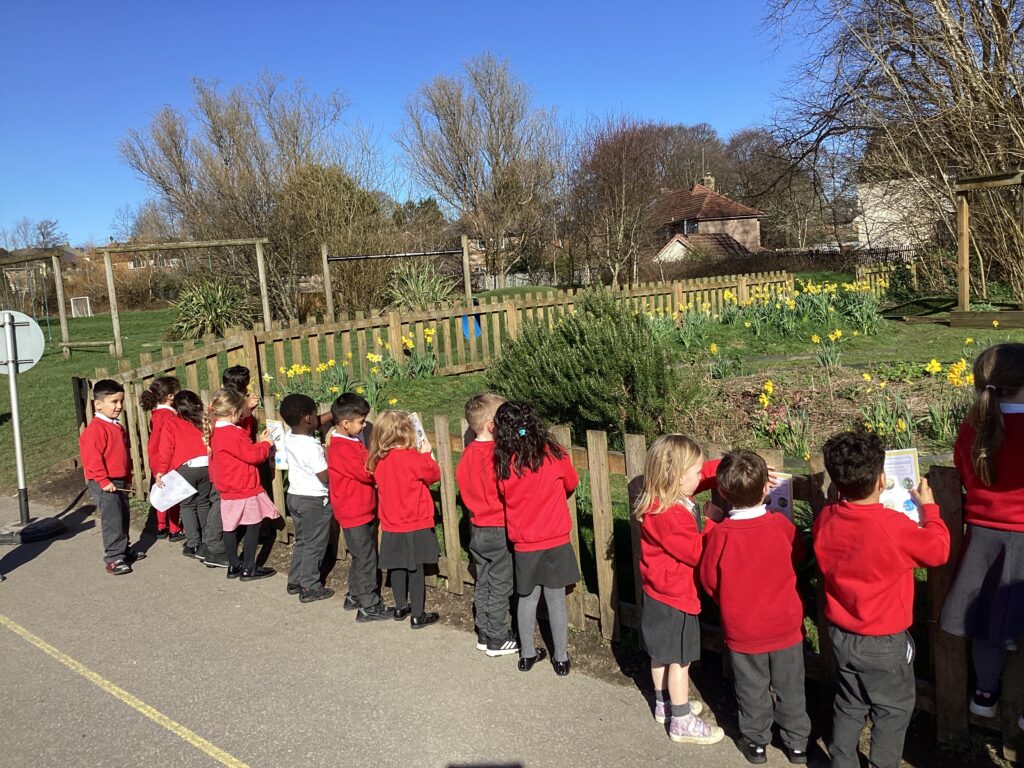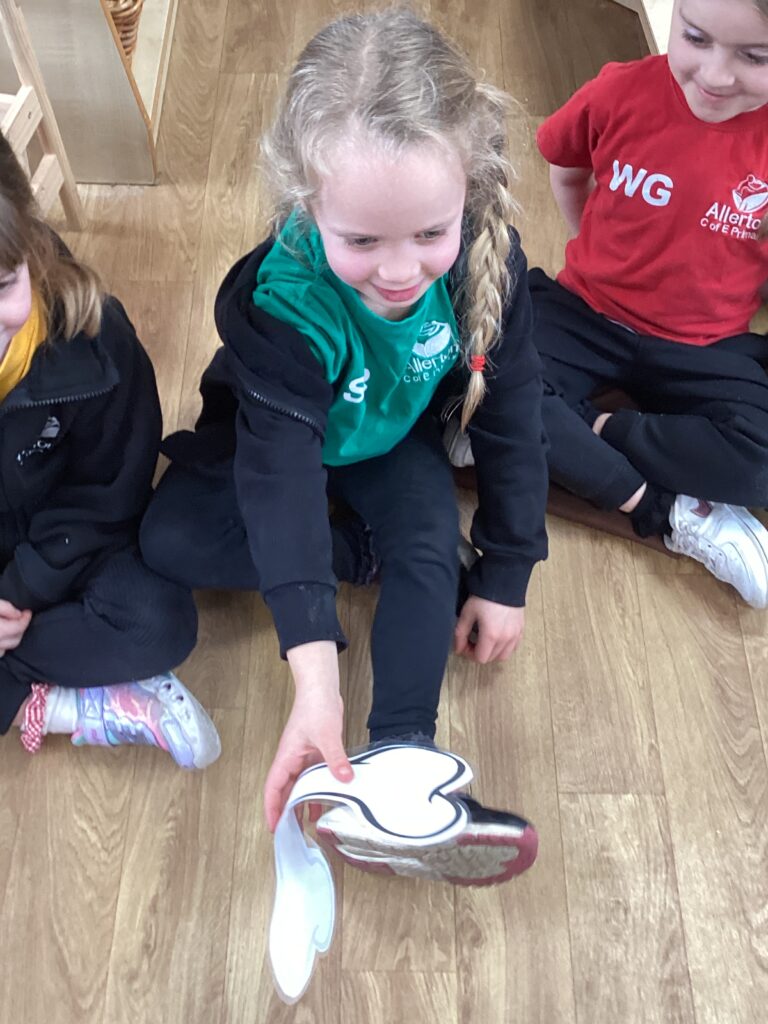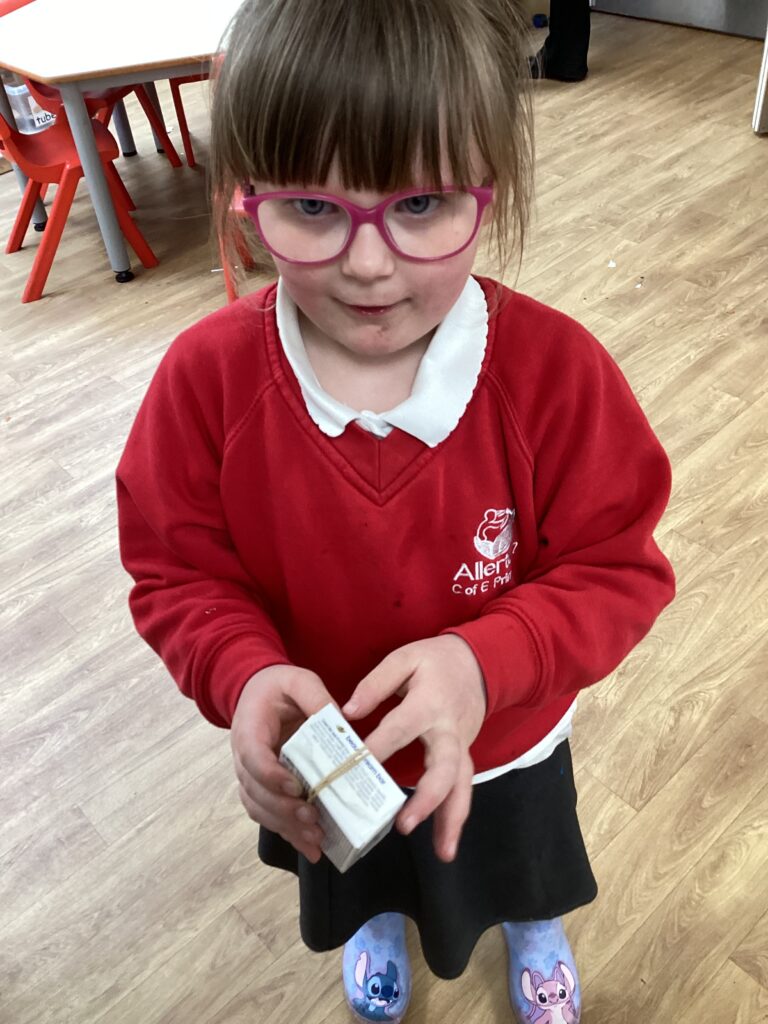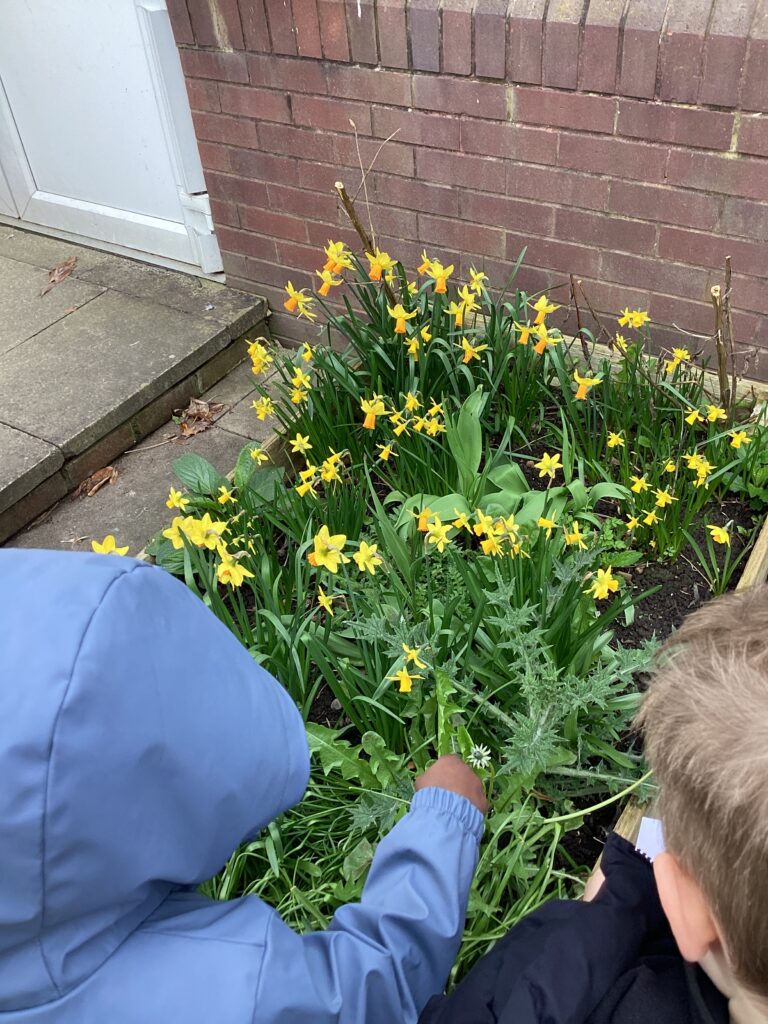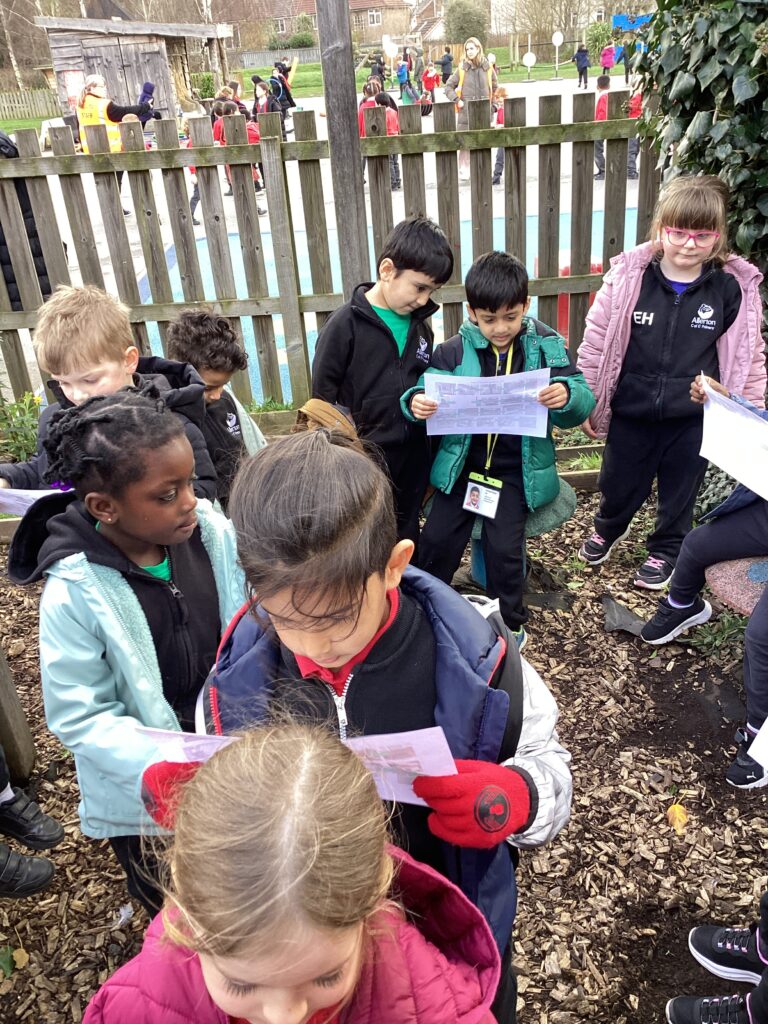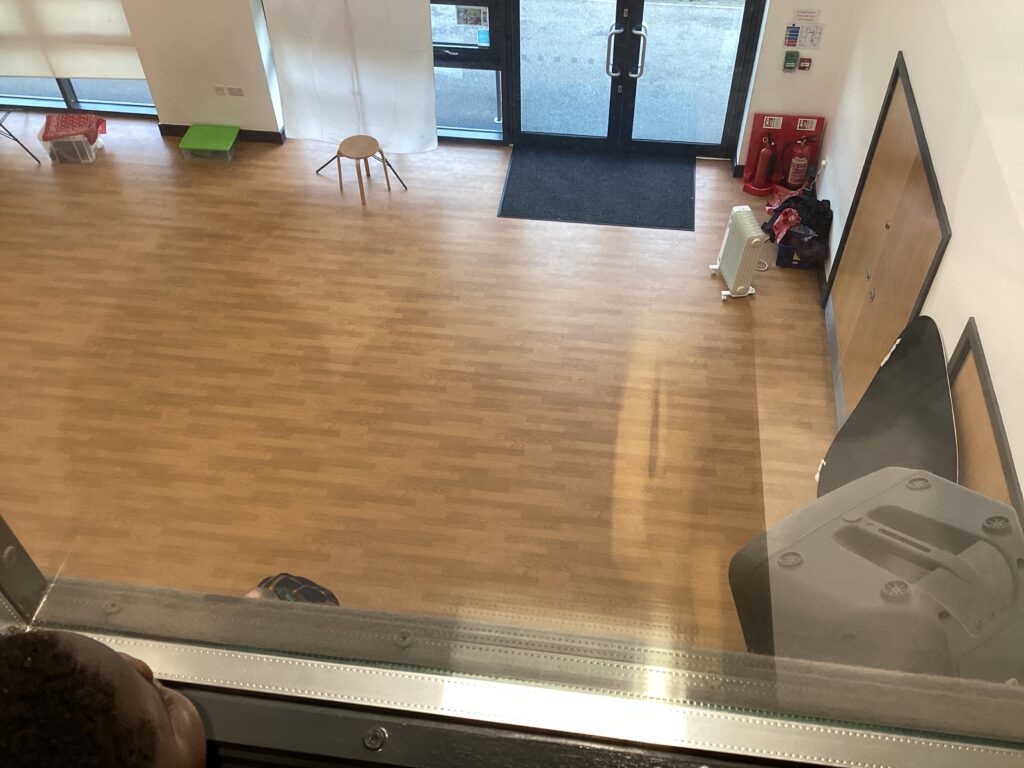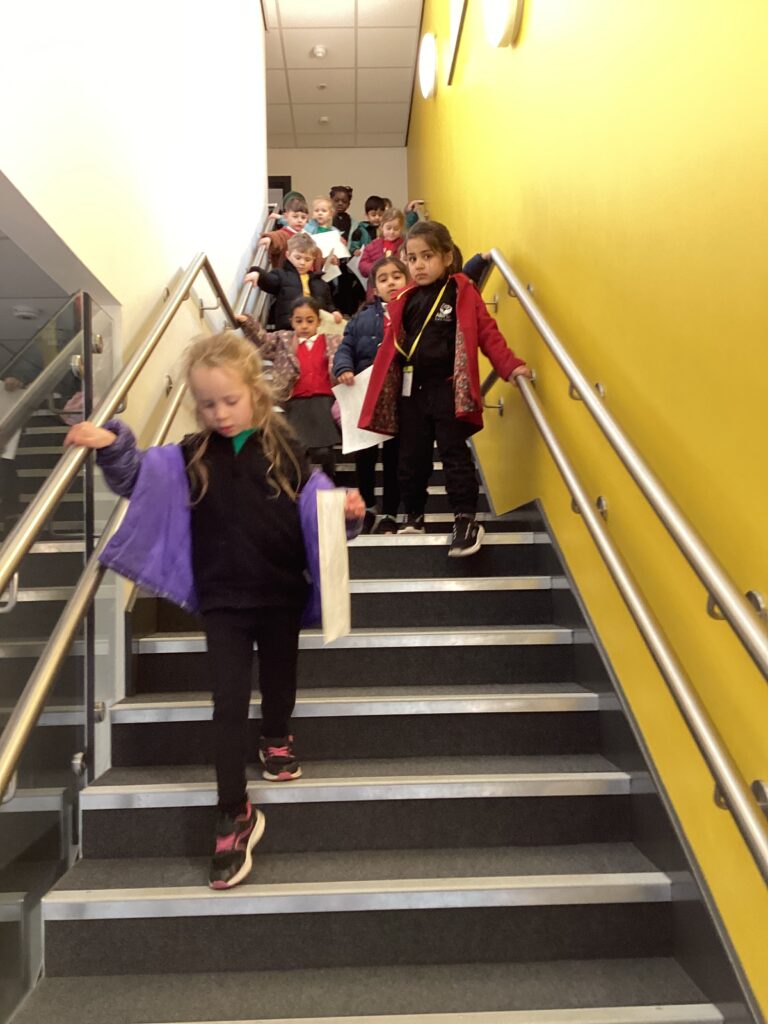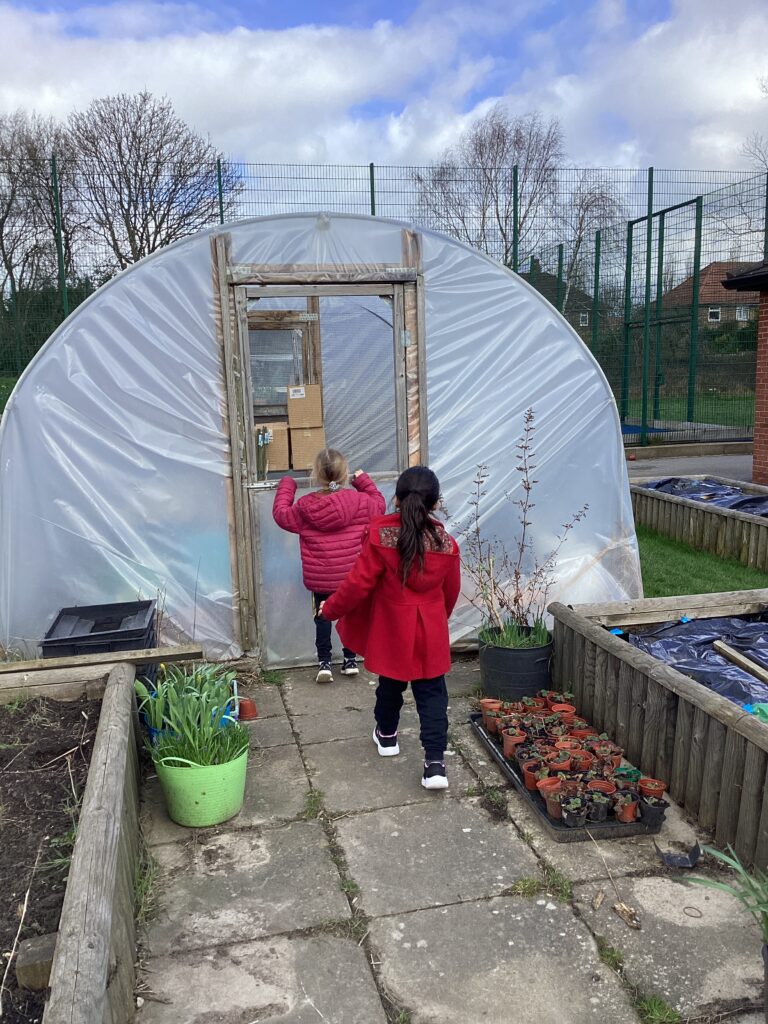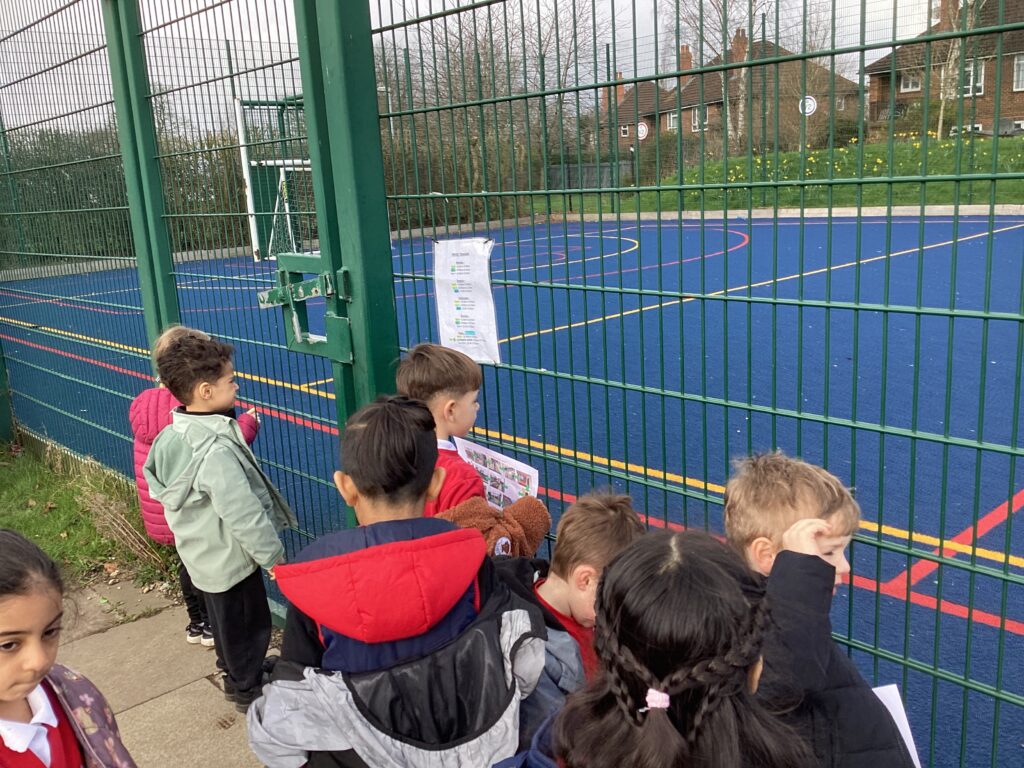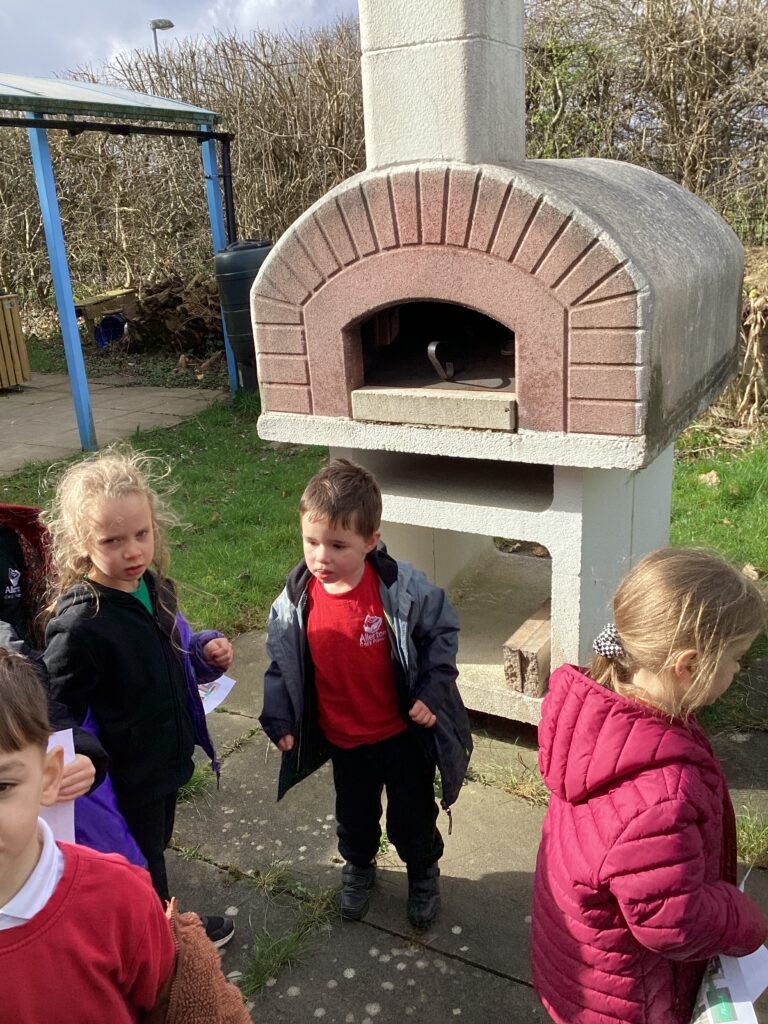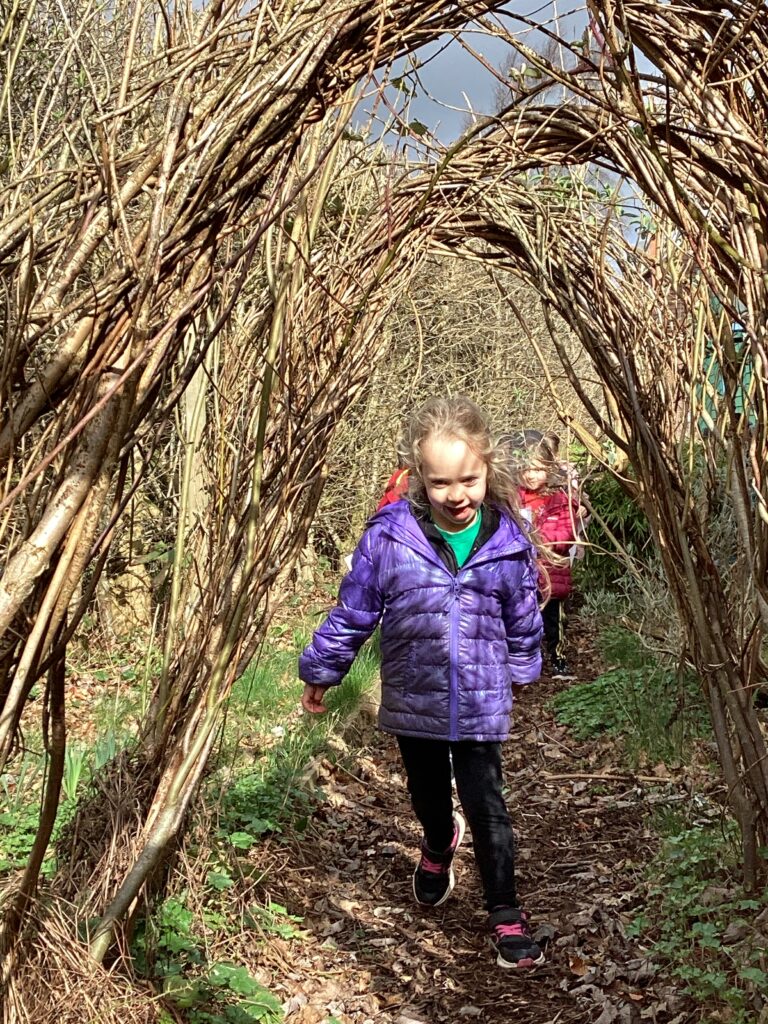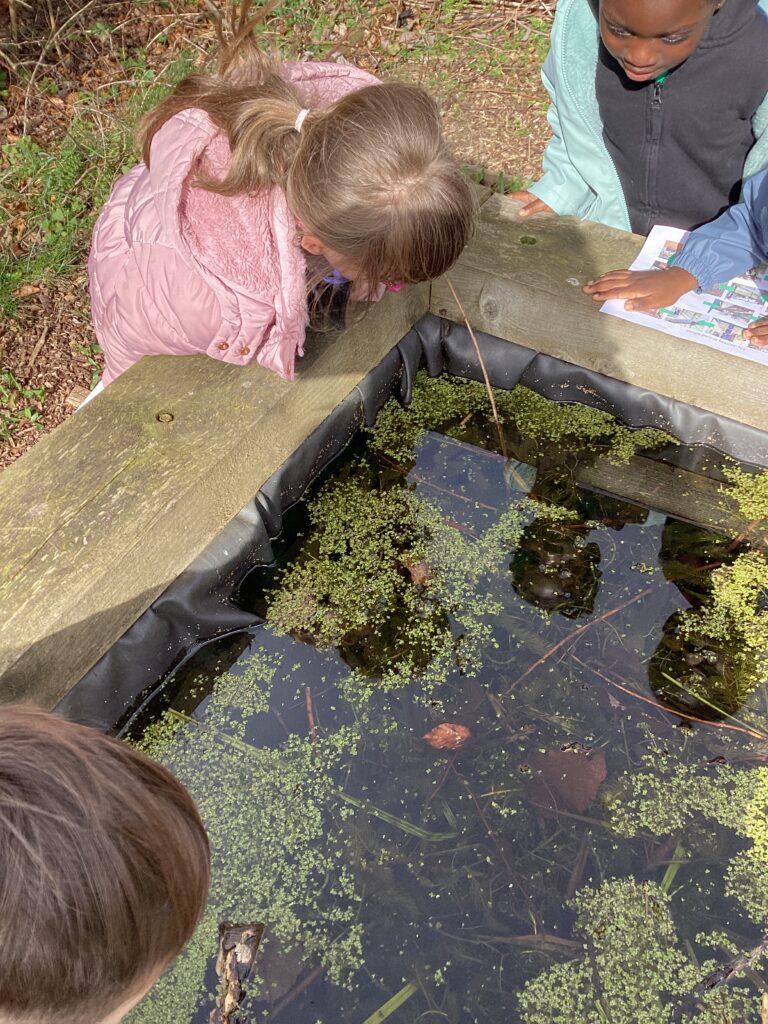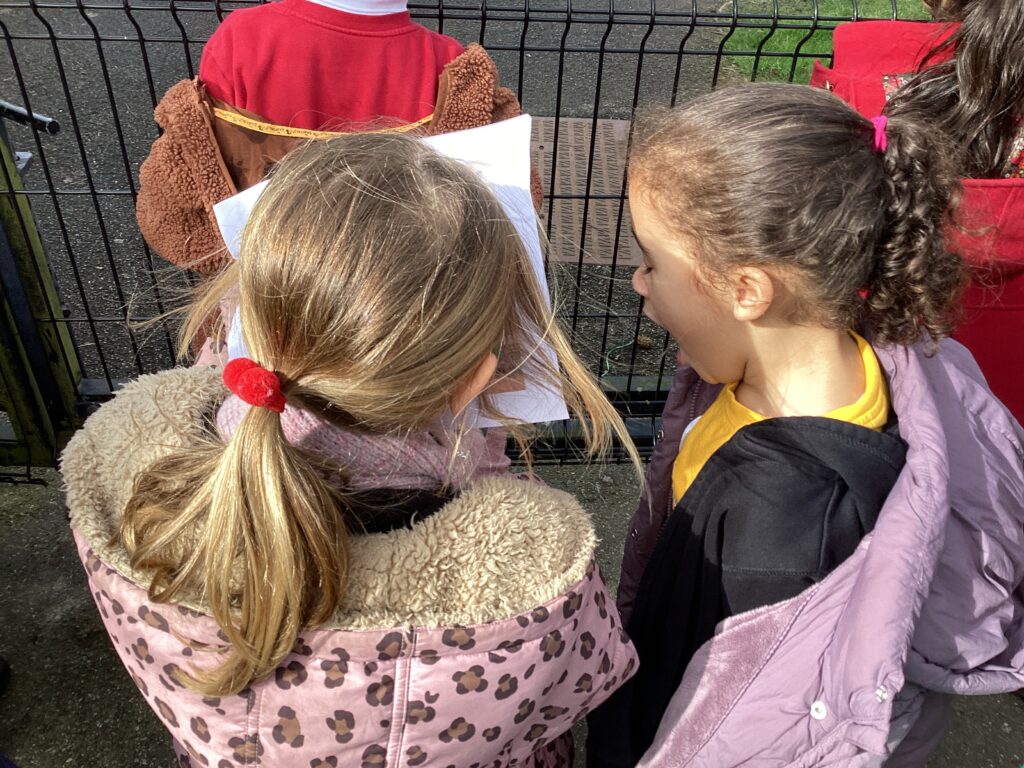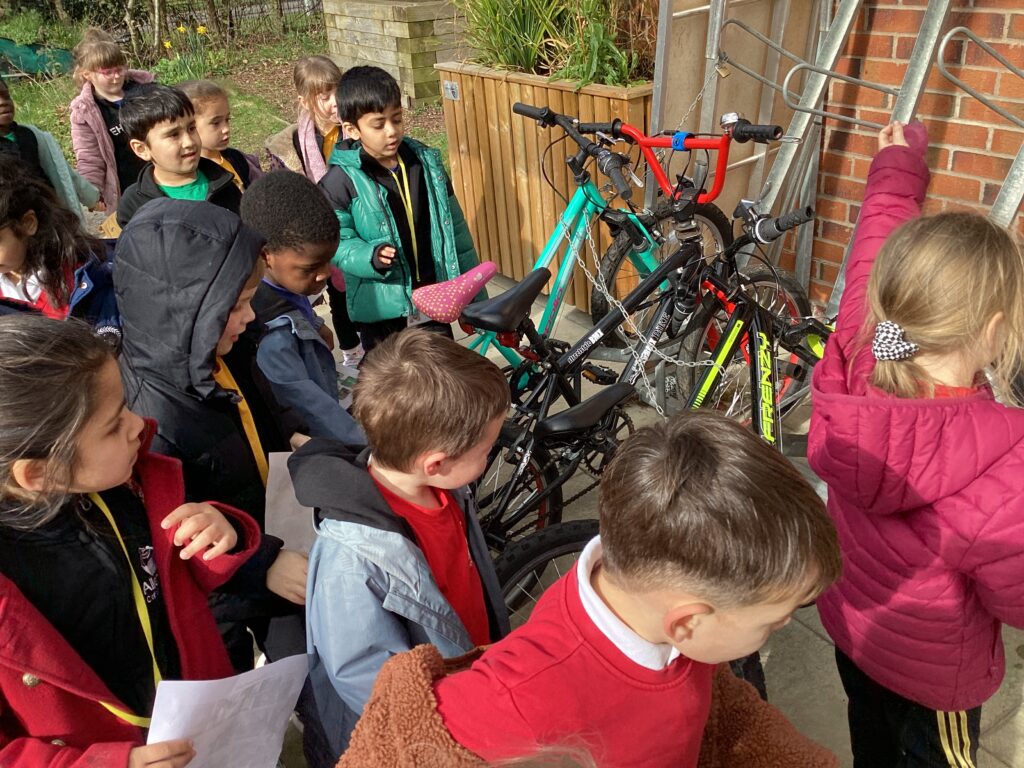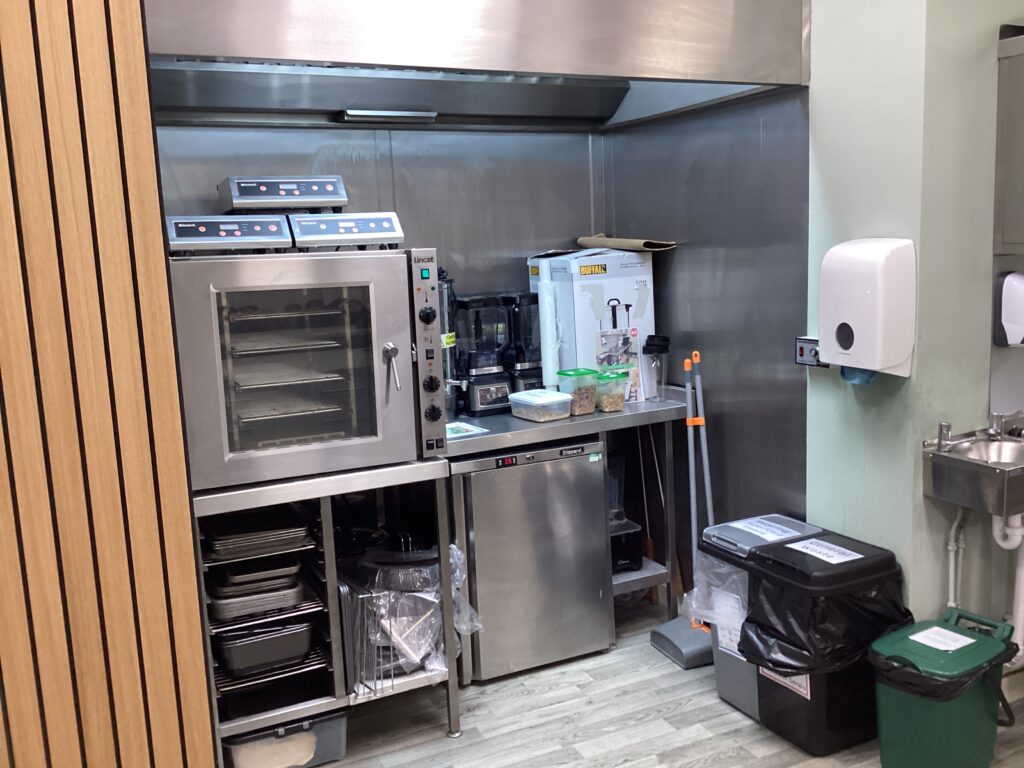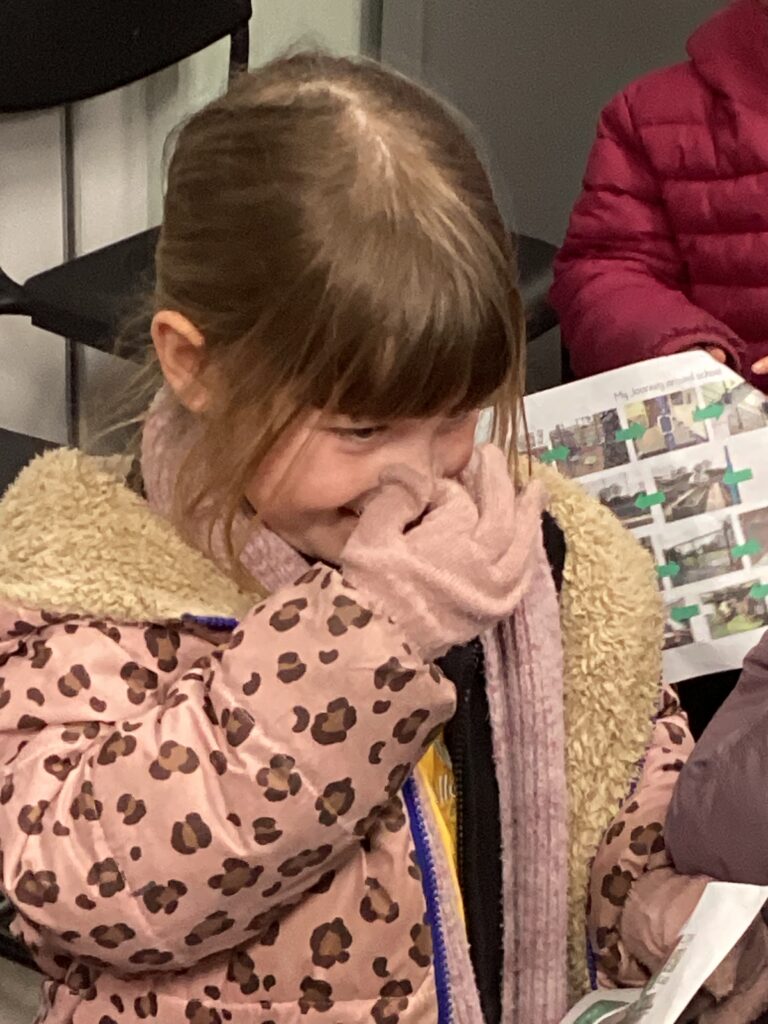
A map is a special picture that shows us where things are. It’s like a treasure map, but instead of treasure, it shows places – like our home, the park, or the shops. It helps us know where we are going so we don’t get lost. The little lines and shapes tell us how to get from one place to another.
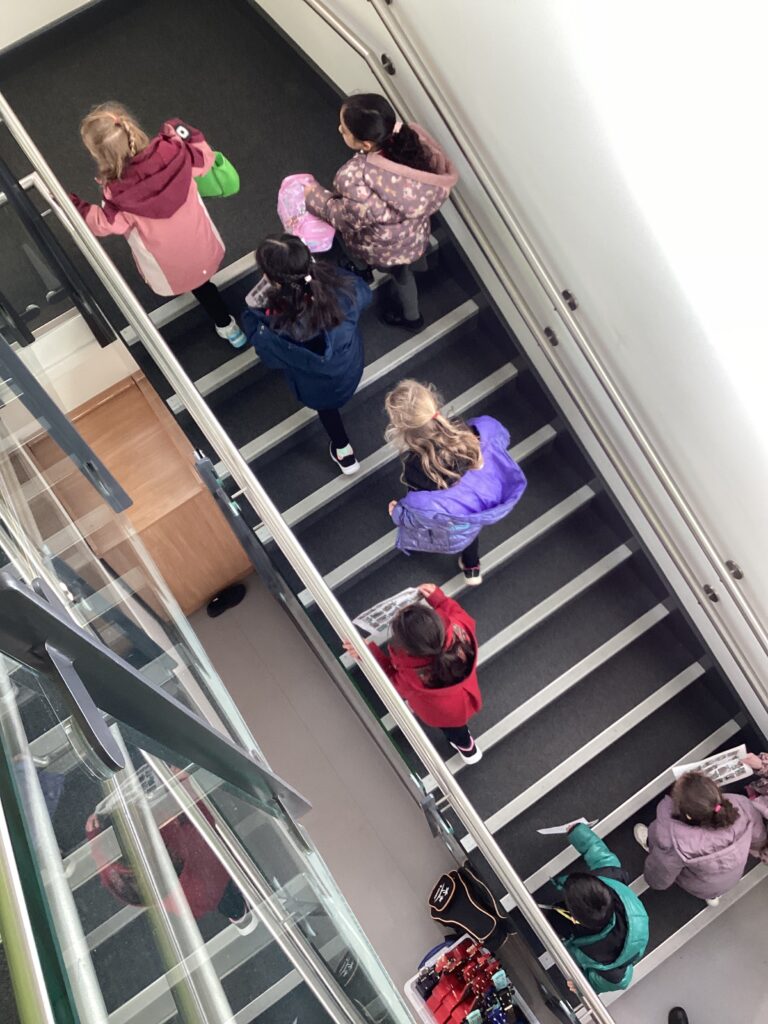
On Wednesday, we followed a picture map around school. Can the children recall what they noticed on our journey and where we ended up?
Happy Mother’s Day
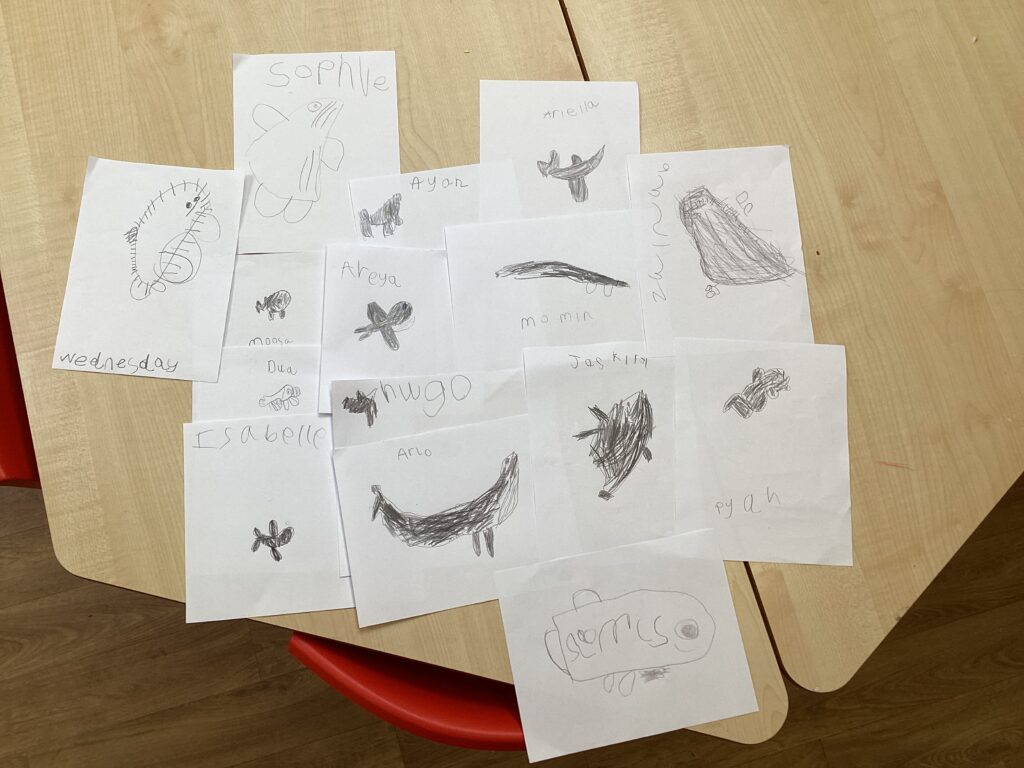
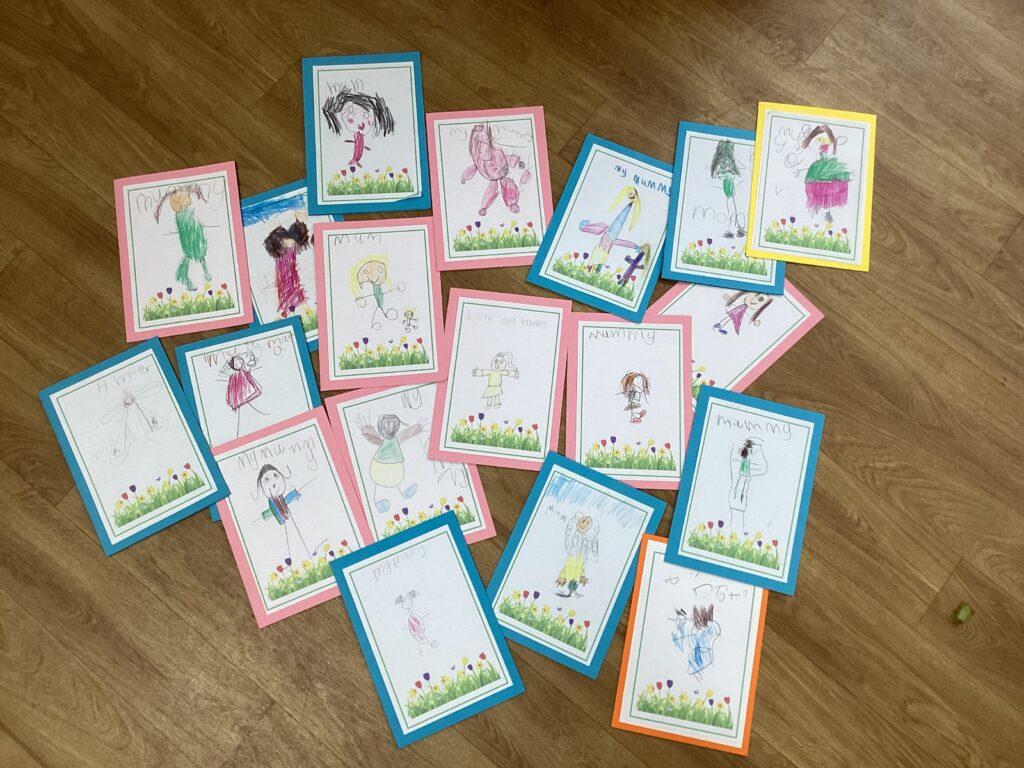
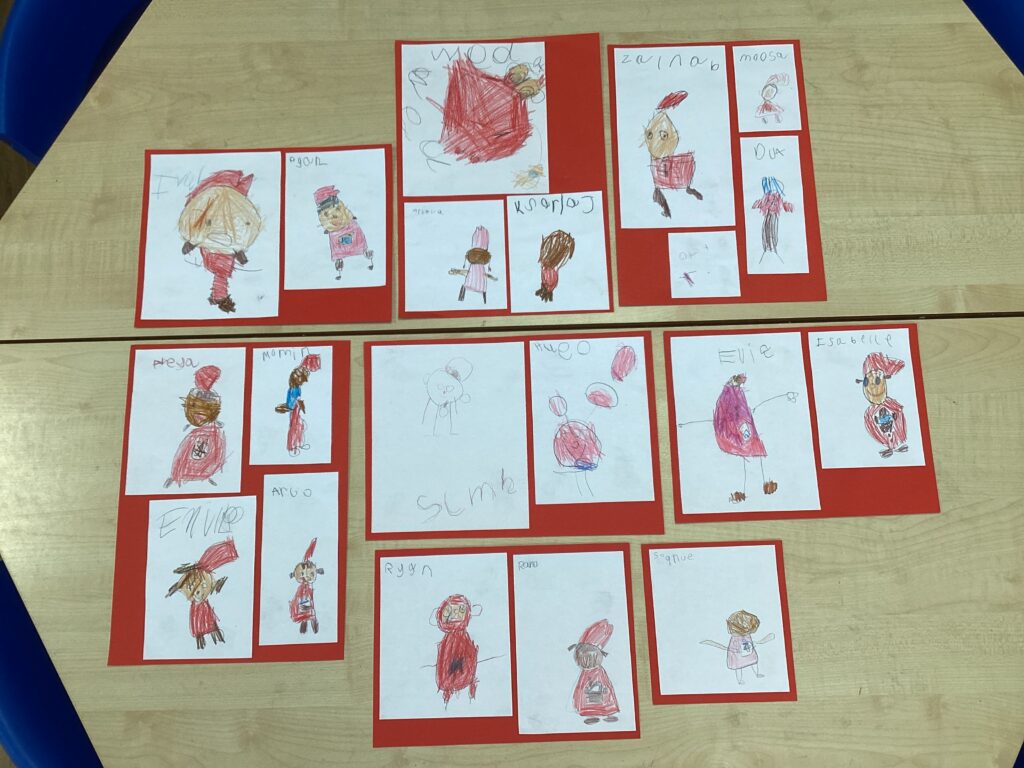
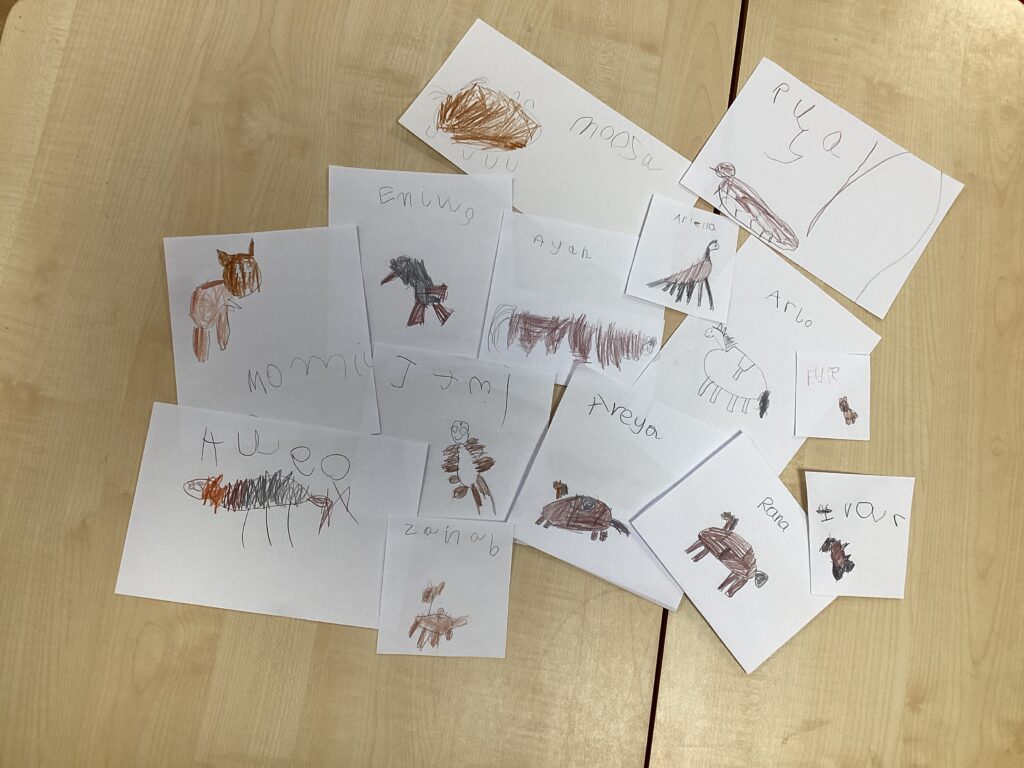
We are thankful to our mums and to everyone else who helps us at home. Can any of you mums spot yourself amongst the portraits that the children drew this week?
This week, we have been learning about churches. We discovered that a church is a place where Christians come to worship. Christians are people who believe in the religion, Christianity. There are lots of different types of churches all over the world: some new and some old.
Christian worship involves praising and thanking God. There are lots of ways Christians worship God: through music, songs or hymns; reading from The Bible; saying prayers; listening to sermons. Church services can be different depending on the church and the type of service.
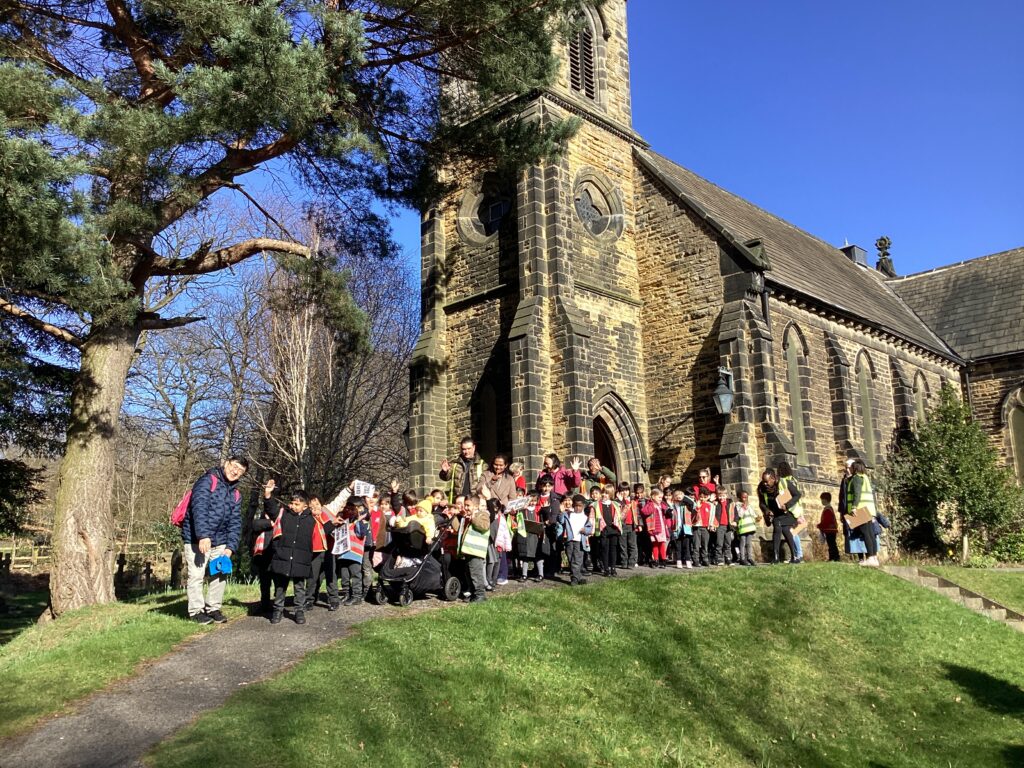
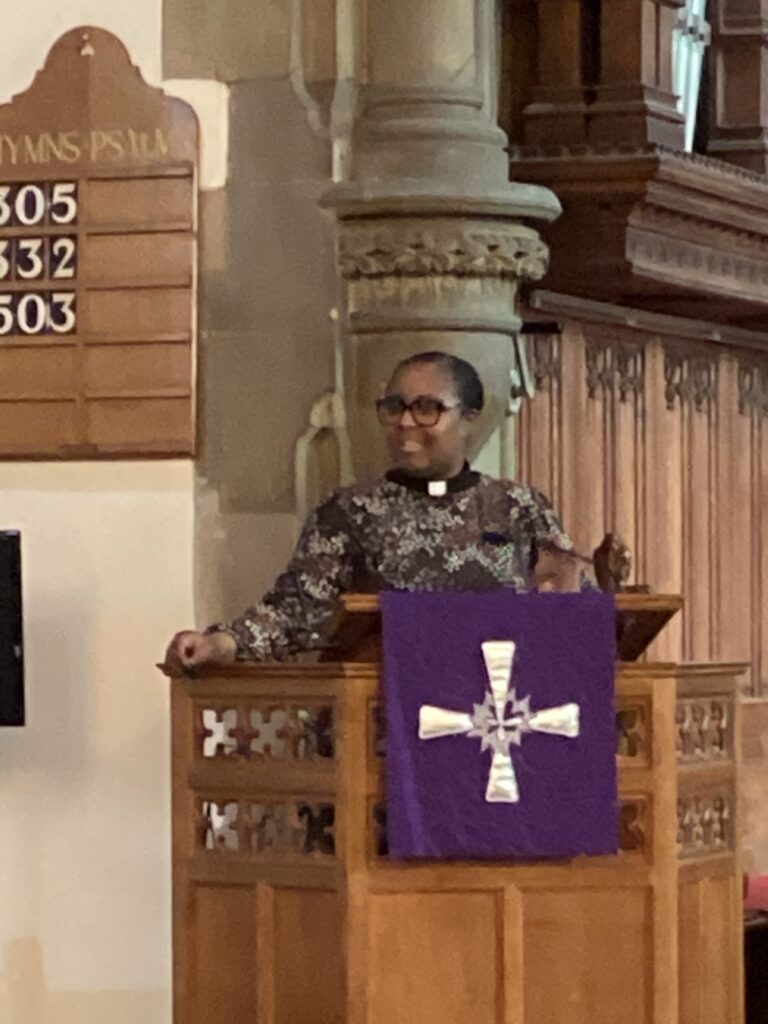
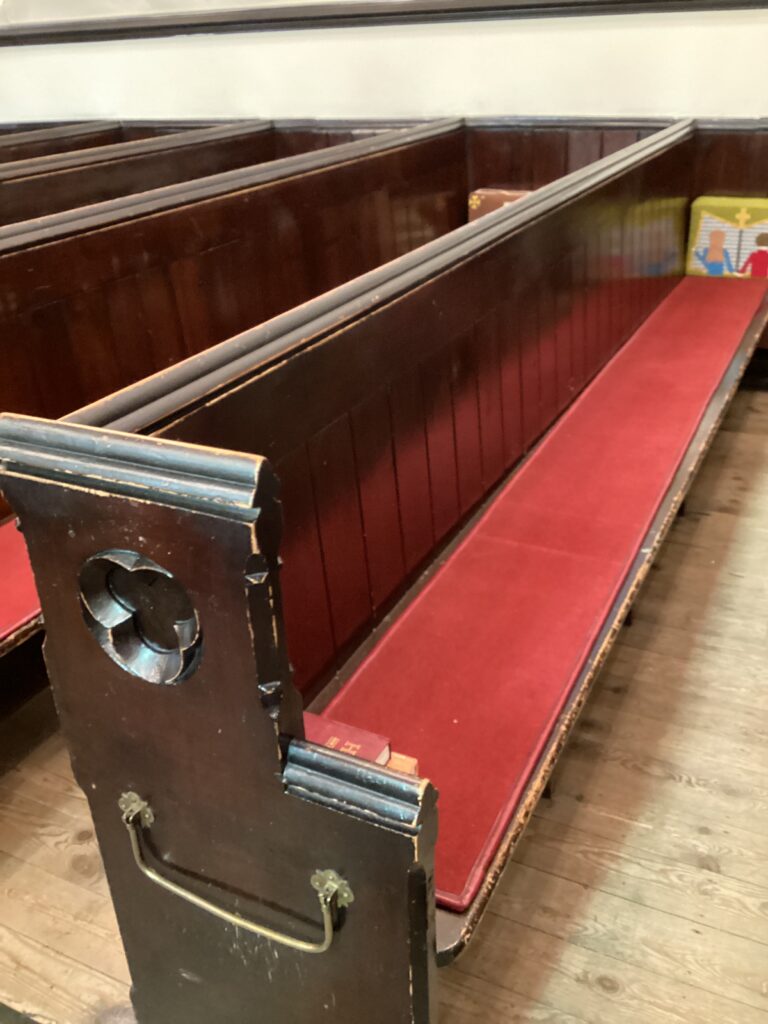
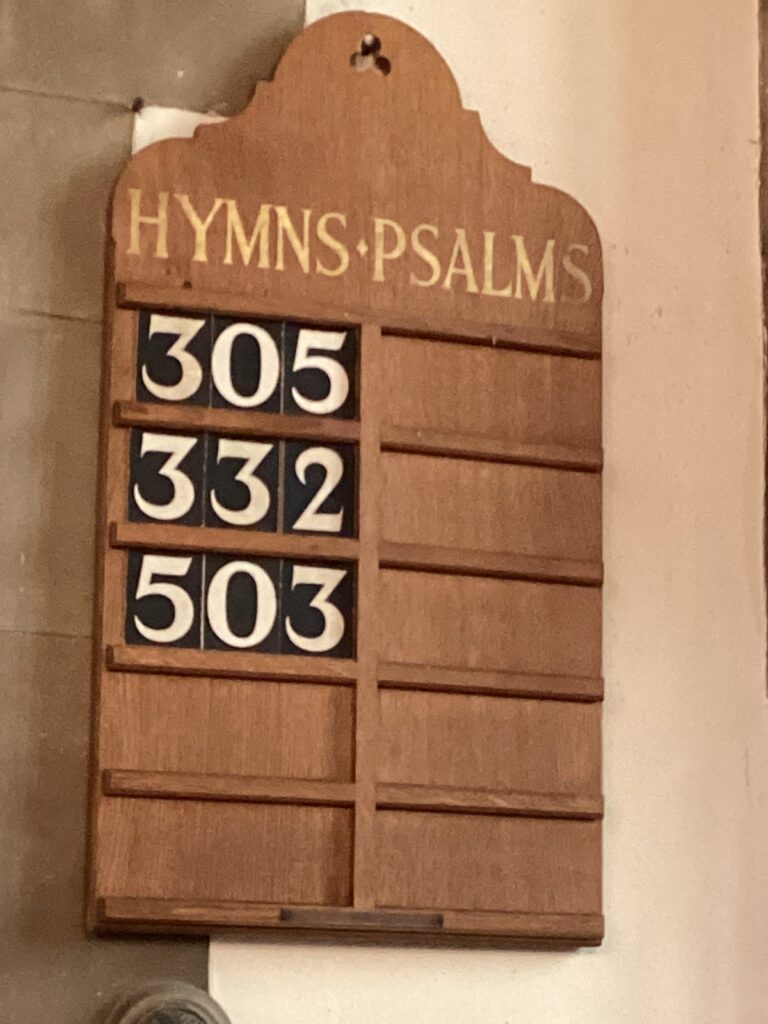
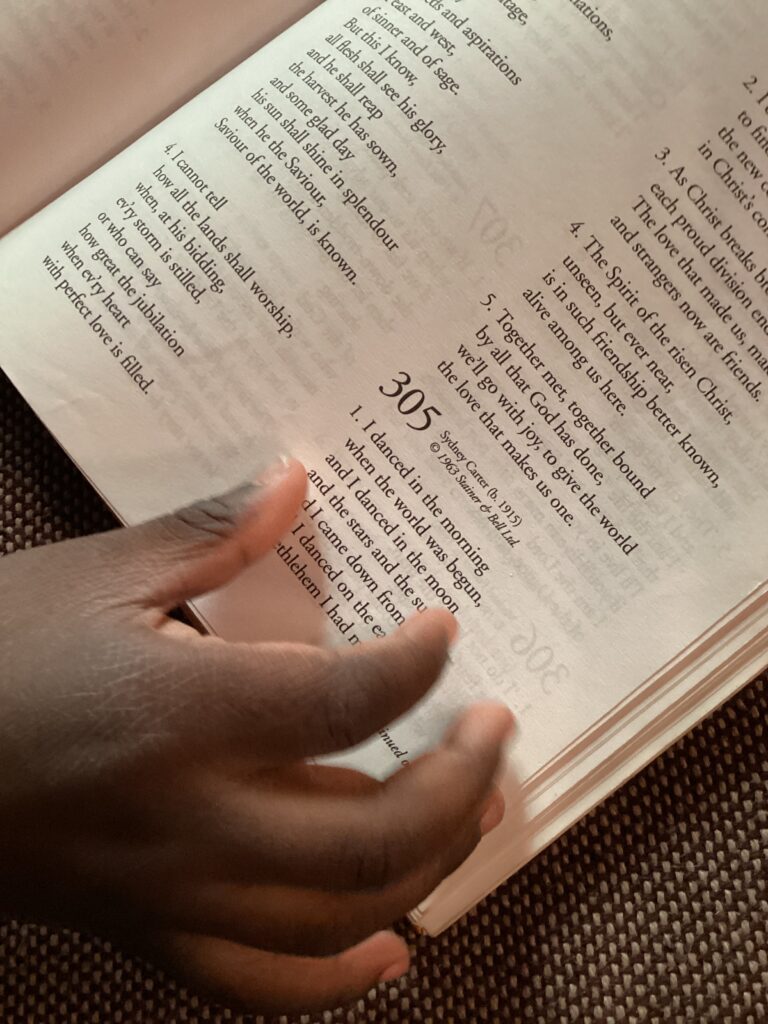
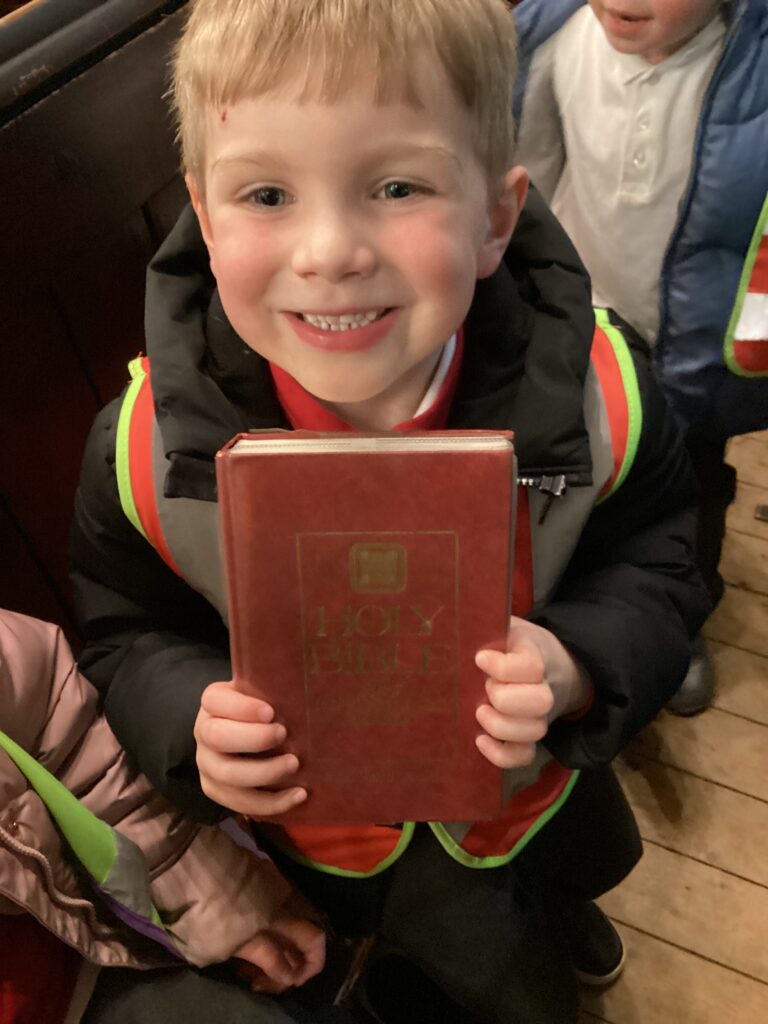
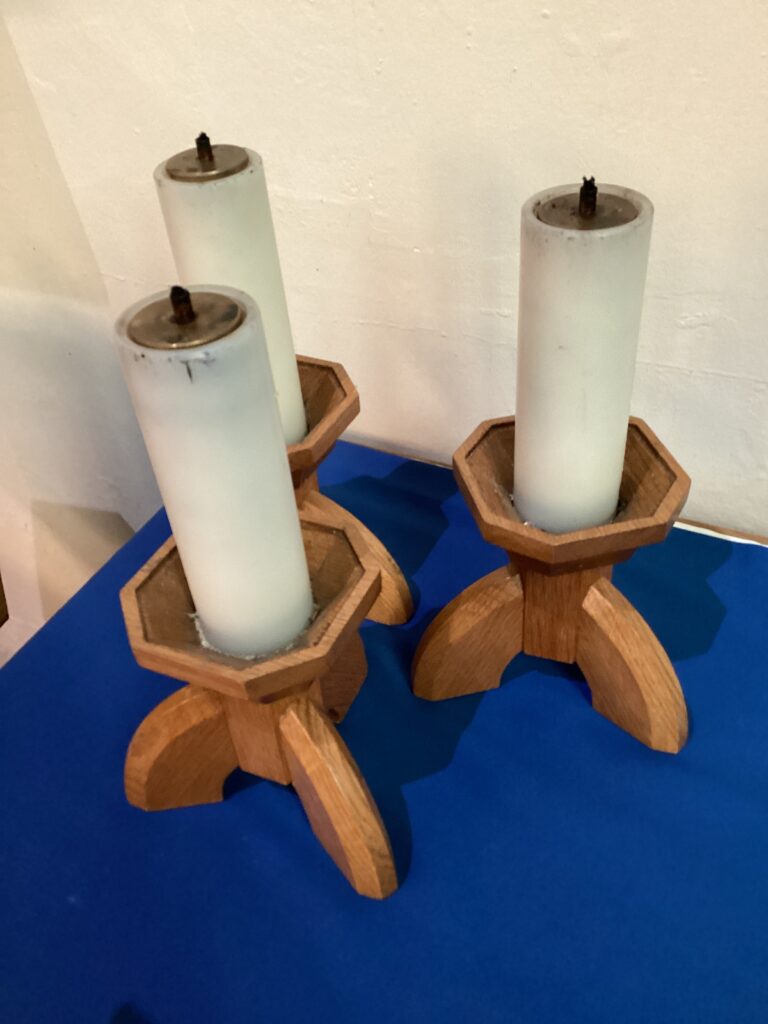
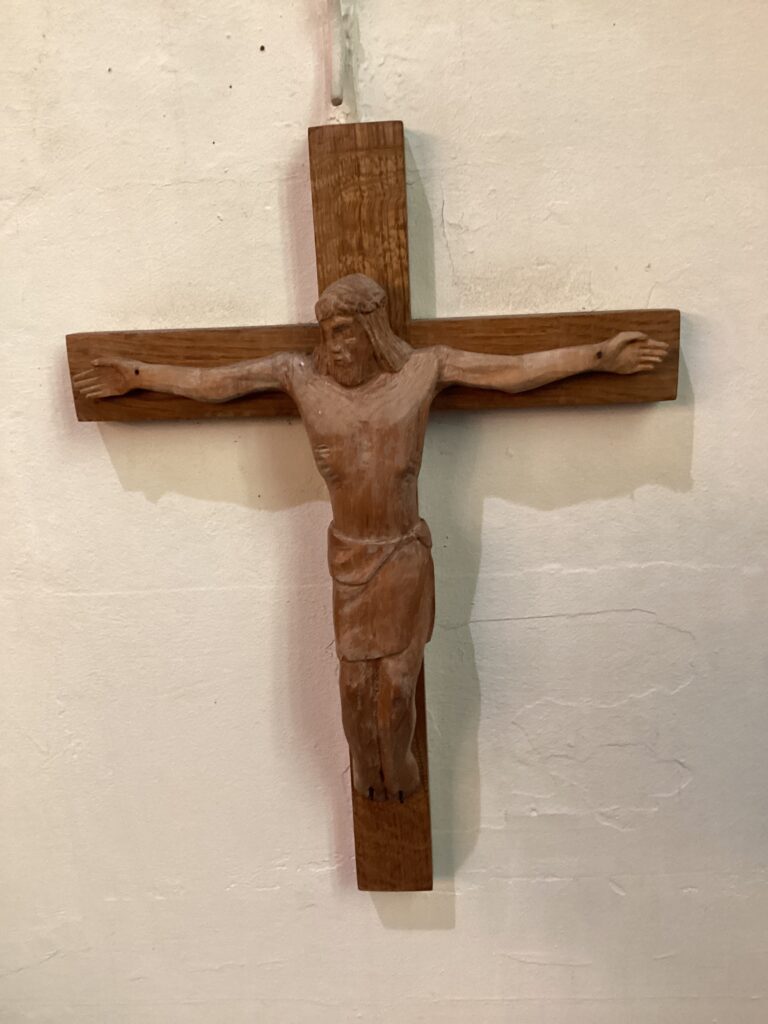
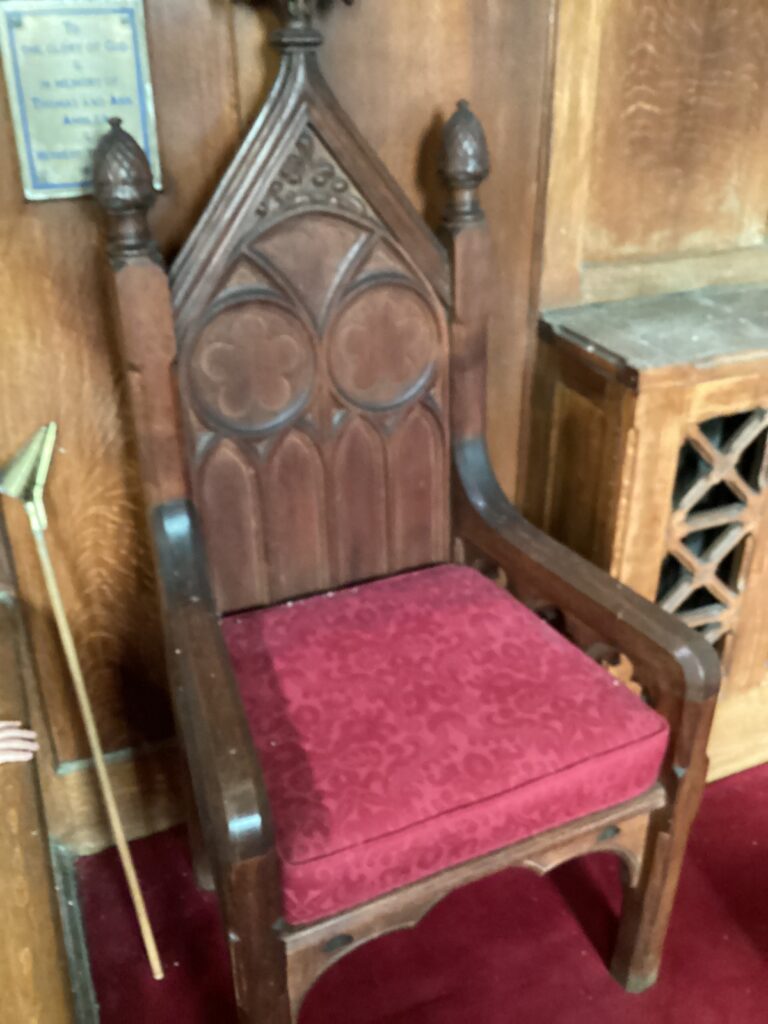
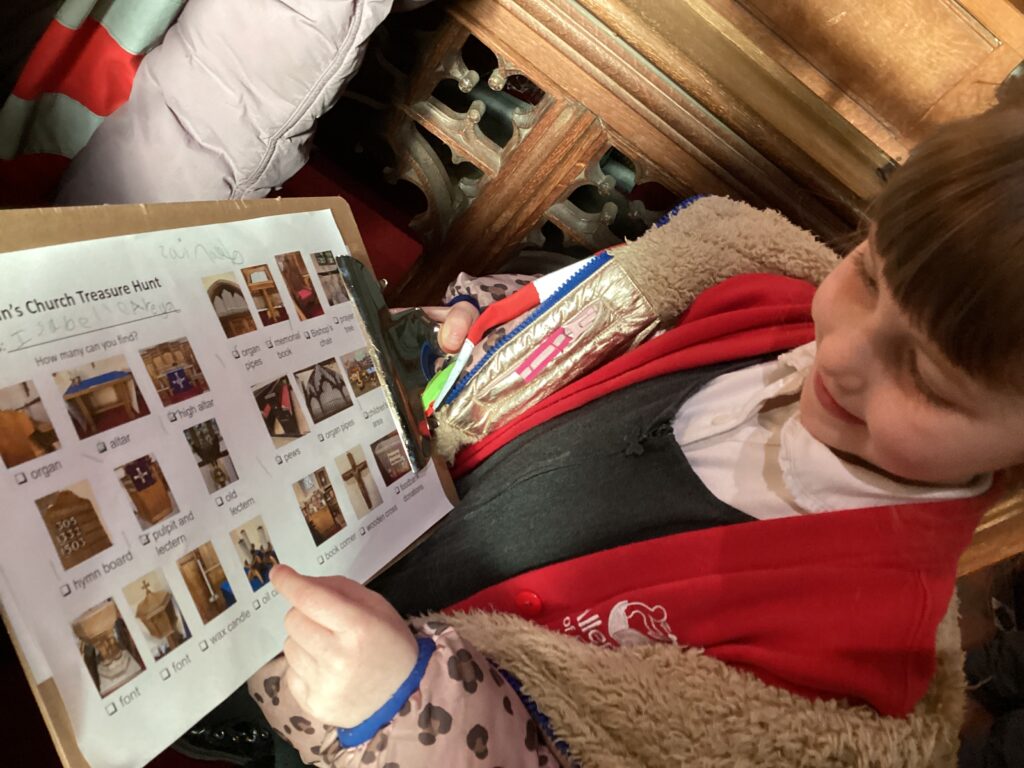
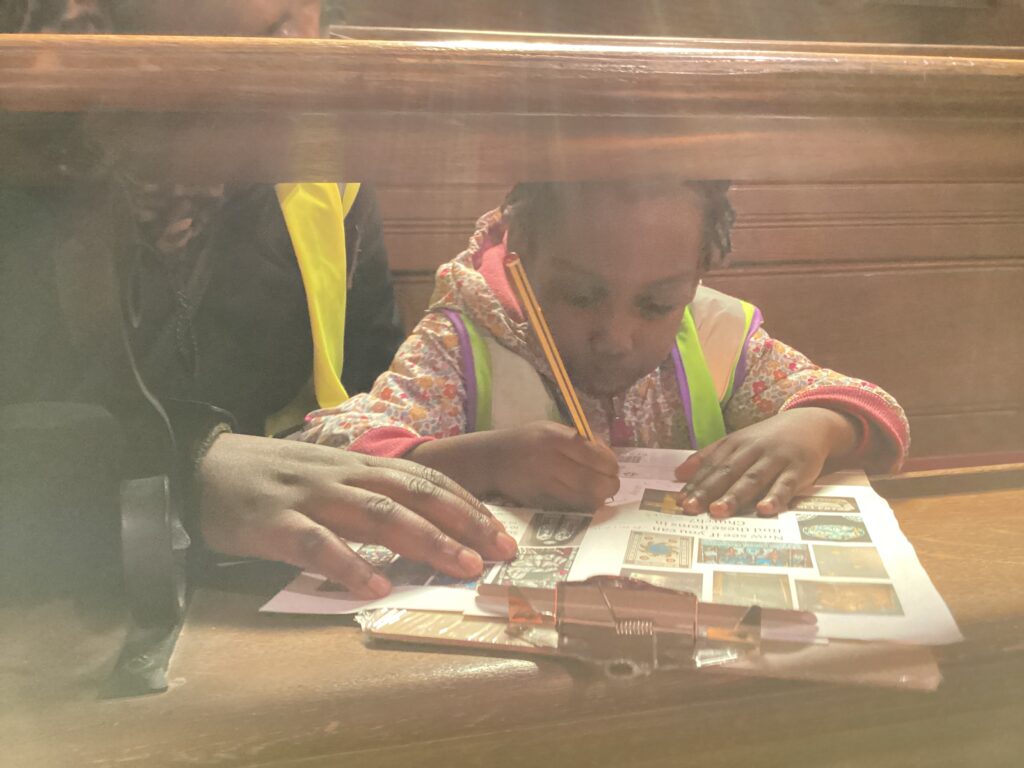
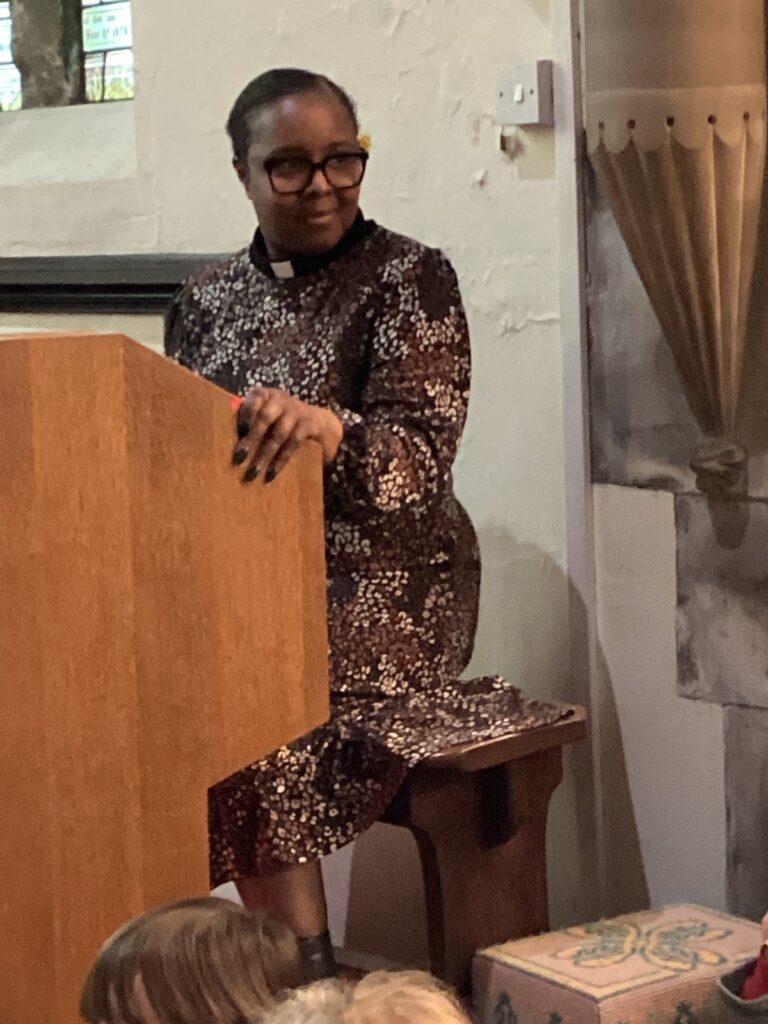
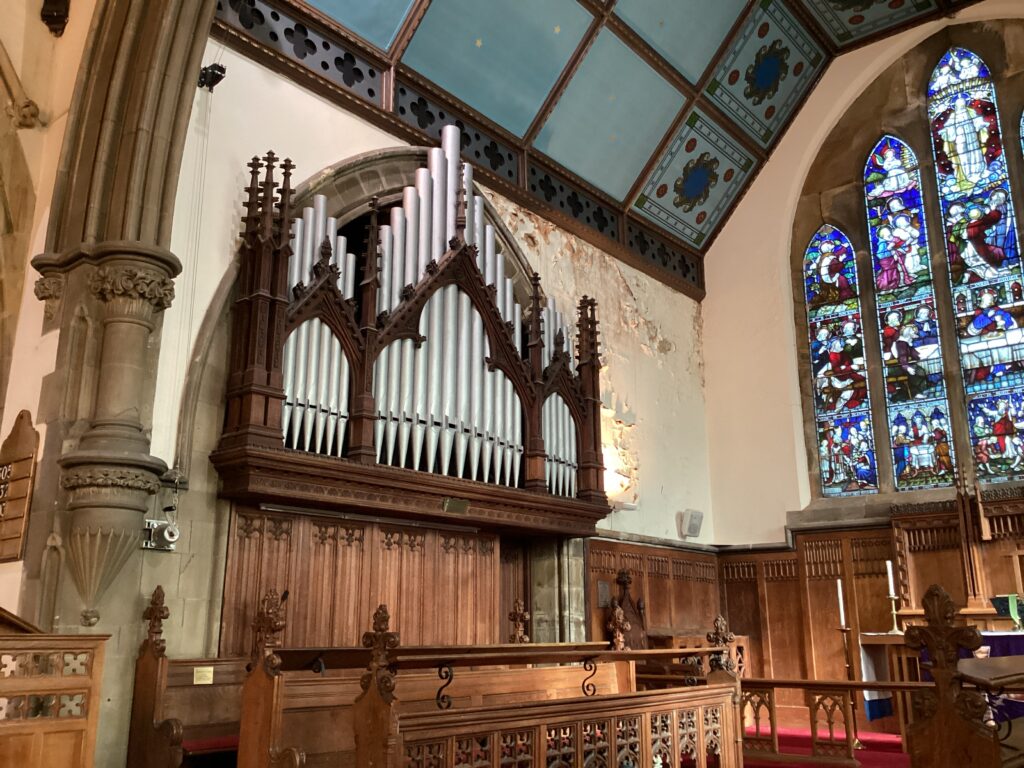
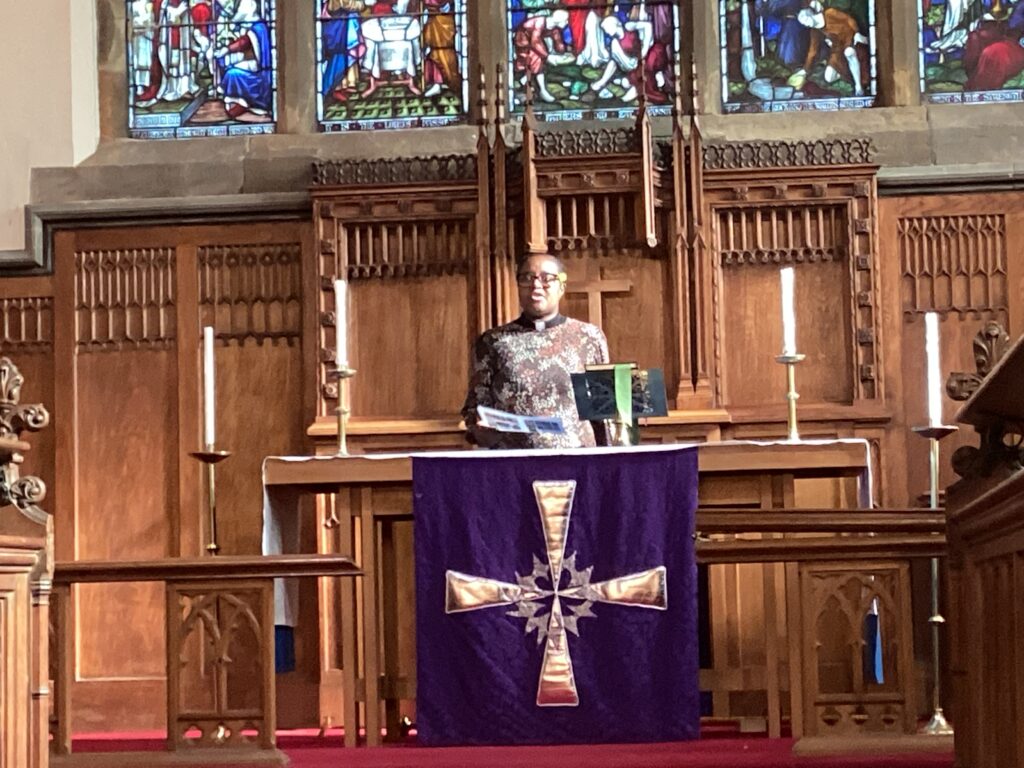
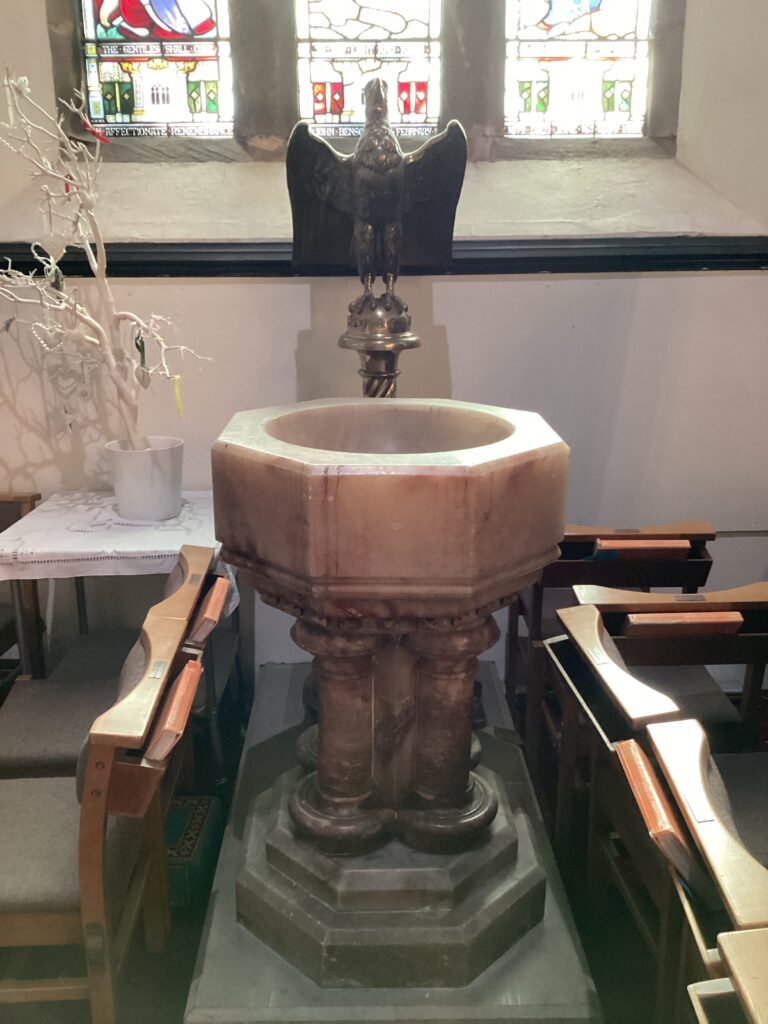
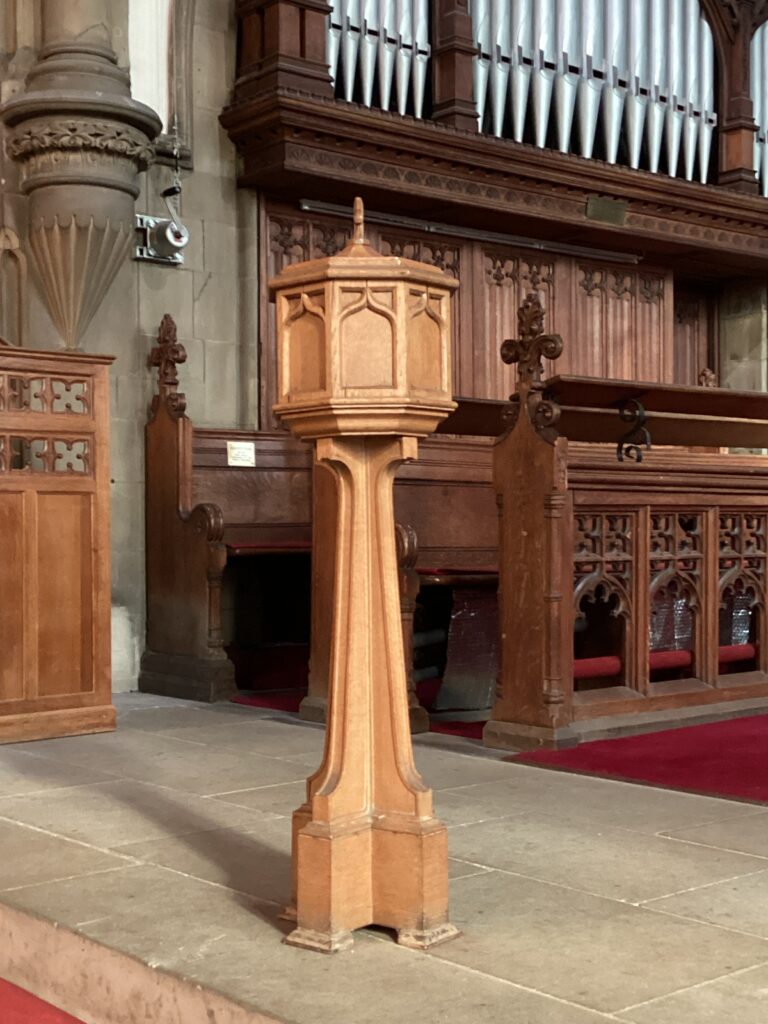
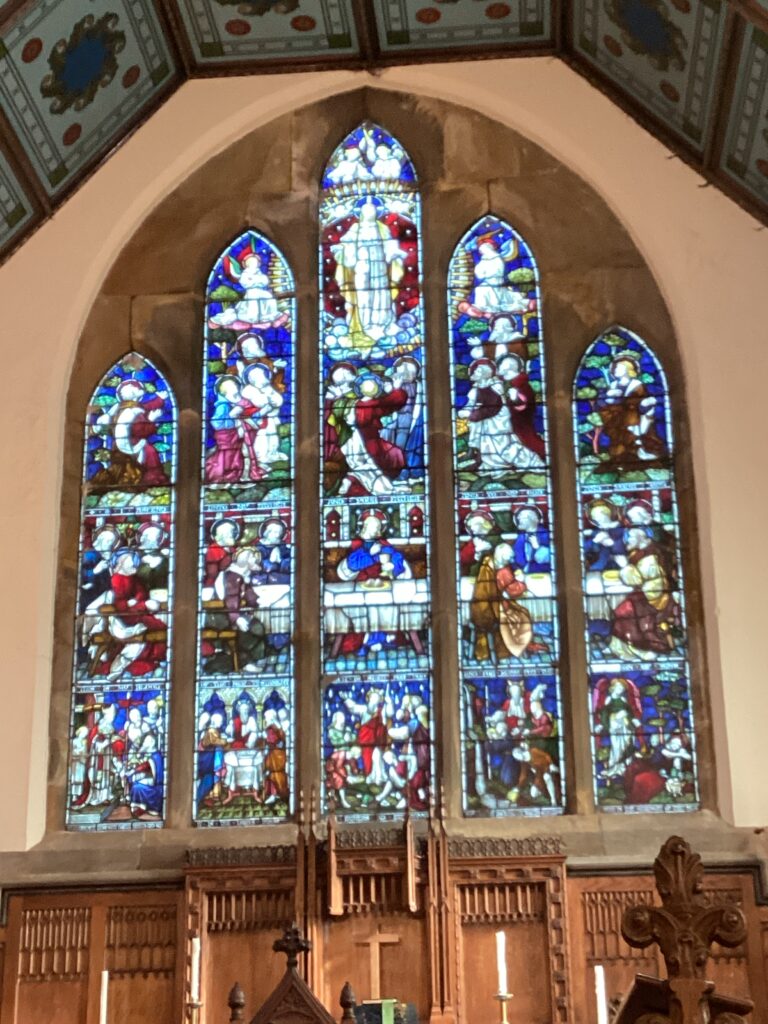
We visited St. John’s Church, where Rev. Sharon encouraged us to go on a hunt for lots of objects. Can the children recall what they discovered by looking at these photos? Who sits in the pews? Who does the chair belong to? What are the numbers for? Where does the water in the font come from? Why are there pictures in stained glass windows?
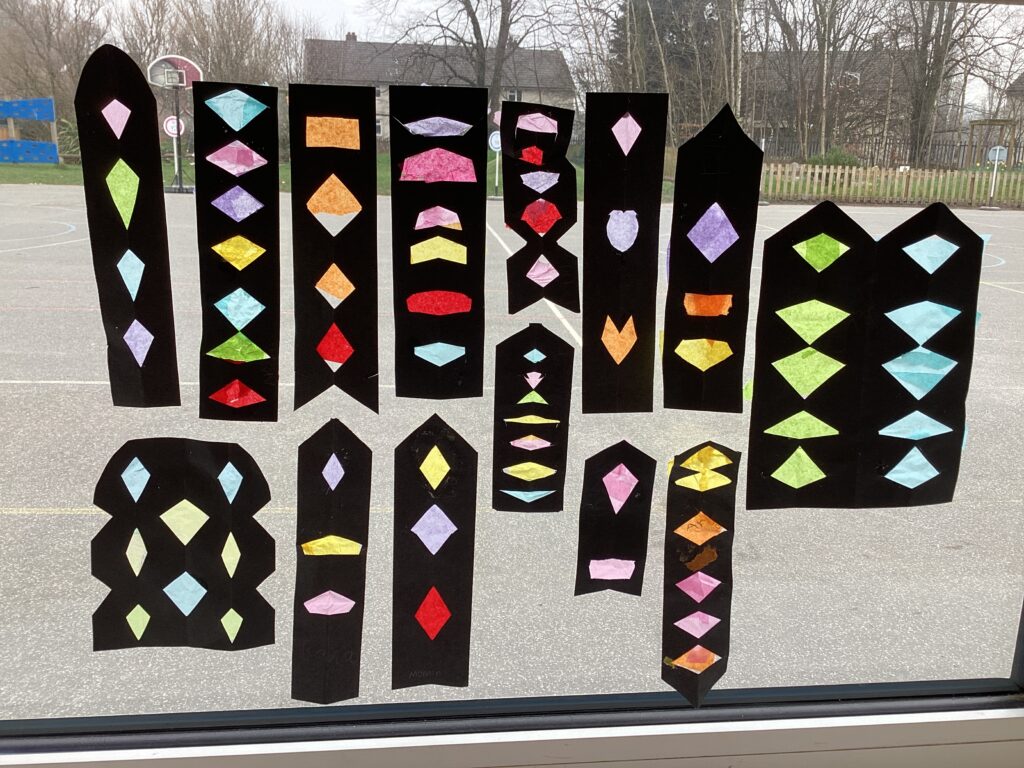
Look at our own stained glass windows, which required us to cut carefully and tear tissue paper into correctly-sized pieces.
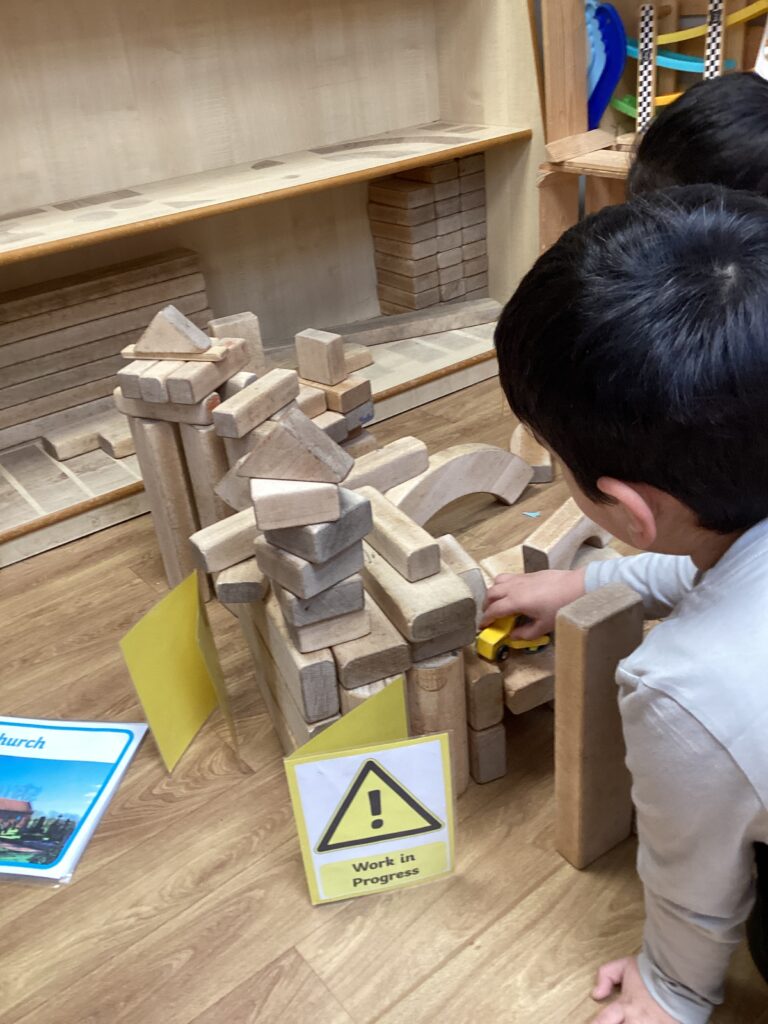
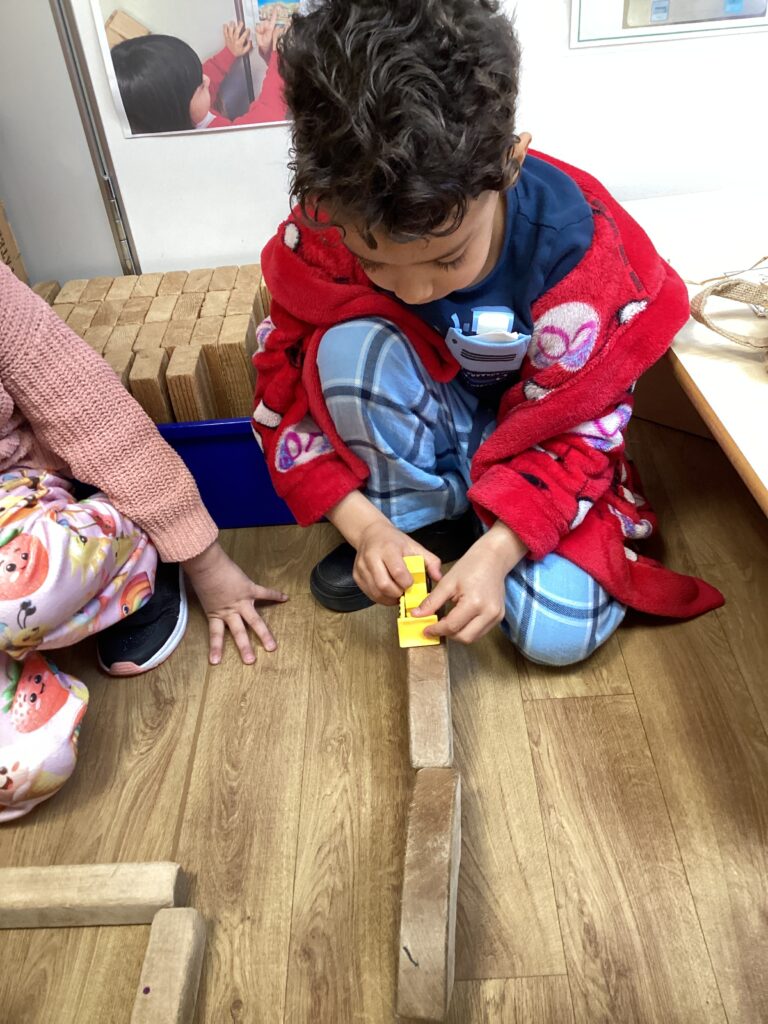
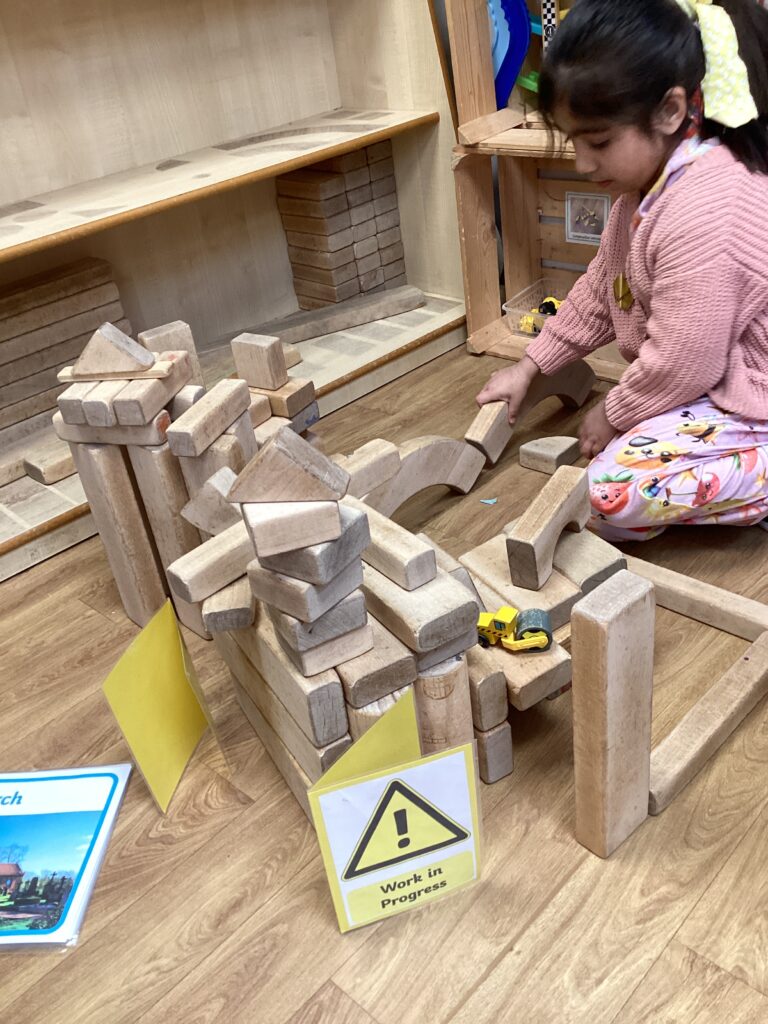
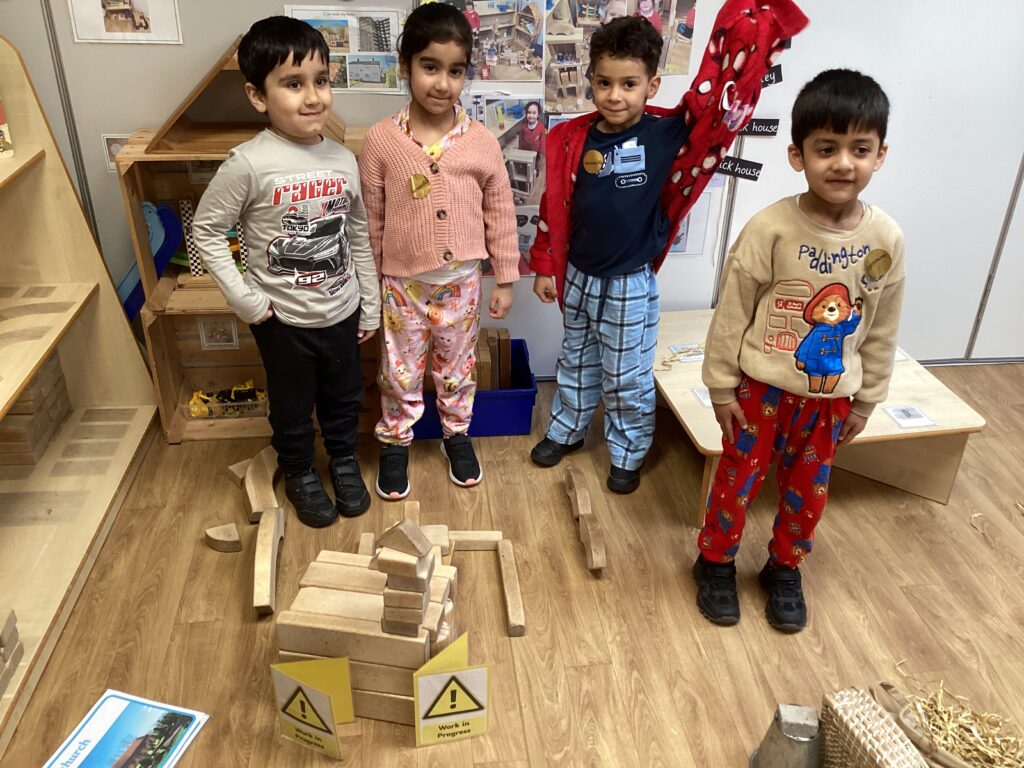
We also built our own model of the church.
Thank you to the parents, who were able to join us for our trip.
Traditional Tales are very old stories, that have been told and retold for many, many years. These stories were spoken long before they were written down and made into books. They are stories that almost everybody knows. Characters often make very good choices or very unwise choices. They often begin with ‘Once upon a time’ and end with ‘They all lived happily ever after’…’The end’.
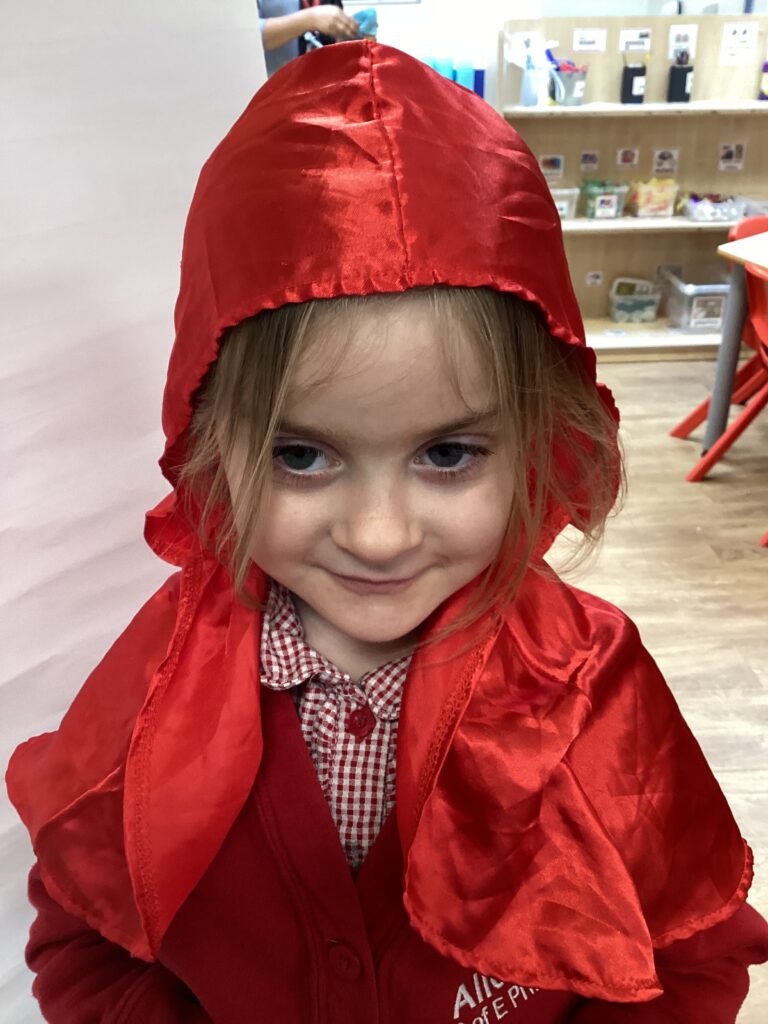
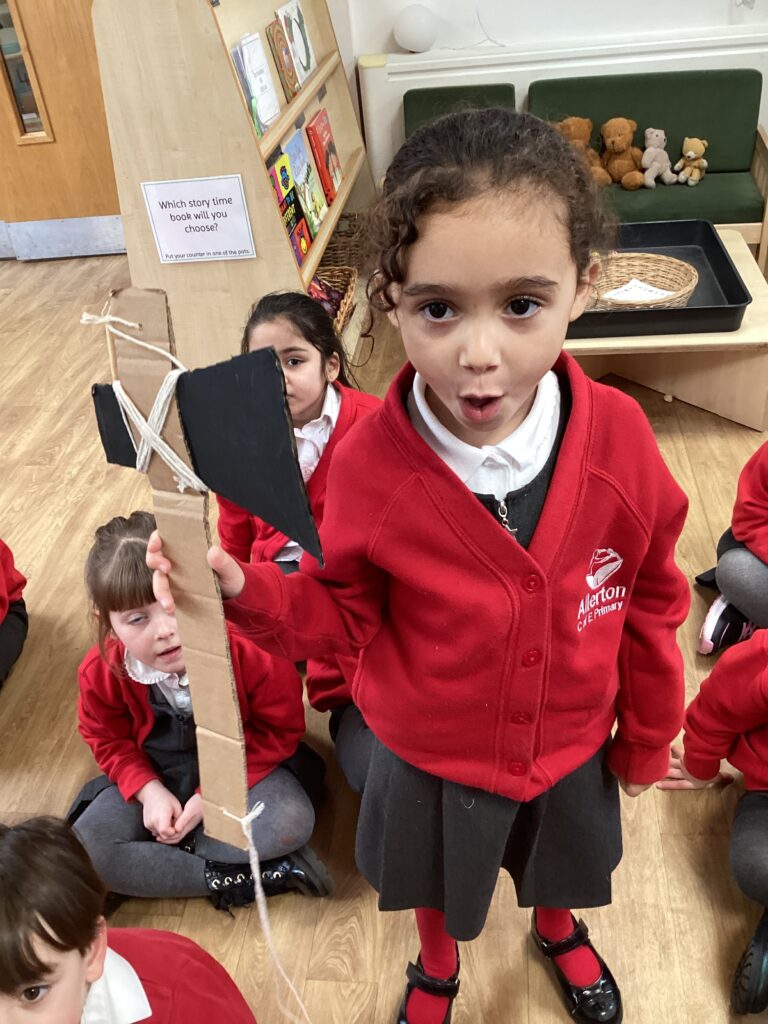
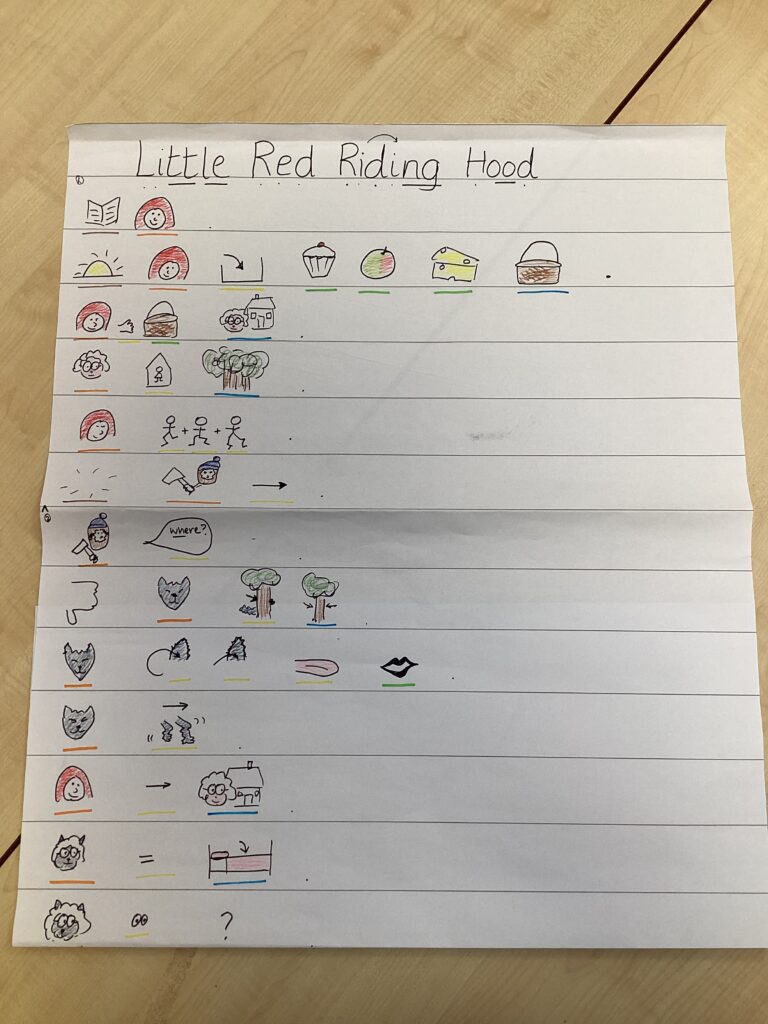
Our Talk for Writing text this half term is the traditional tale: ‘Little Red Riding Hood’. We discovered that, even as a class, we know lots of different versions of the story. Often it rests on just how gory an ending we want for the Big Bad Wolf!
We have started to learn the model text. How much of the story imitation can the children recall by looking at the pictures? Please encourage them to include the actions.
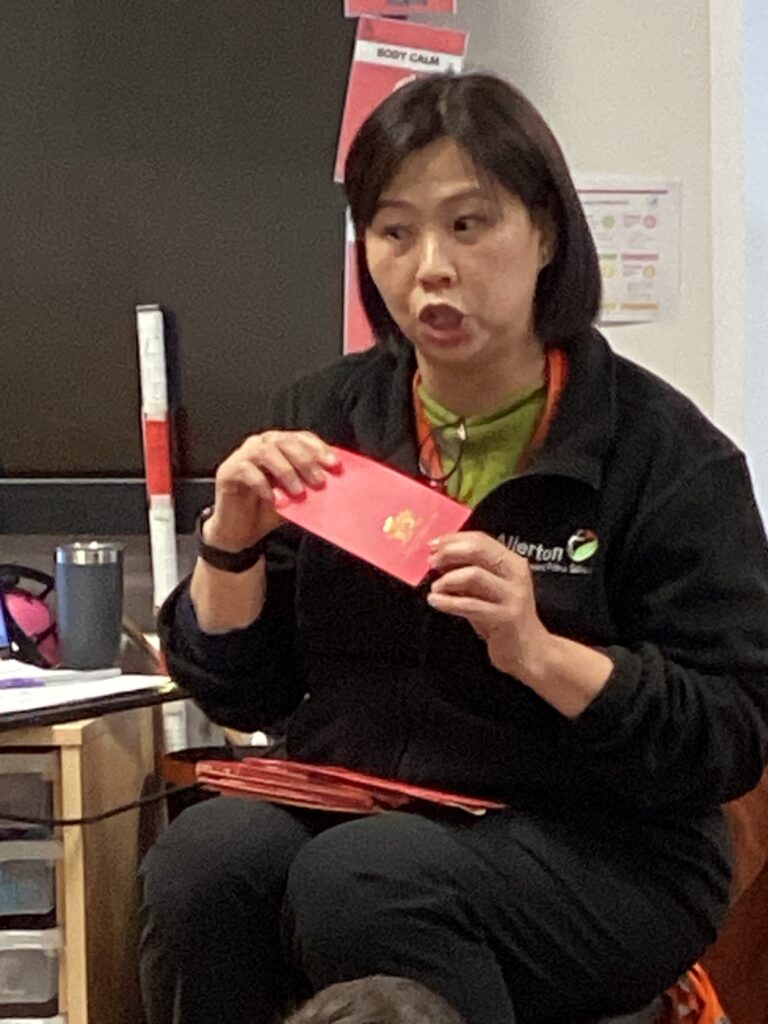
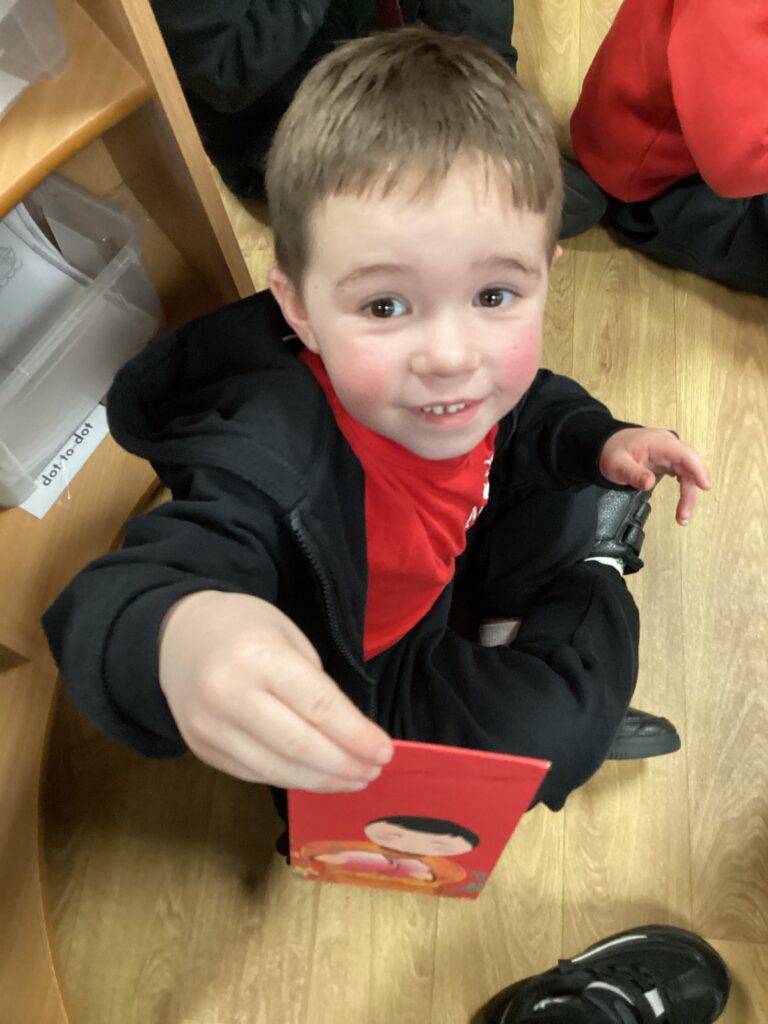
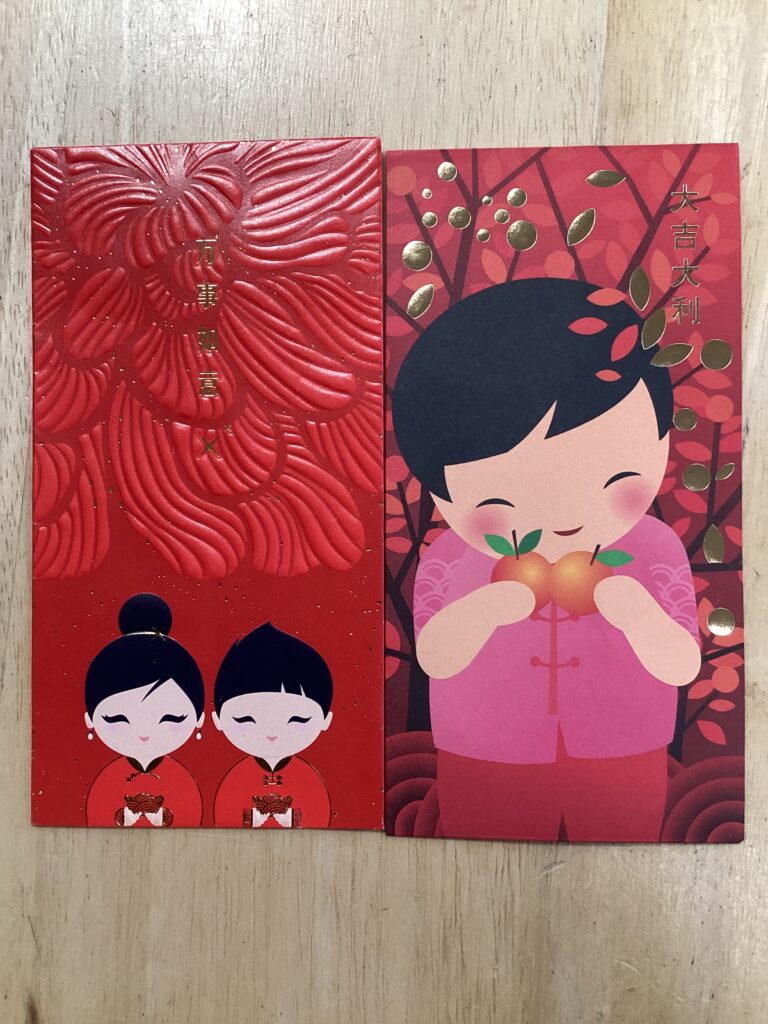
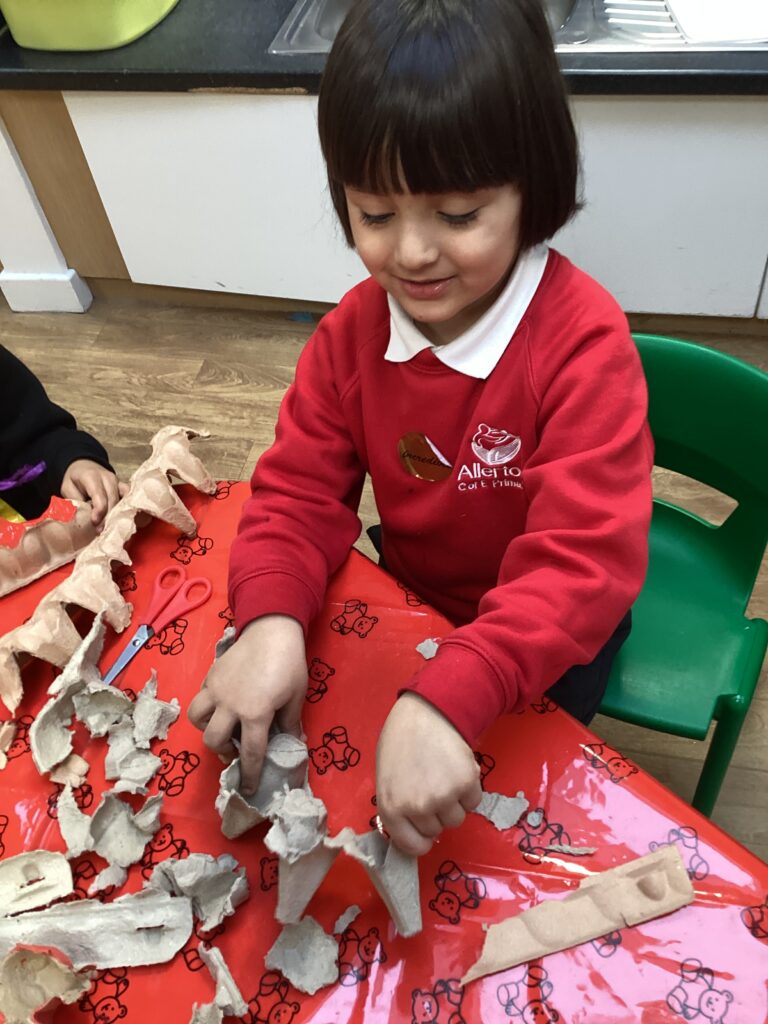
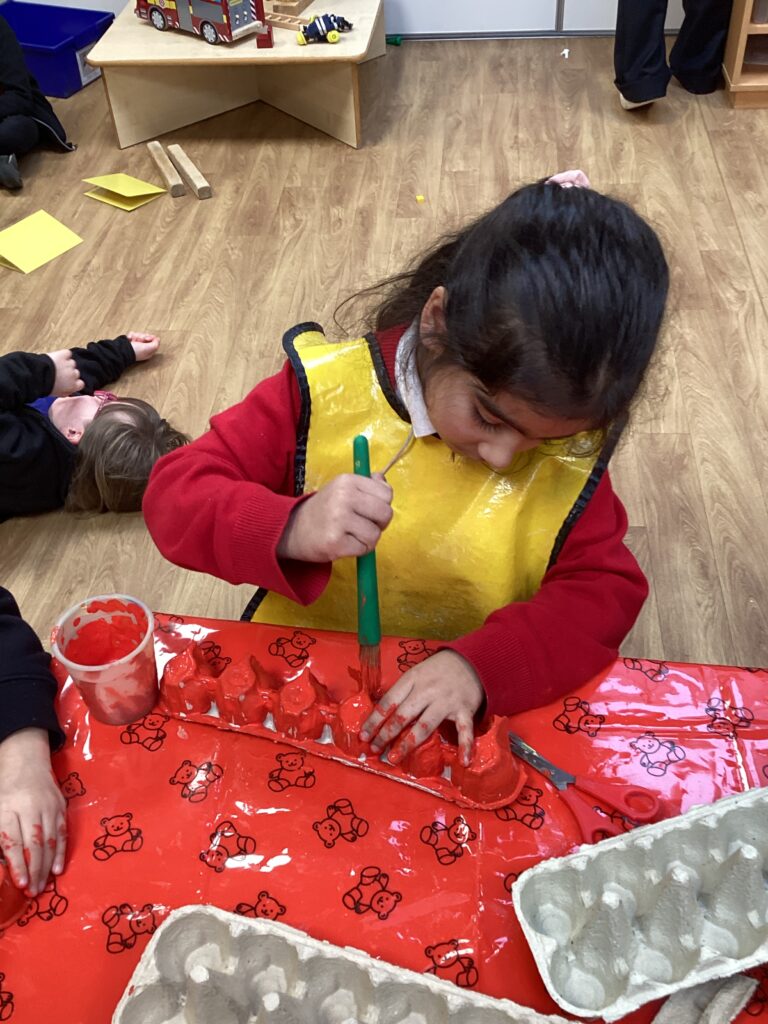
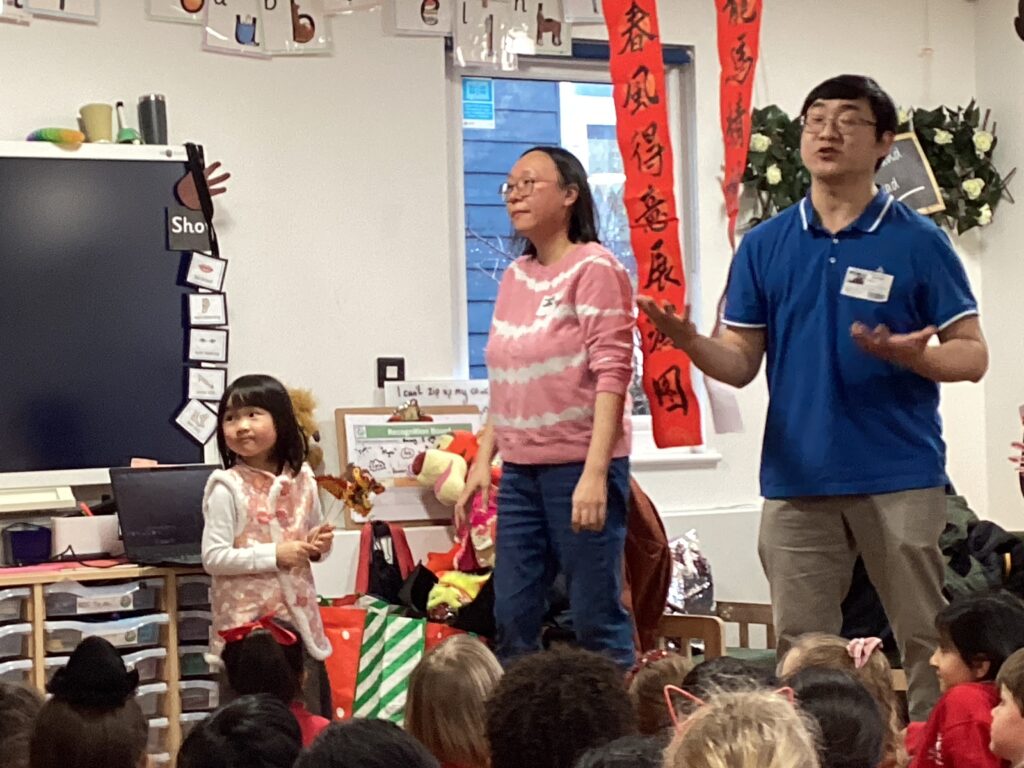
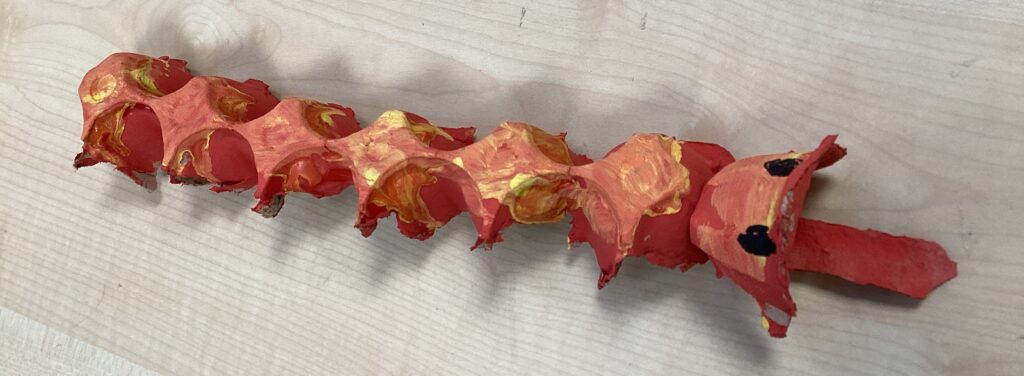
This week we have been learning about Lunar New Year. We started by looking at the places in the world where many people celebrate Lunar New Year. We discovered that Lunar New Year is a celebration of a new moon every Spring. Families prepare by cleaning the house before putting up decorations: lots of red for luck and flowers as a reminder of Spring. On the morning of Lunar New Year, new clothes are worn to recognise the fresh start and children are given red envelopes containing money. Lanterns are made to symbolise the brightness of Spring and people offer good luck messages. Feasts with eight or nine (lucky numbers!) dishes are eaten. Families then go outside to watch the dragon parade and dancing. After the parade, there are firecrackers to deter bad spirits. Each year is named after an animal. I wonder if the children can recall why this is? This year will be year of the horse.
Thank you so much to Audrey’s parents and to Mrs Bentley for talking to the children about how they celebrate Lunar New Year.
The National Literacy Trust encourages us to celebrate the magic of stories and the many ways that stories support children in their exploration of language, imagination and the world around them. The Trust reminds us that, “Storytelling doesn’t need to begin with a book, it can grow from a sound, a question, a walk in the garden or even a wriggly worm making its way through the soil”.
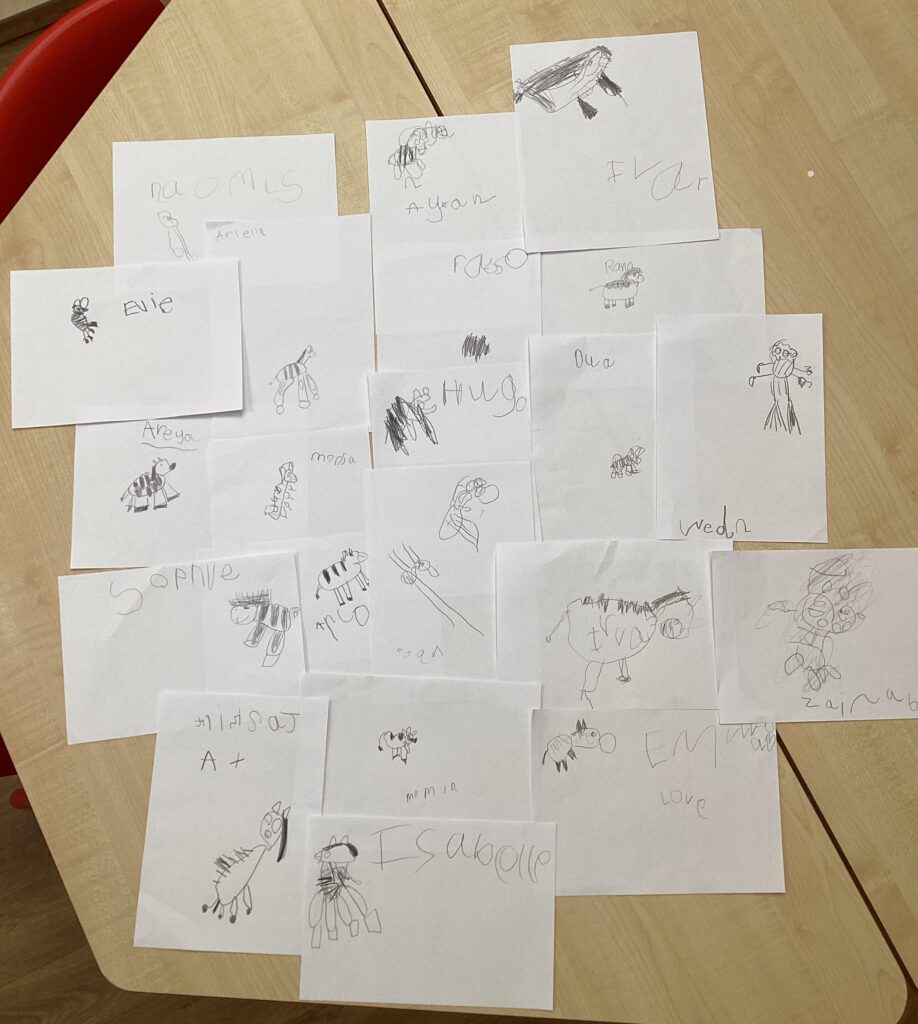
We discovered from poet, Simon Mole, that hungry birds stamp their feet on the ground to trick worms into thinking that it is raining so that they emerge from the soil, only to be gobbled up!
We used our bodies as percussion and concentrated hard to try and keep to the beat that Simon Mole and his musician friend, Gecko, taught us. Here is the link to the singalong so the children can show you at home.
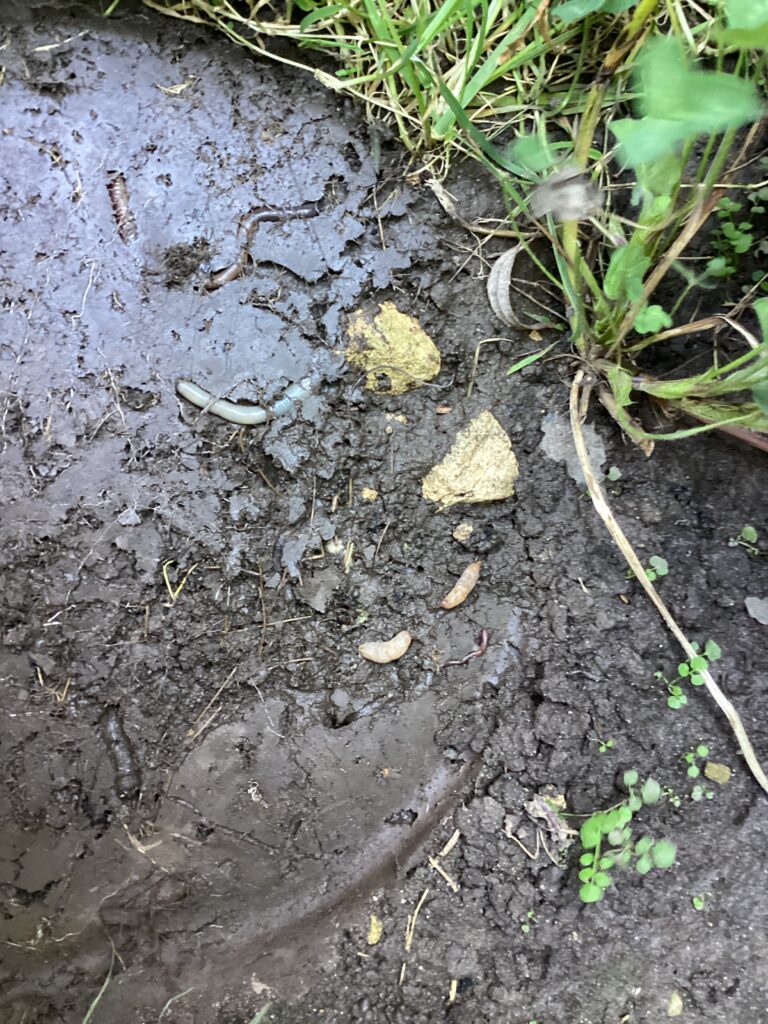
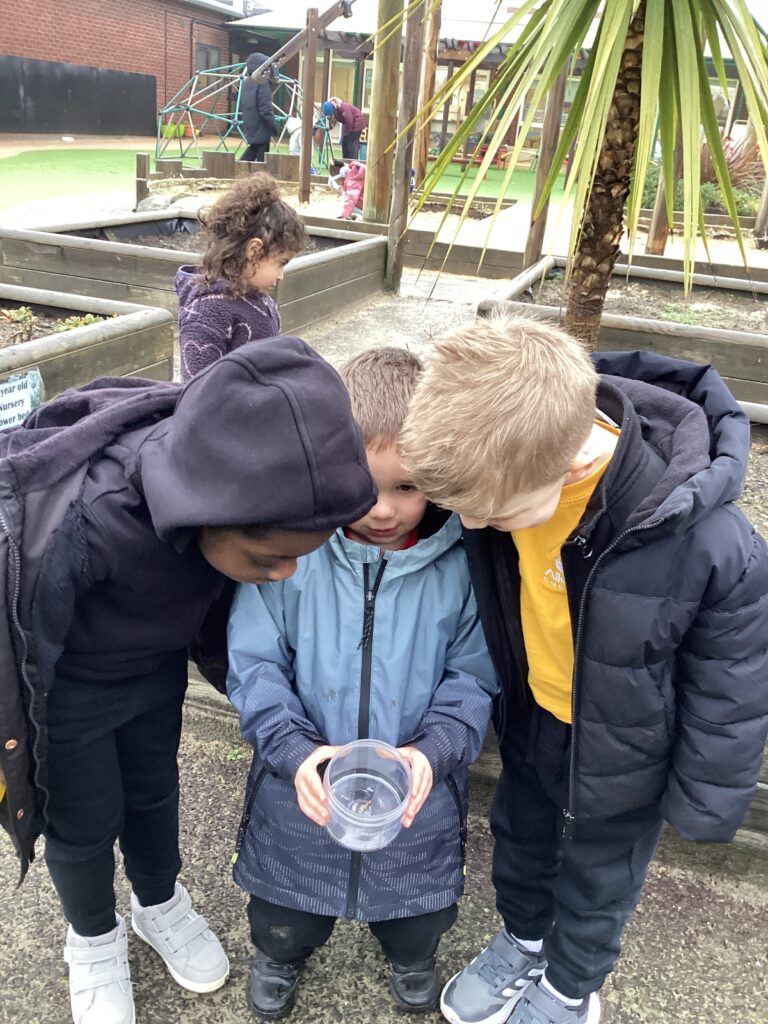
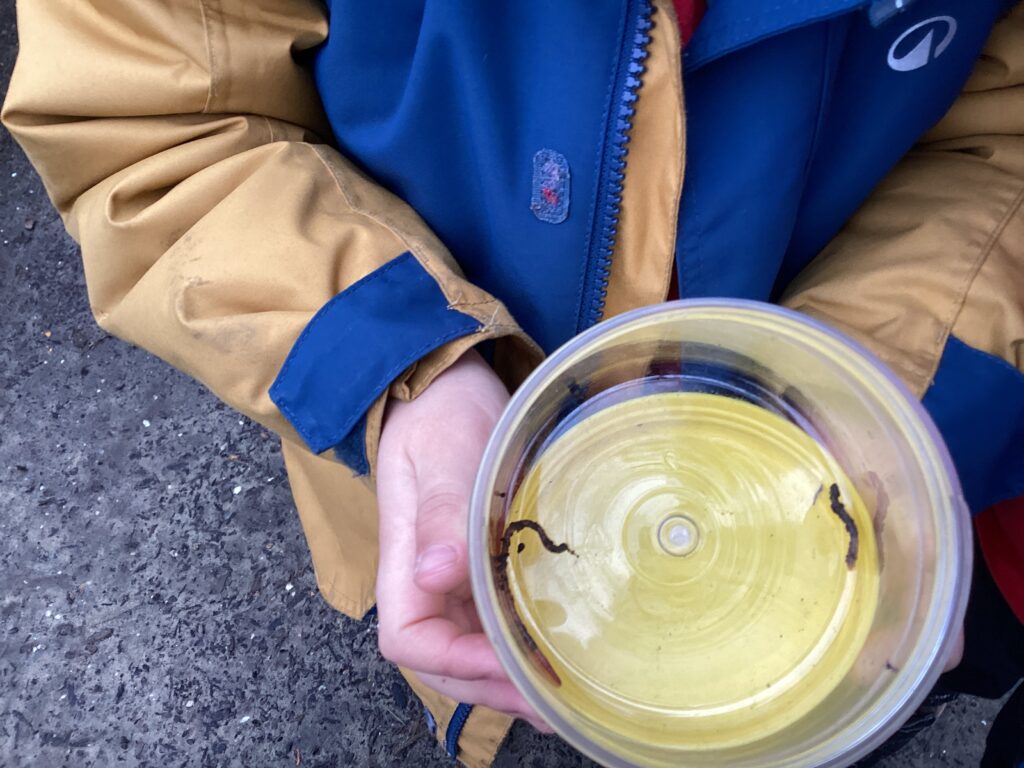
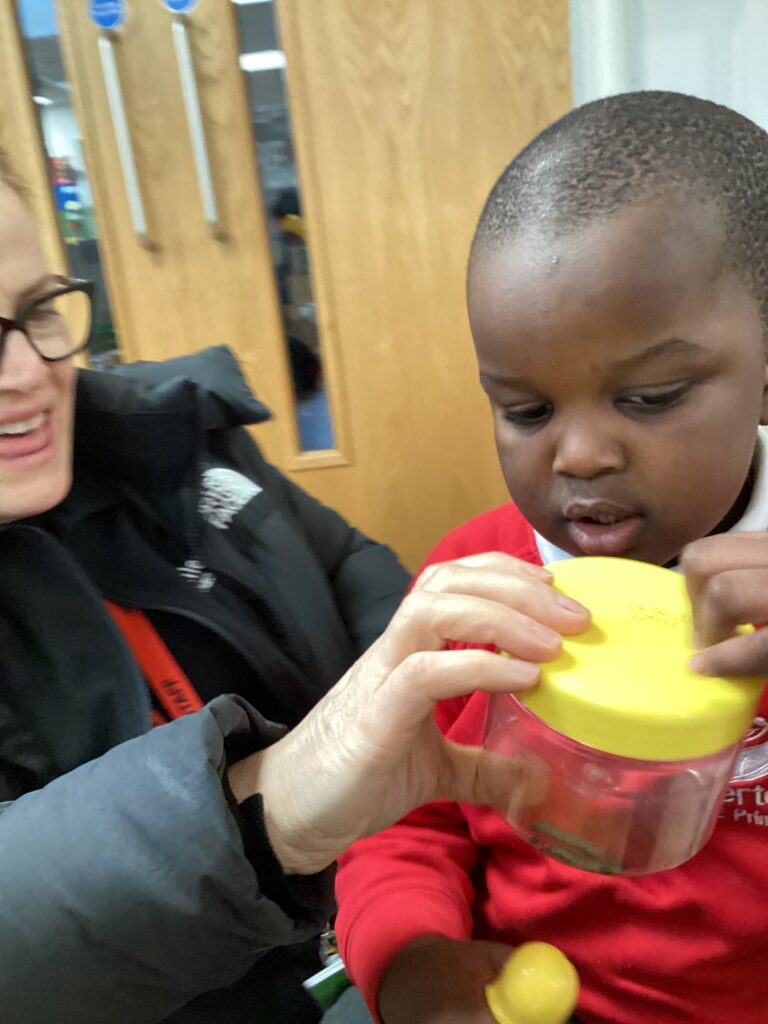
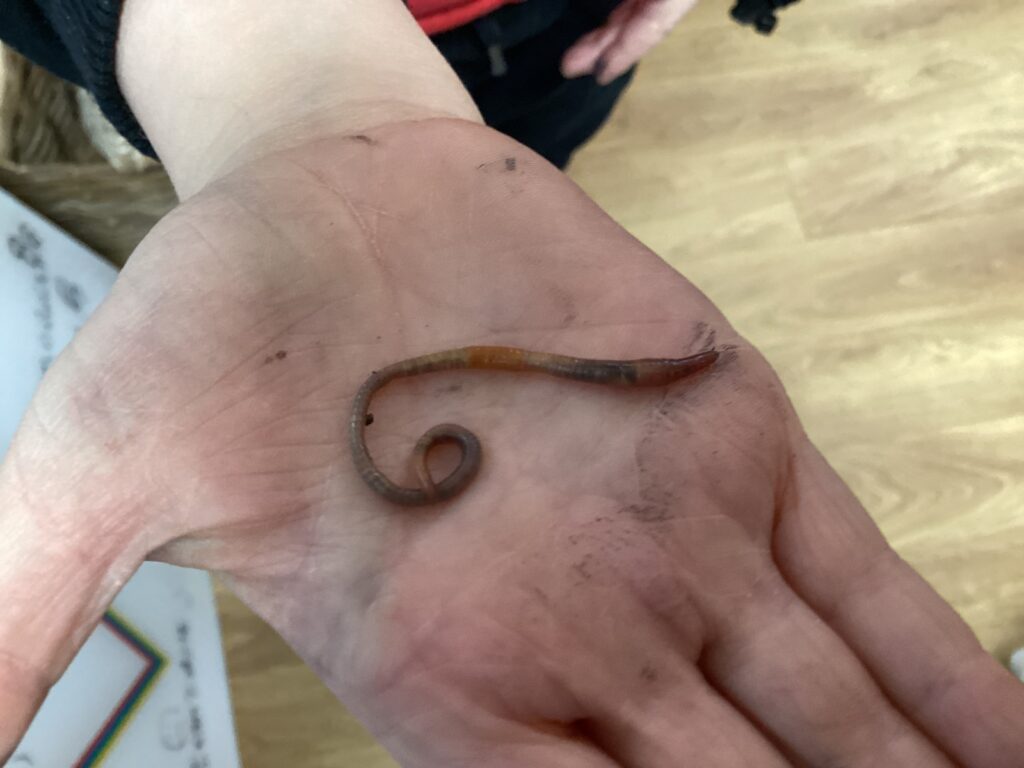
Some of us chose to brave the chilly weather and dig for worms with Mrs Shazedi and then we talked about what our new friends looked like and how they moved.
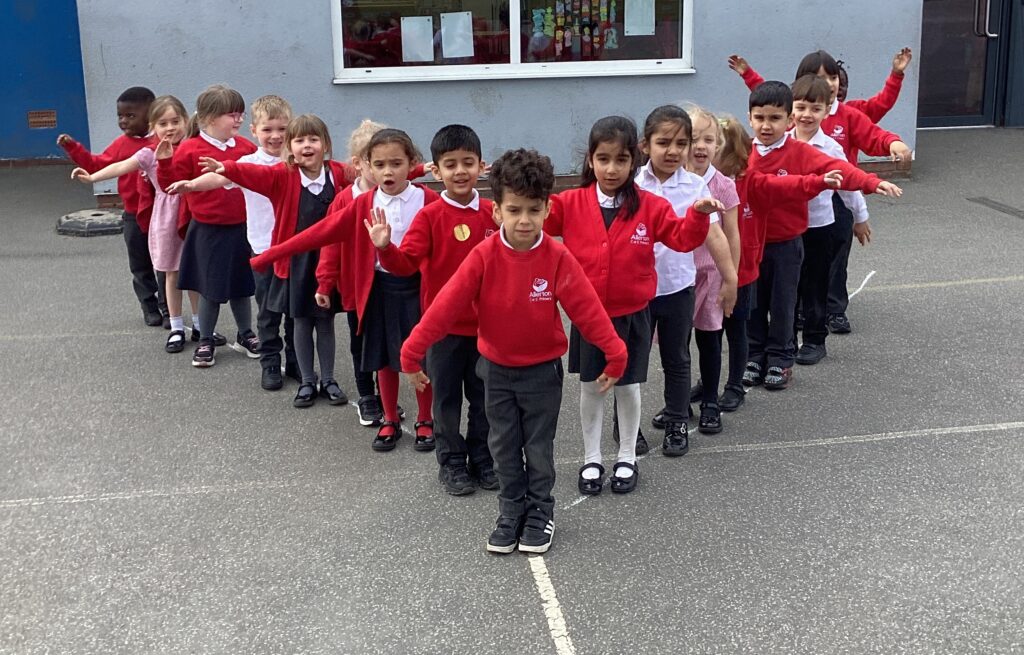
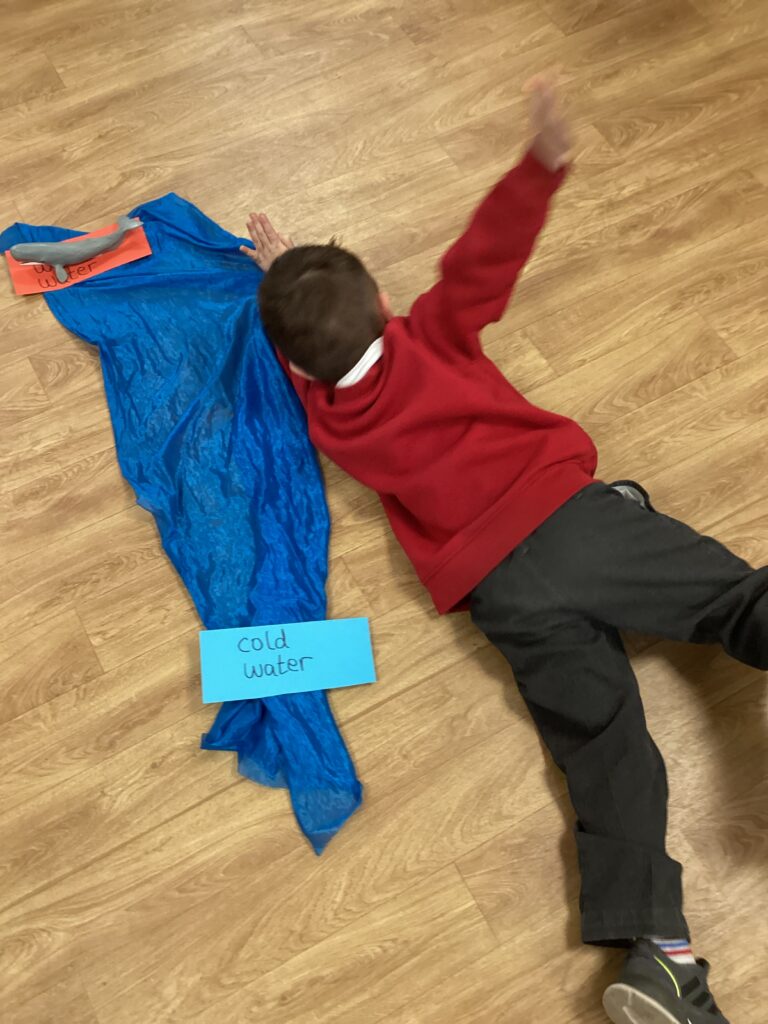
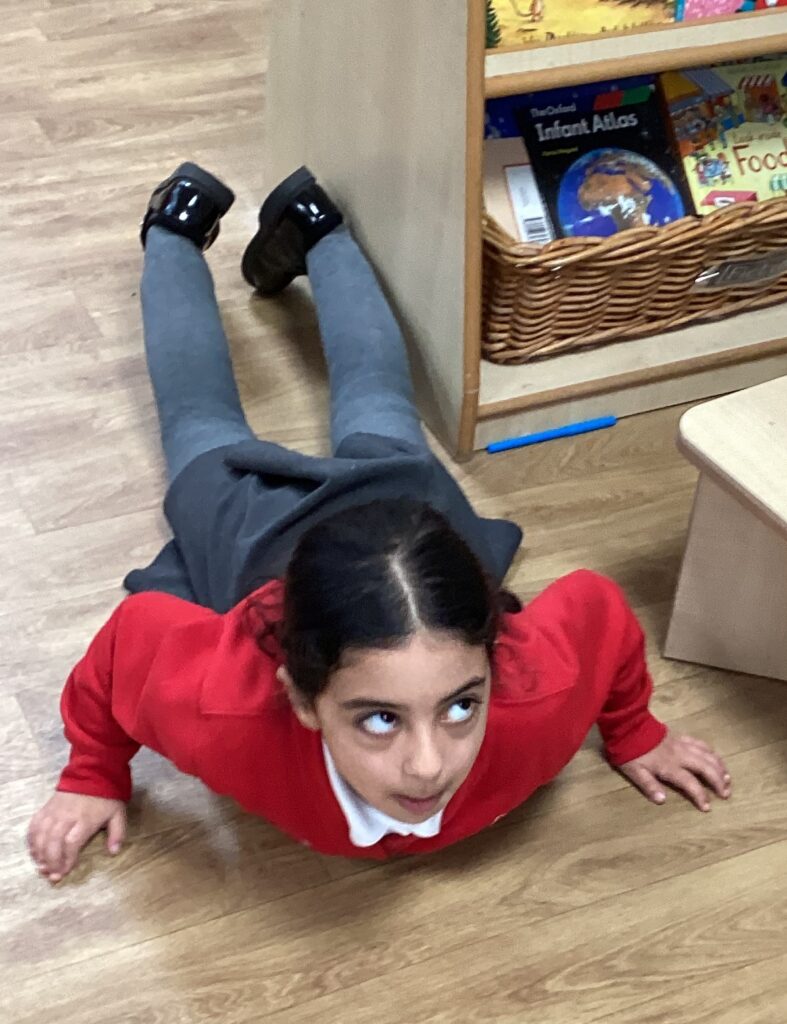
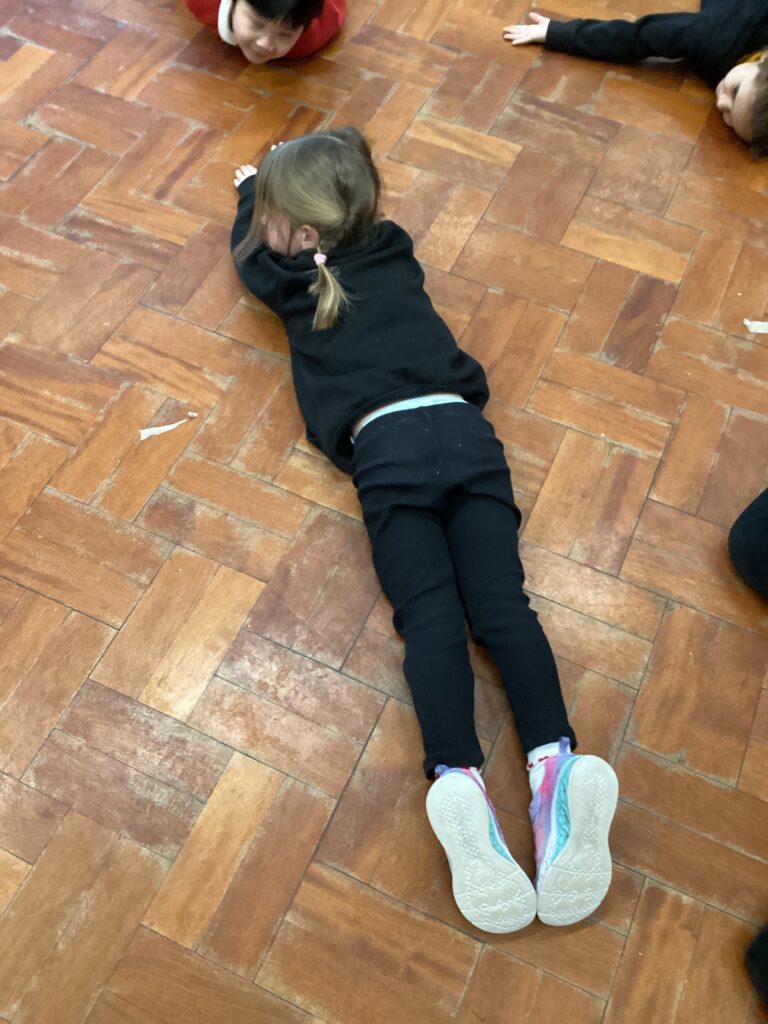
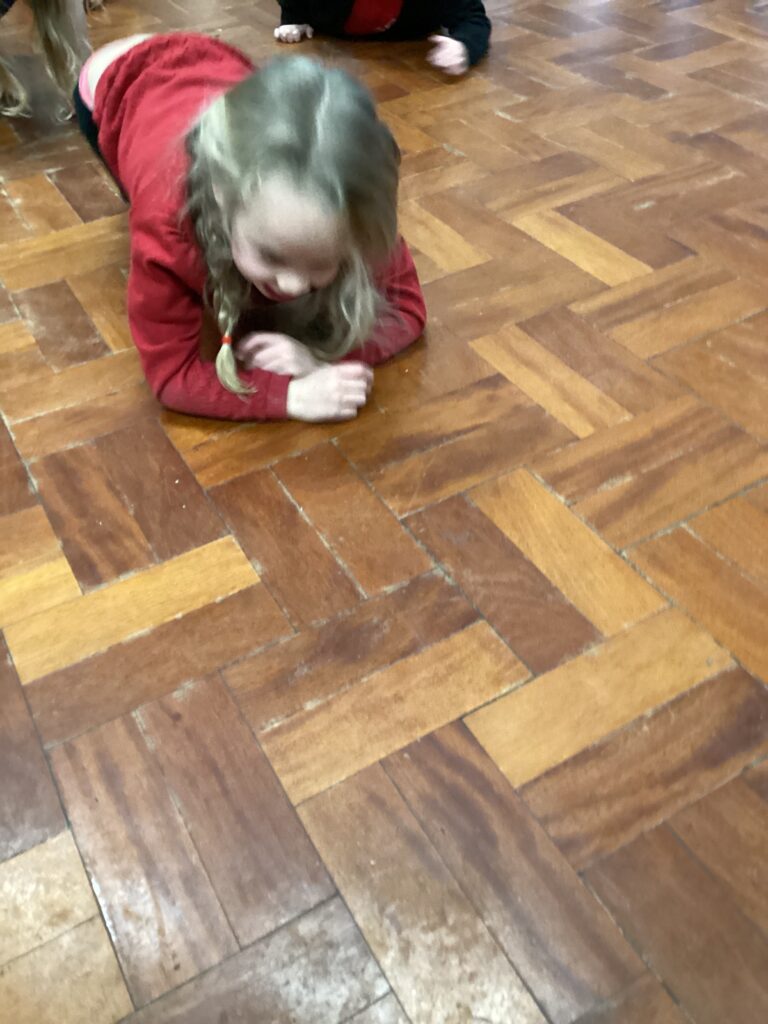
In PE on Wednesday, we woke up and stretched like a worm, wriggled and squirmed through the soil, pushed and pulled hard as the ground became firmer, curled into a small ball to fit through a tunnel, jumped over puddles, balanced on a bumpy log, froze when birds came overhead and rolled down the hill home. Tired, at last, the worms curled up and rested, breathing slowly.
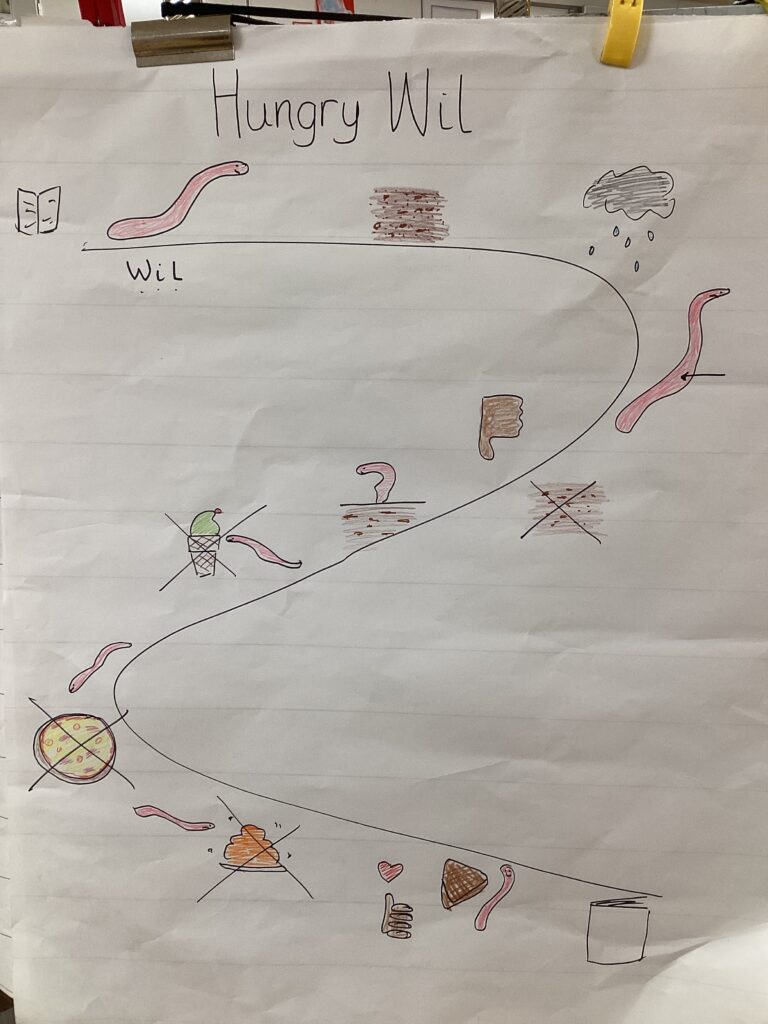
On Friday, the worm in our own storytelling session – Wil (Wilma/Wilbur) – thought that earth tasted disgusting so went in pursuit of tastier alternatives. Can the children tell you which foods their worm did and did not enjoy?
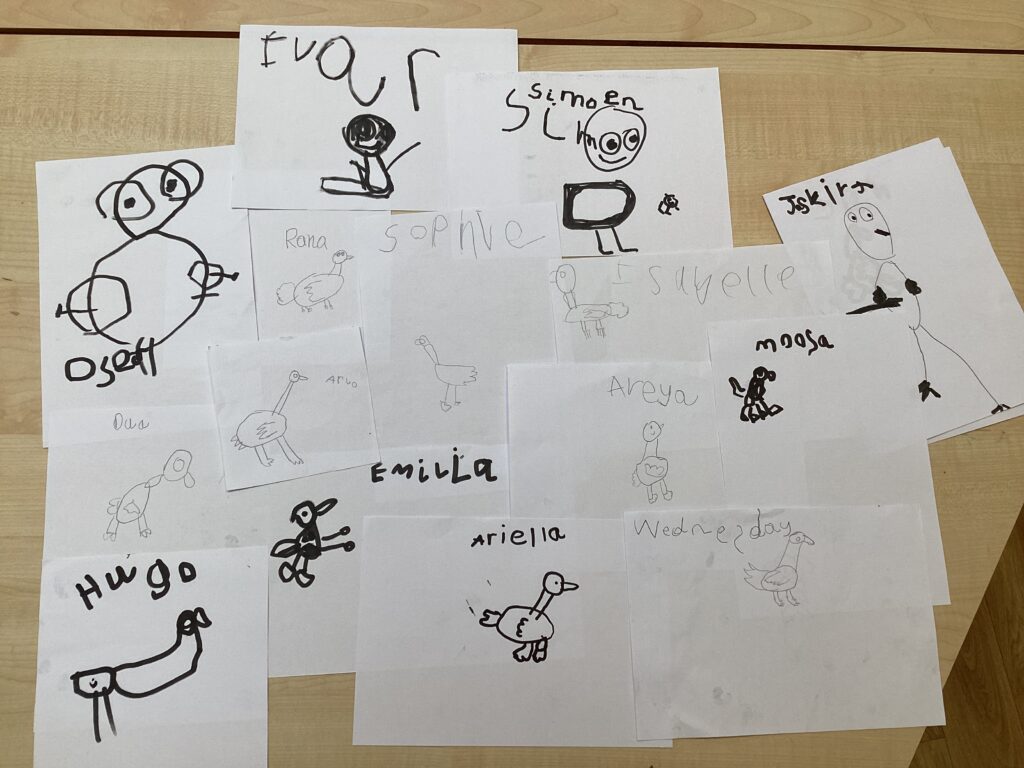
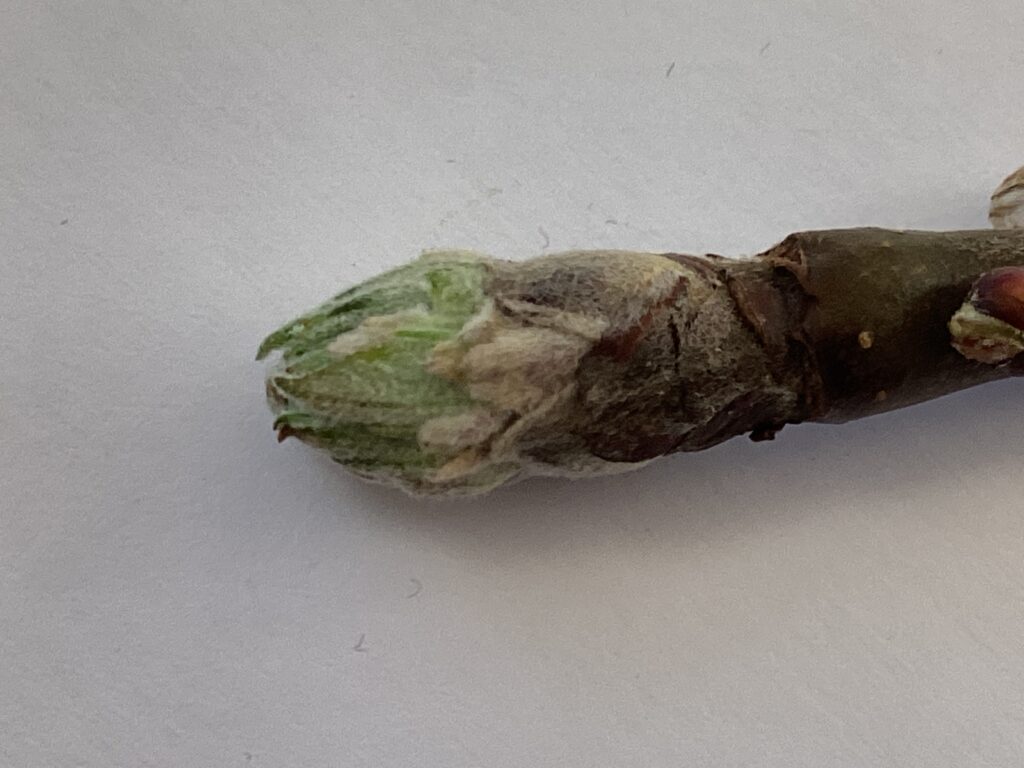
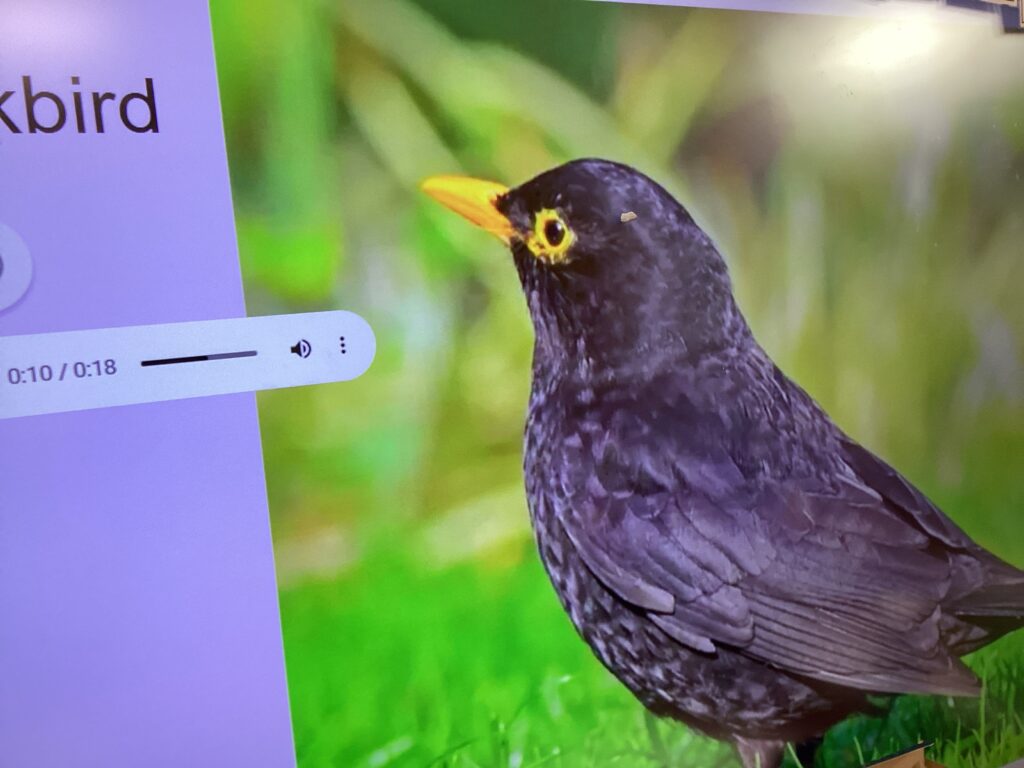
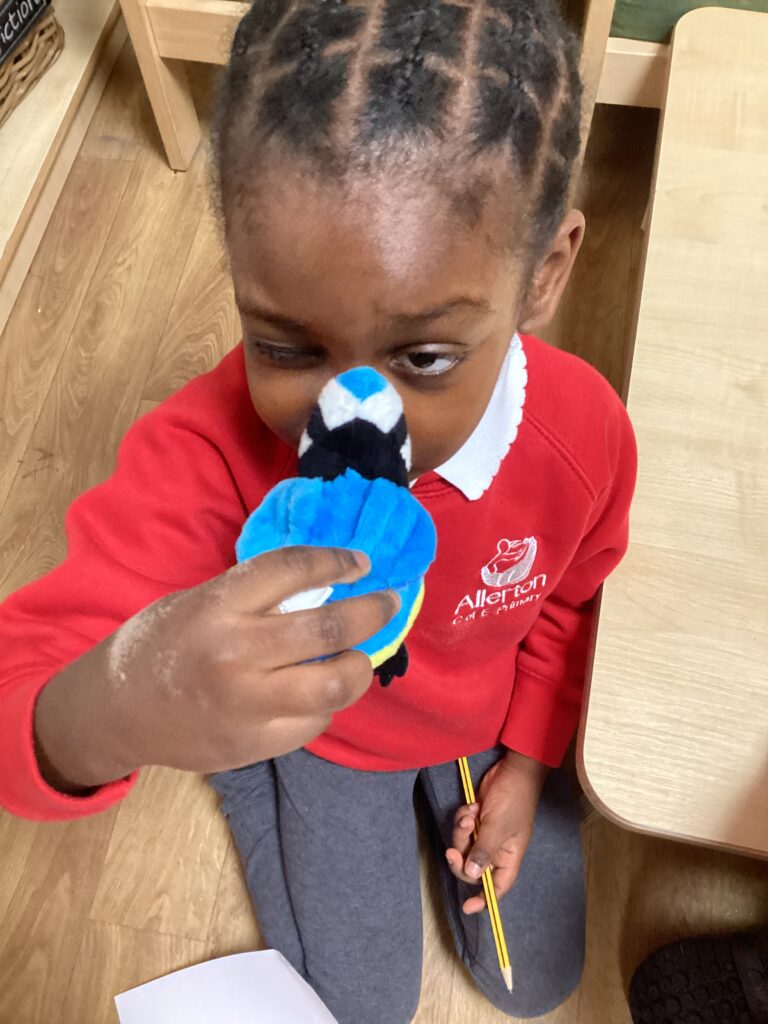
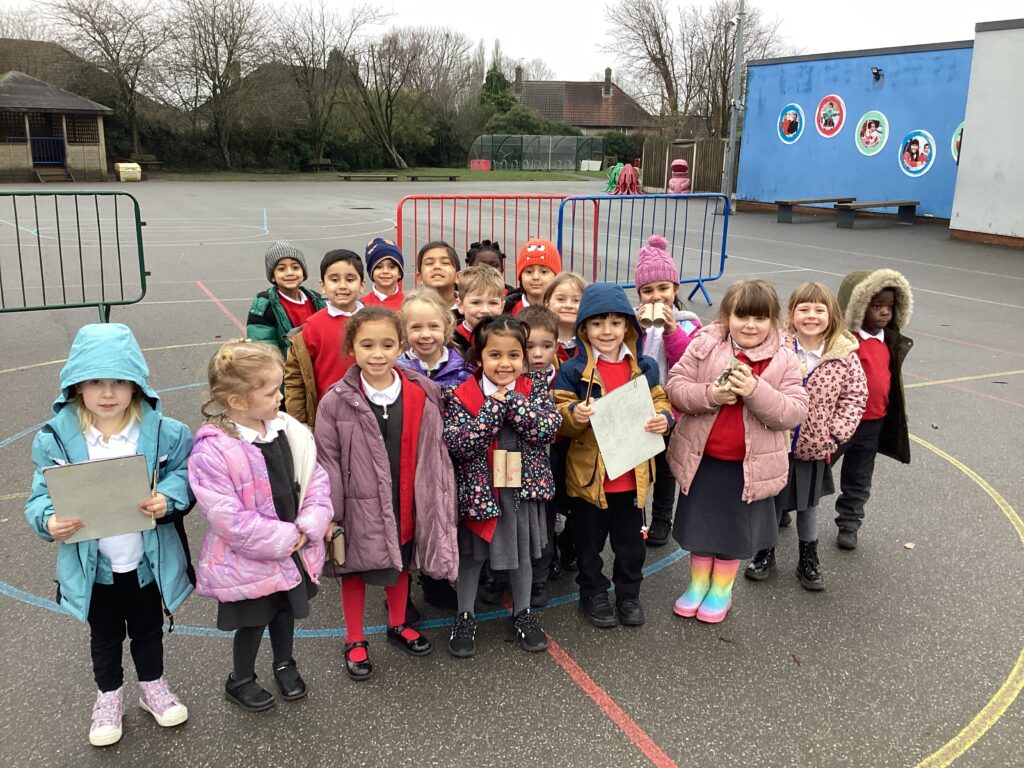
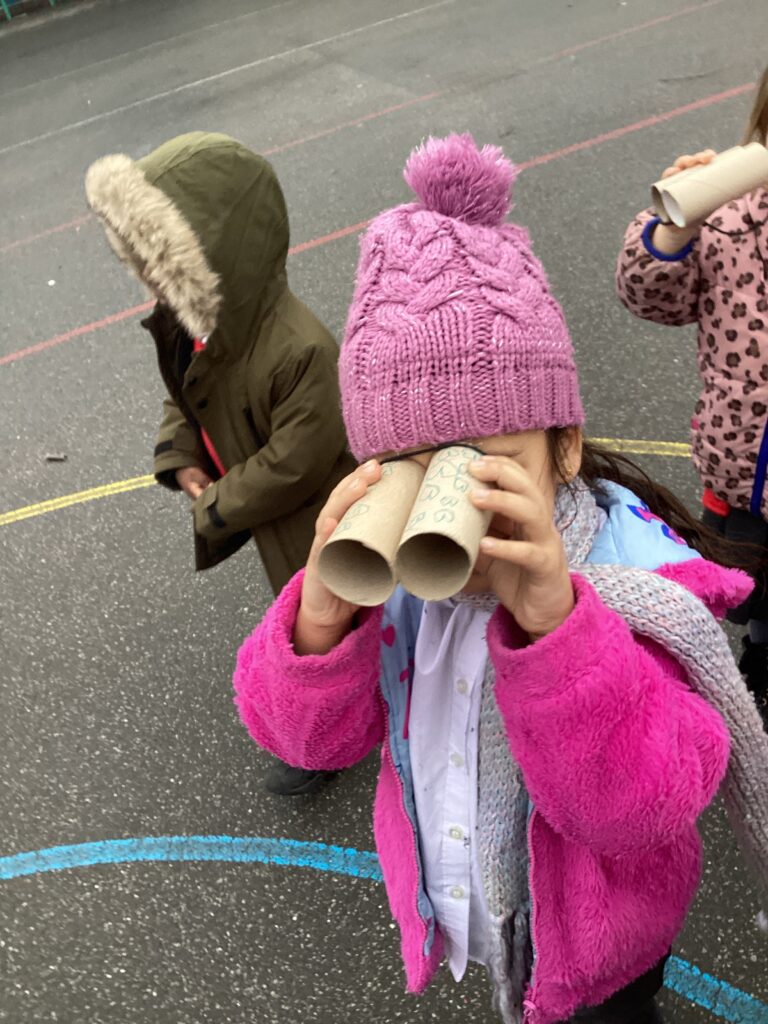
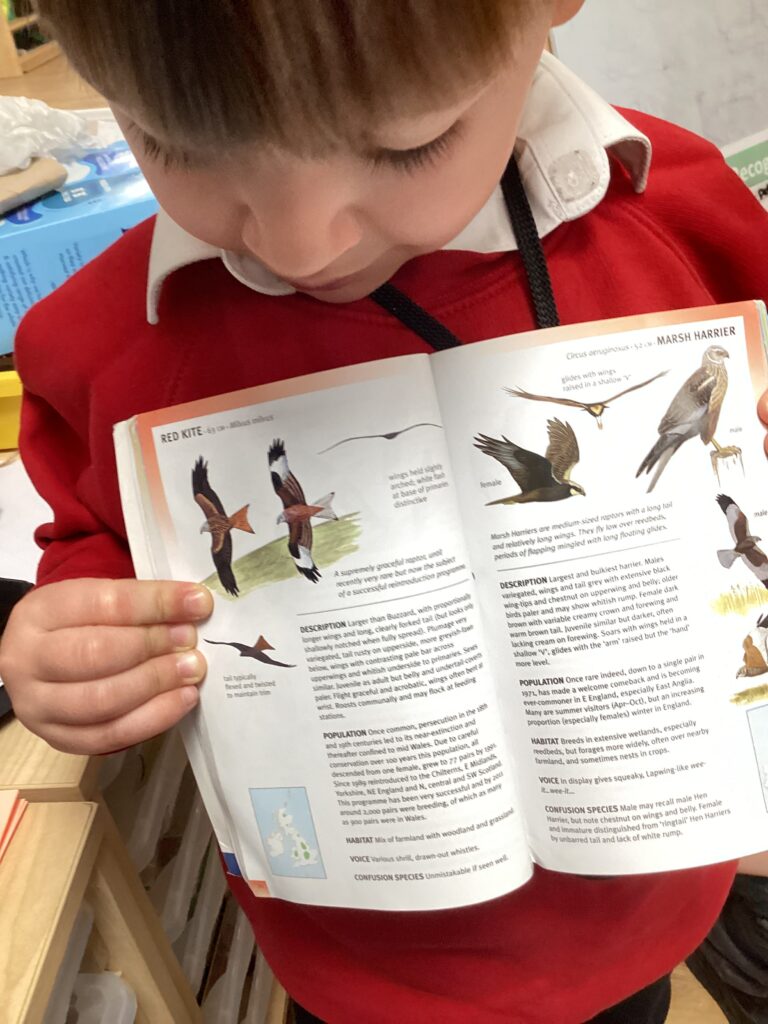
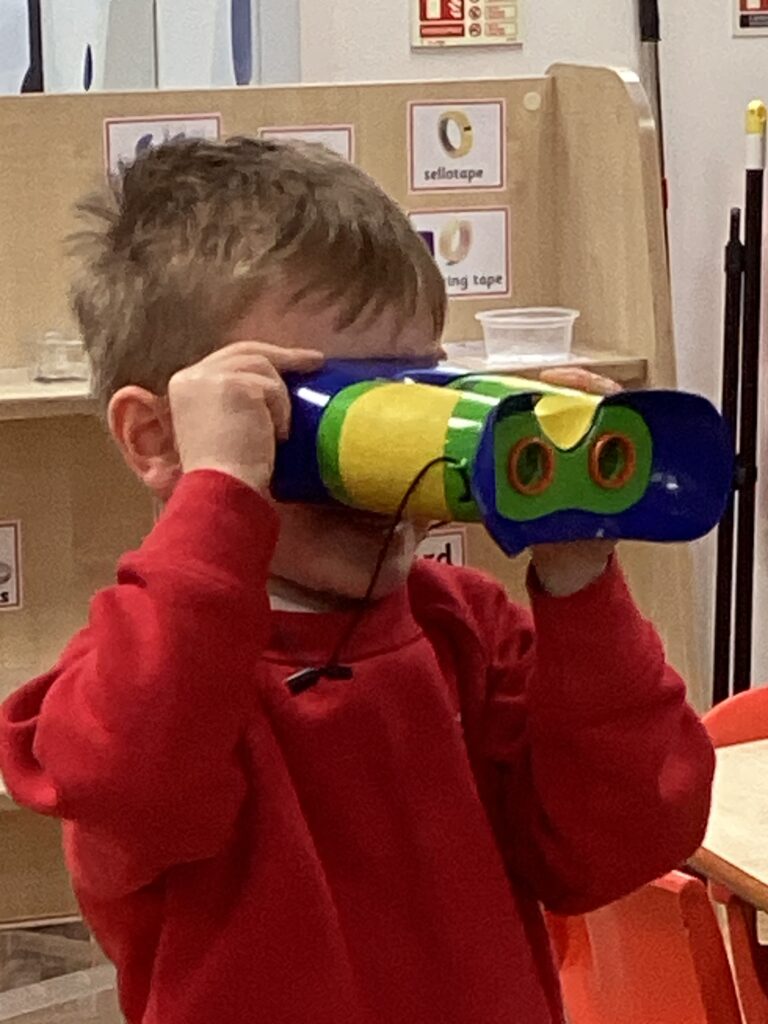
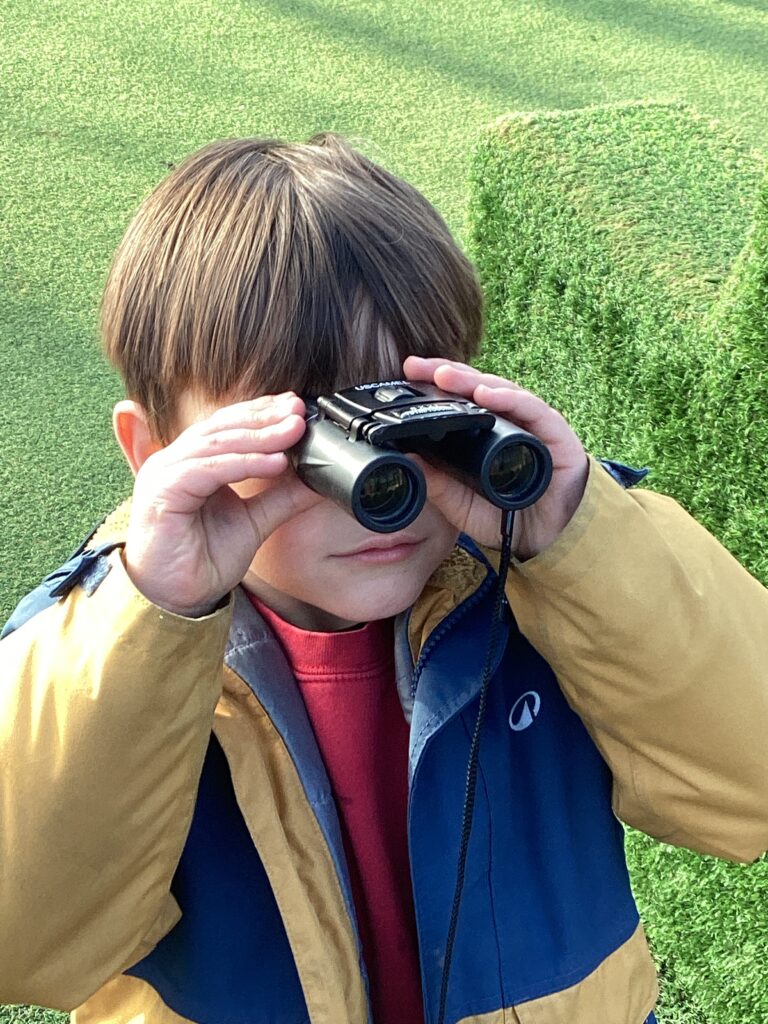
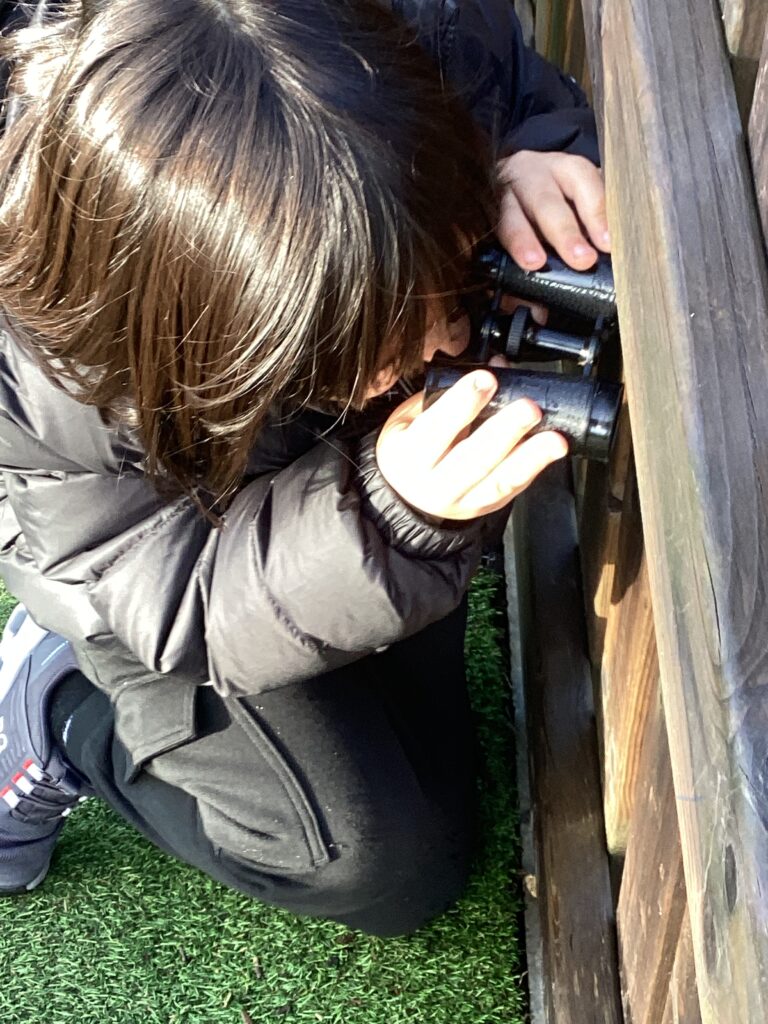
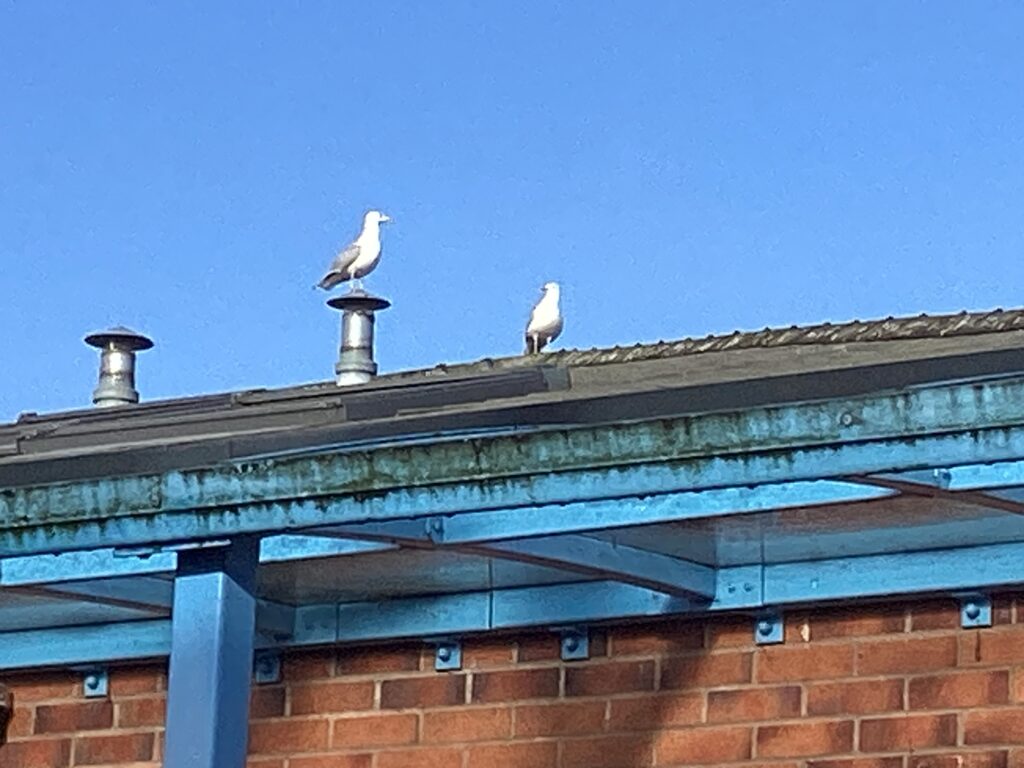
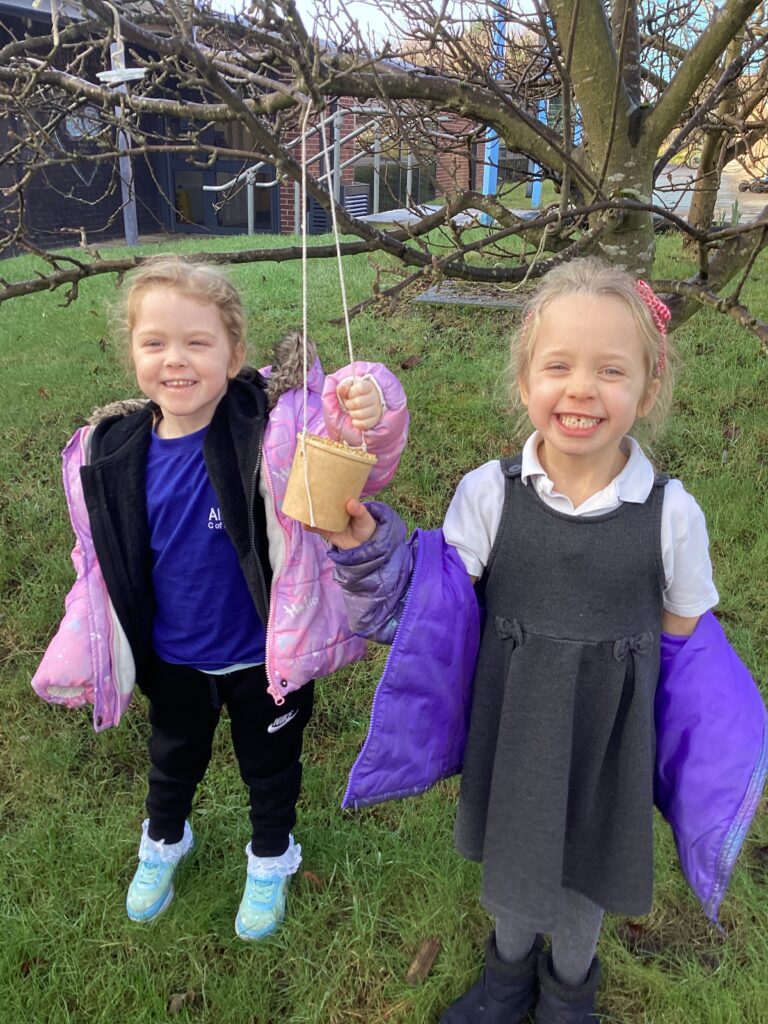
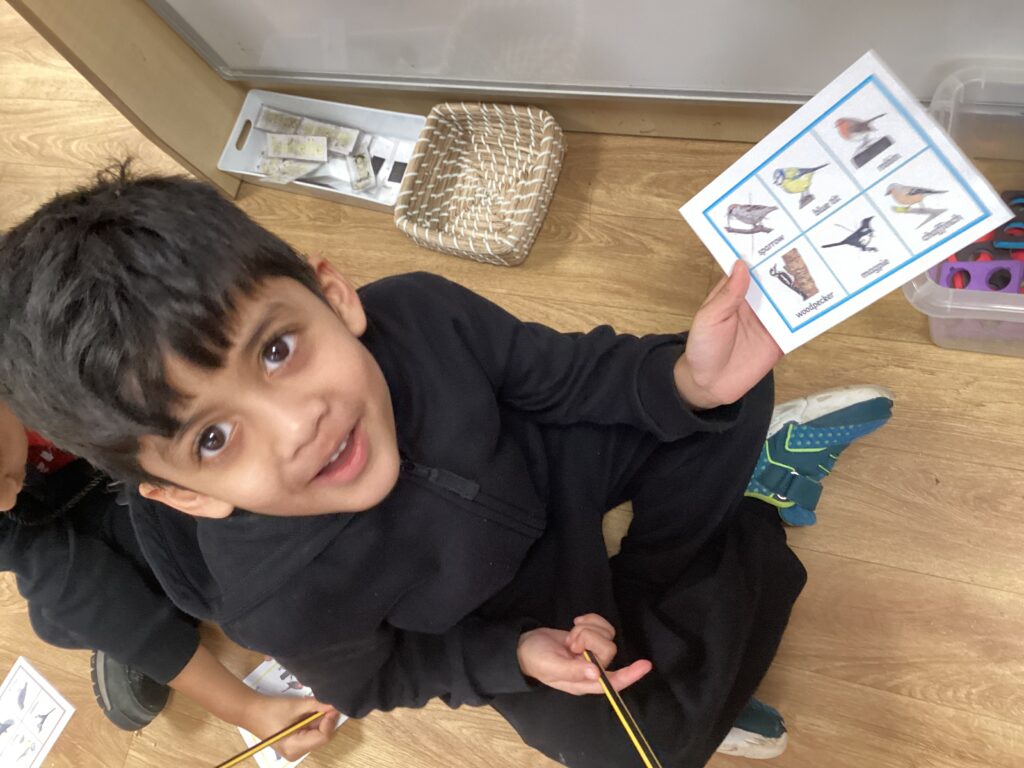
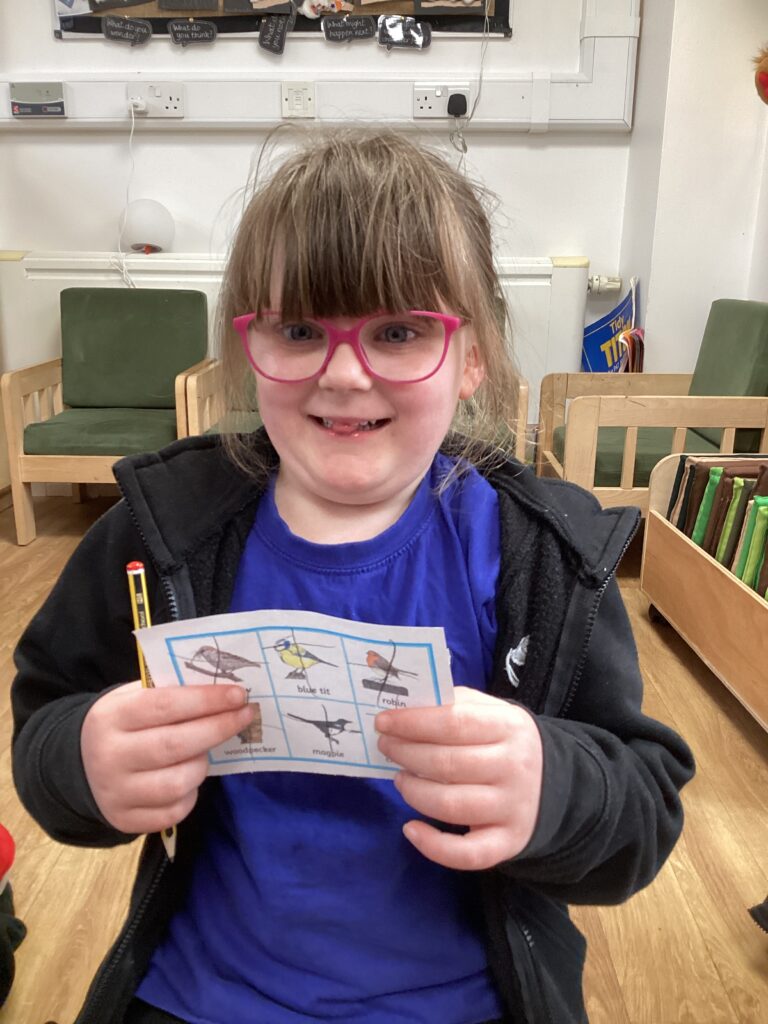
We discovered that all birds: have feathers; lay eggs; have a beak instead of teeth and have wings (but not all birds fly). After enjoying the book, ‘A Busy Day for Birds’ by Lucy Cousins, we went on our own birdwatch around the school grounds. Some children even brought in their own binoculars and books about birds later in the week. Can the children recall which birds they spotted or heard?
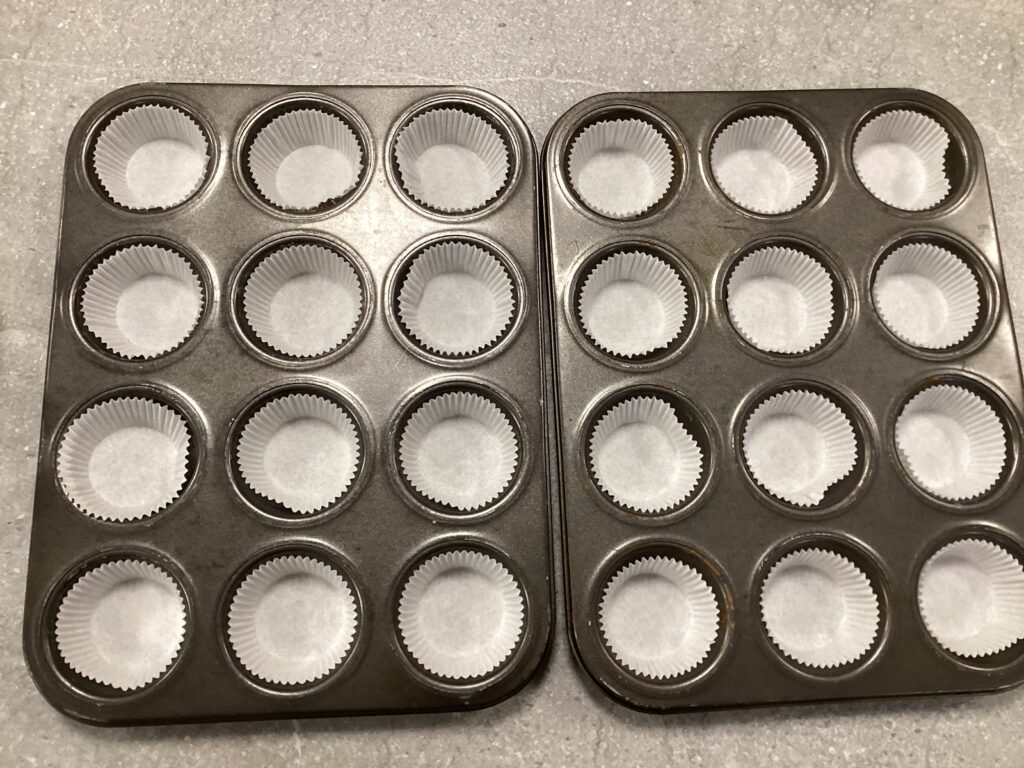
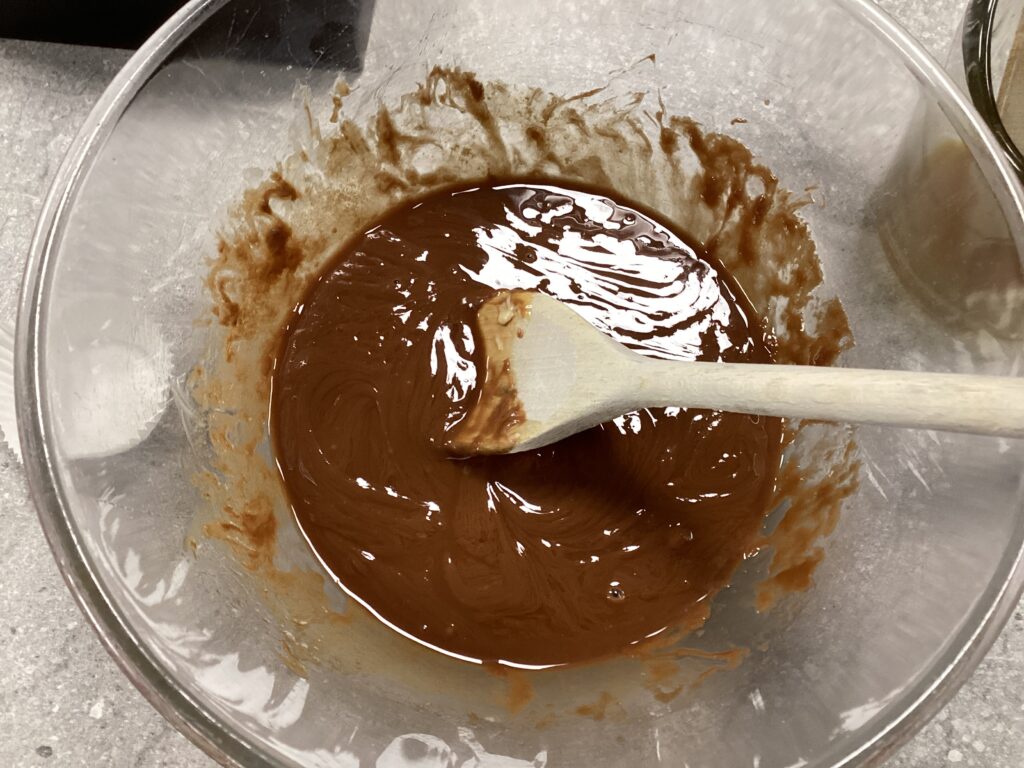
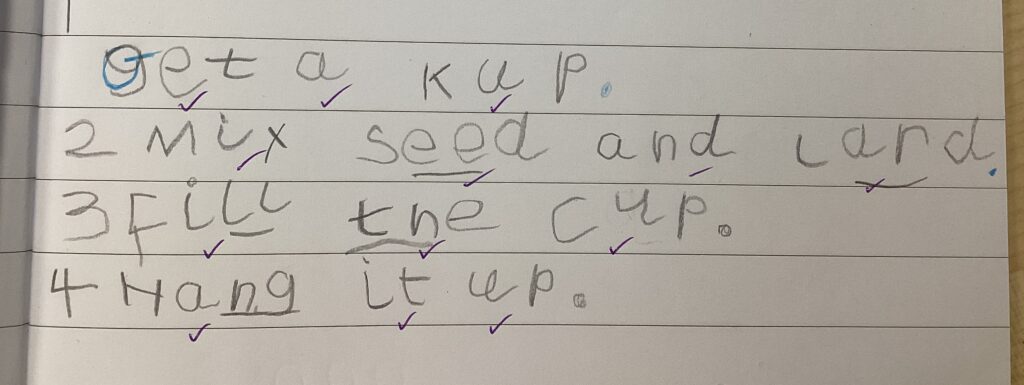
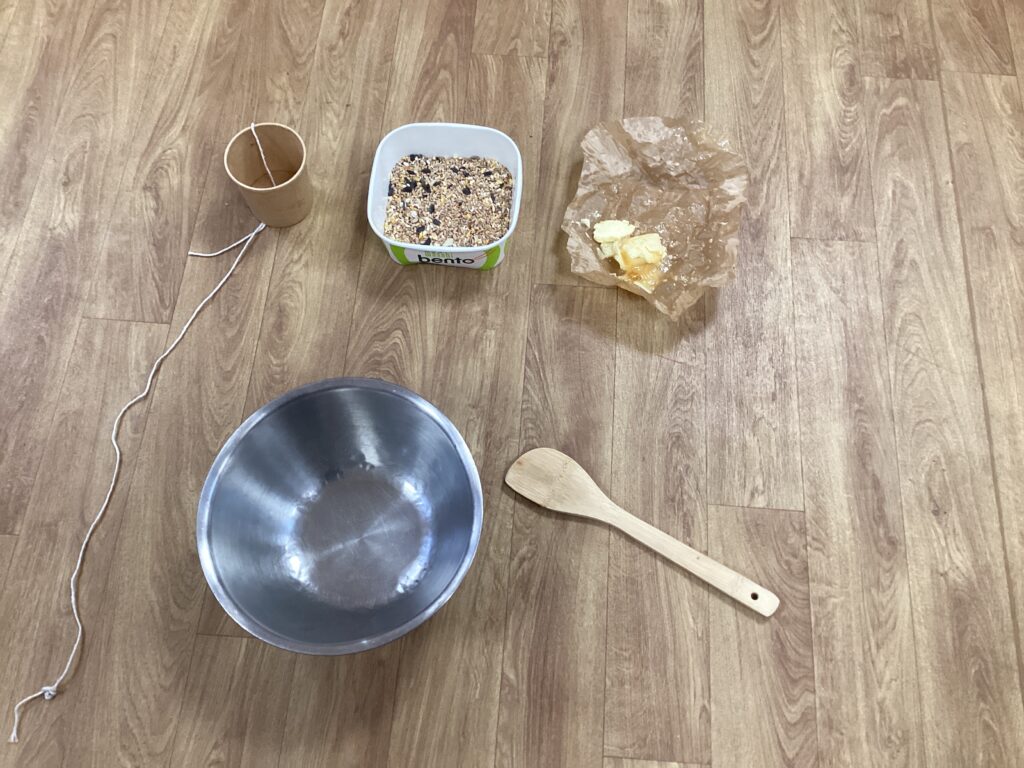
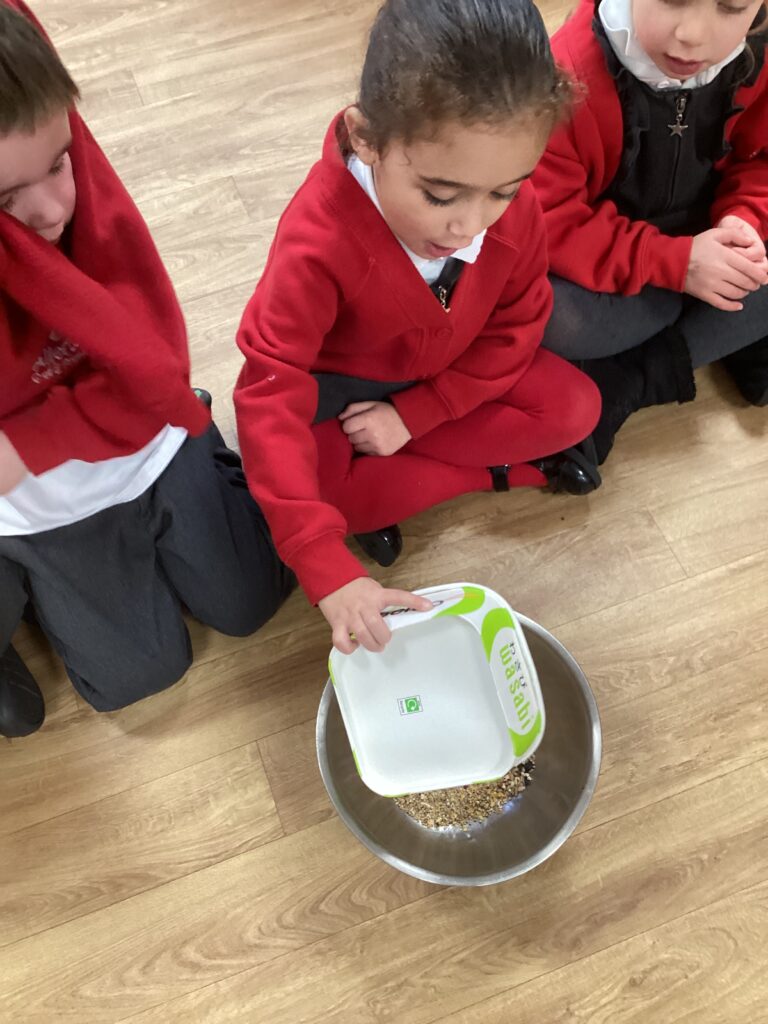
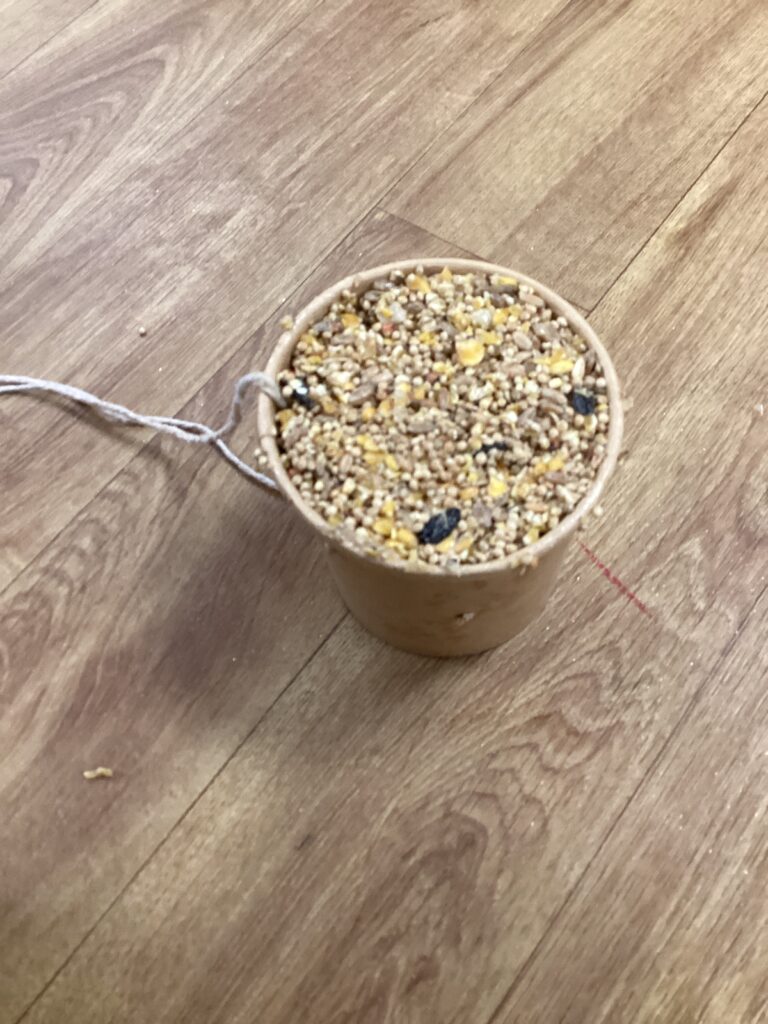
The children made cake for the birds, who visit our class apple tree, and then had a go at writing simple instructions to help them remember what to do next time. Some of us have been introduced to the magic pencil: it helps us to check our writing for capital letters and full stops.
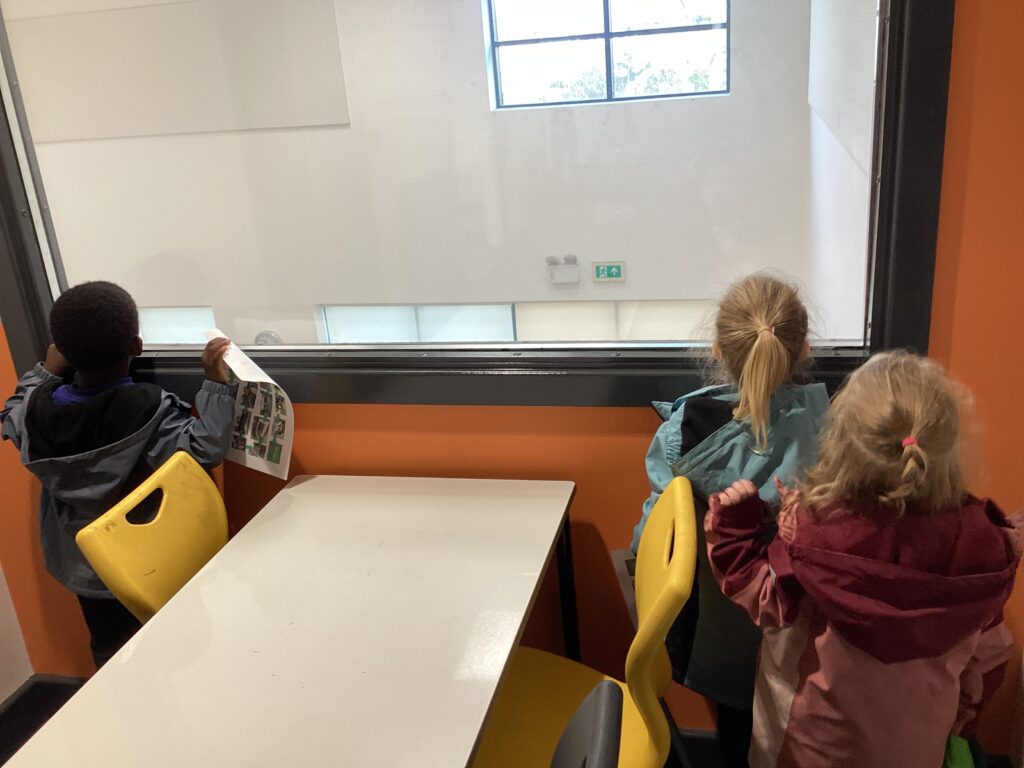
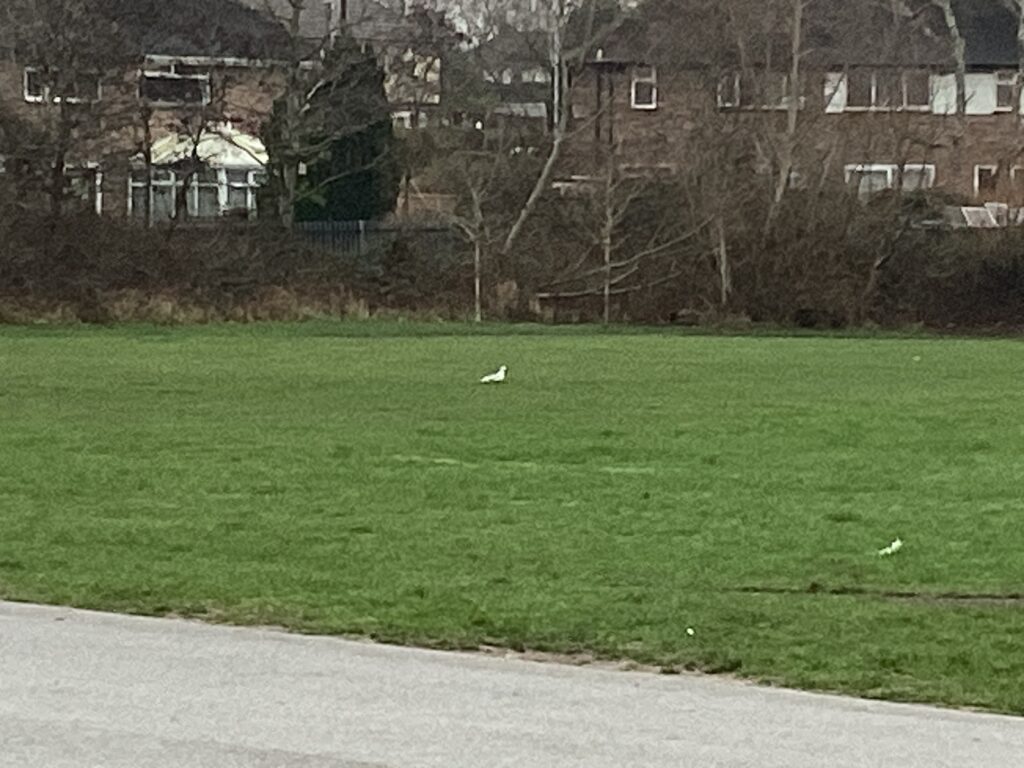
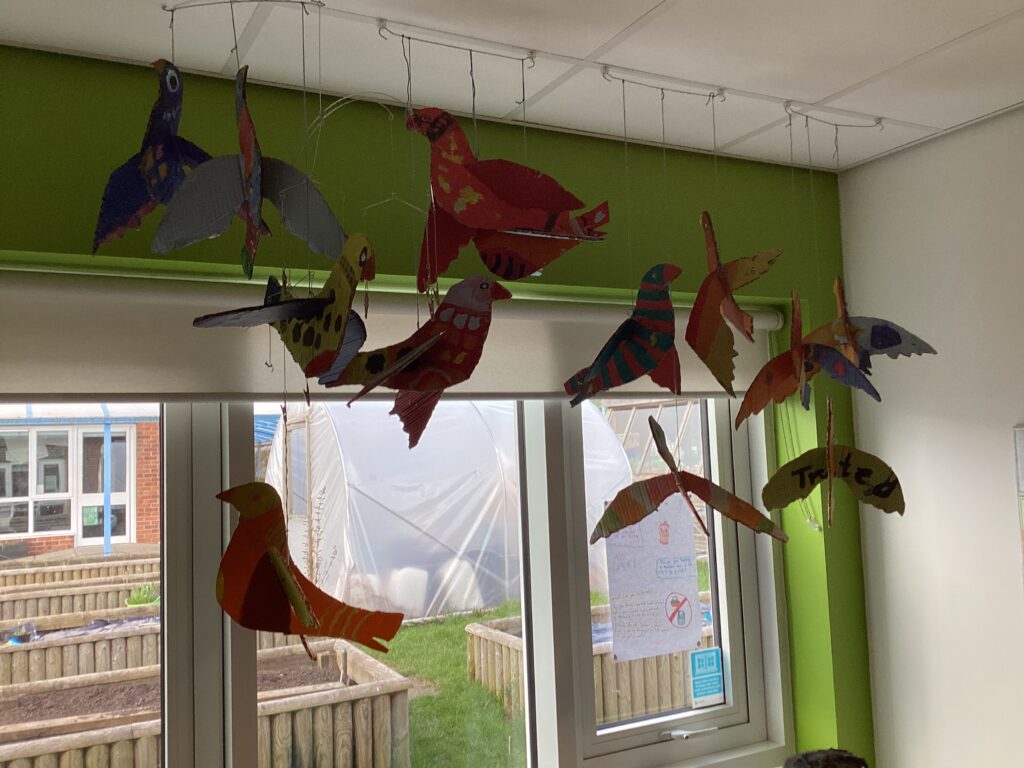
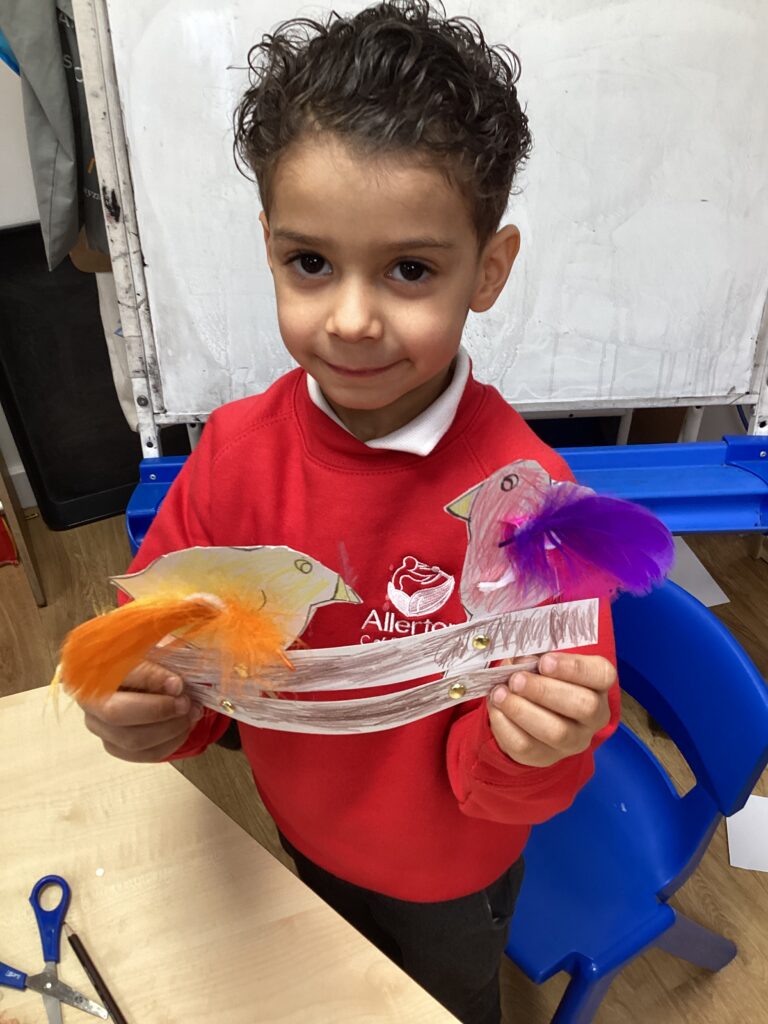
We have also enjoyed playing bird bingo and creating a sliding mechanism so our birds can move towards each other.
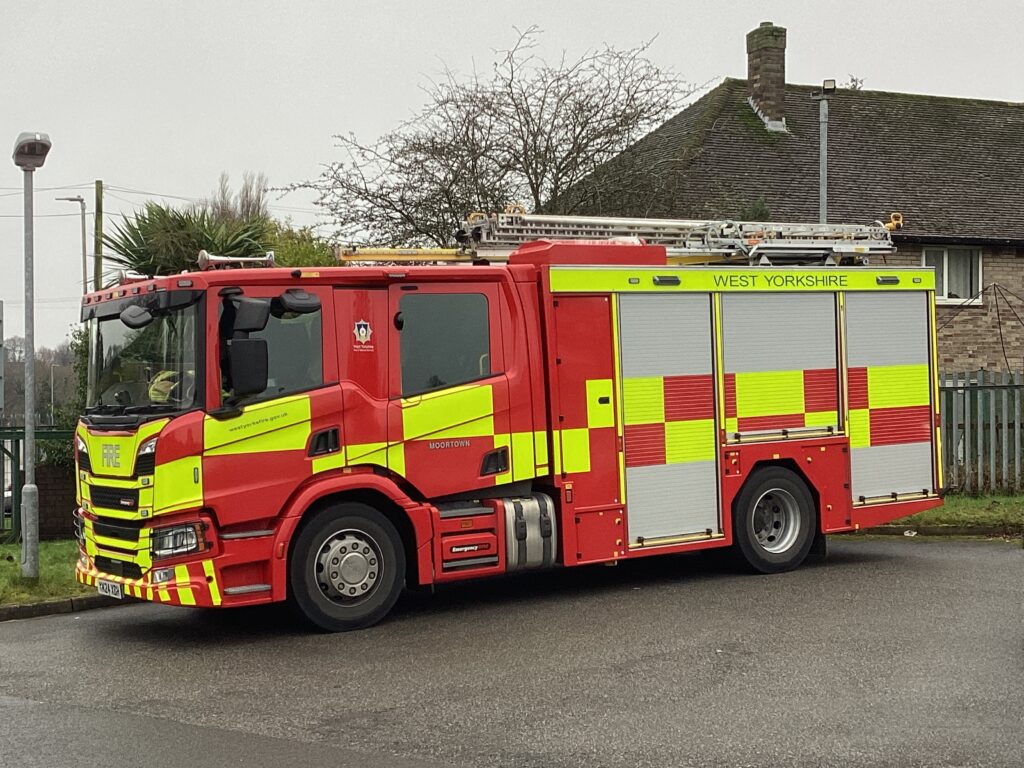
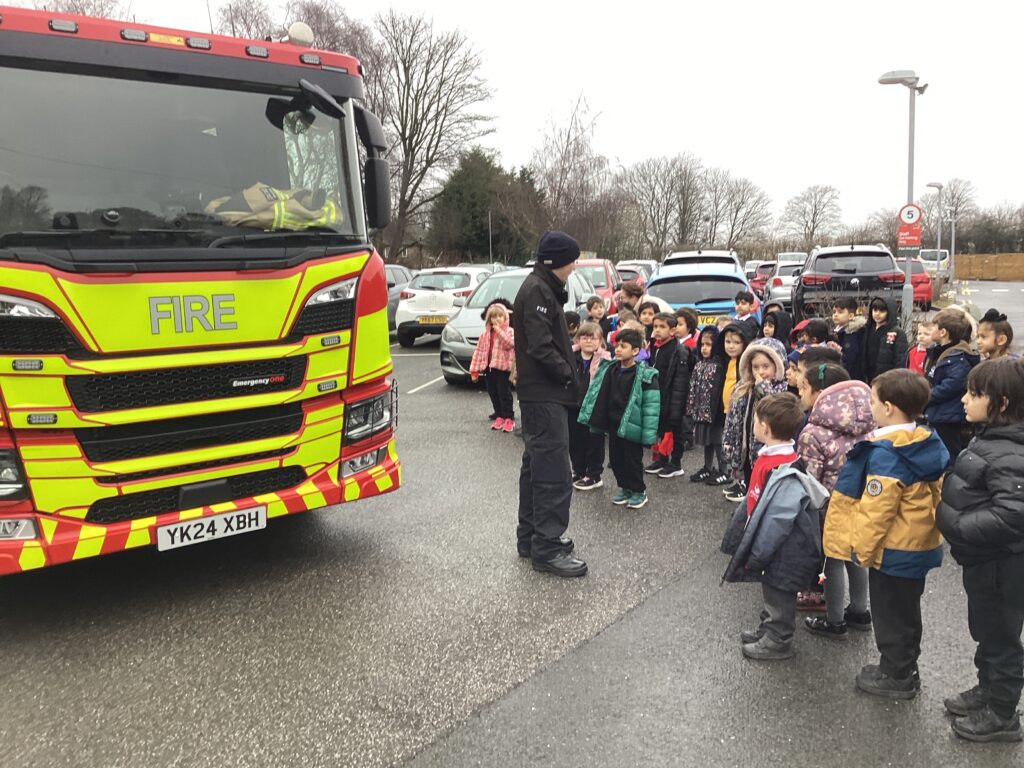
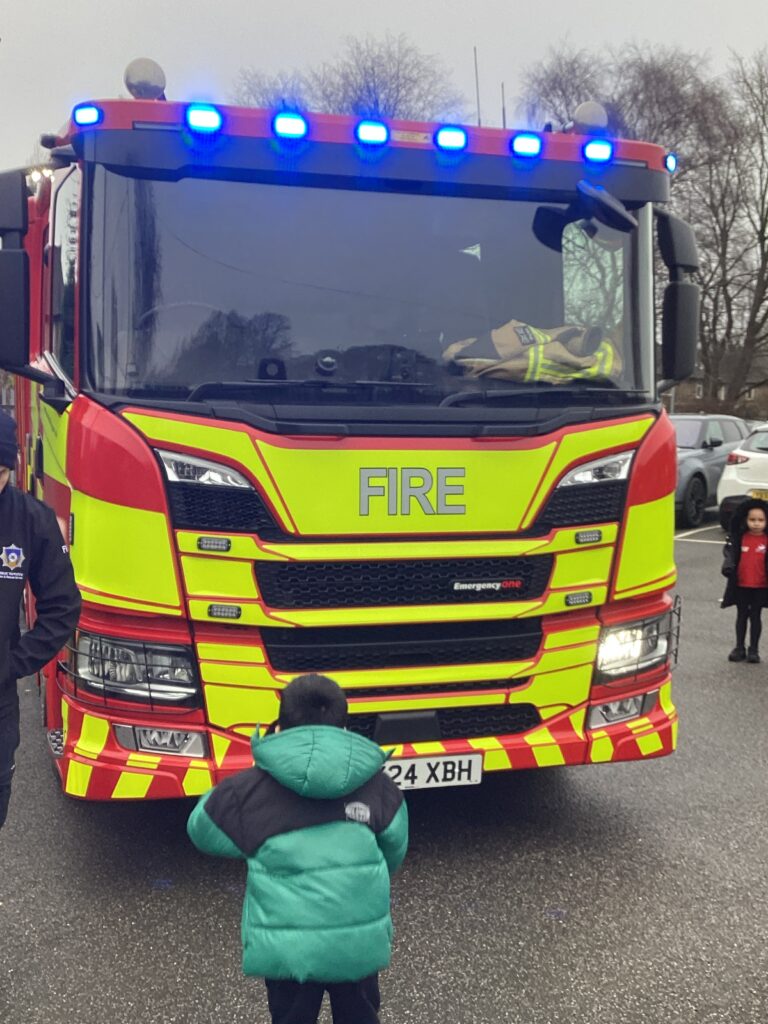
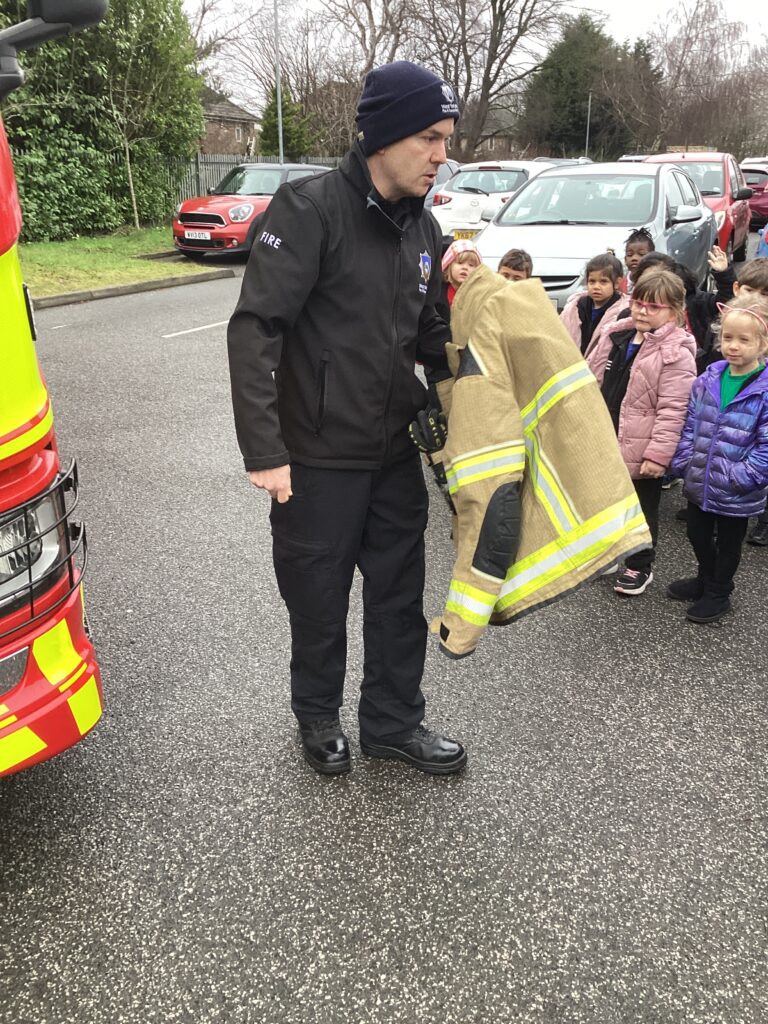
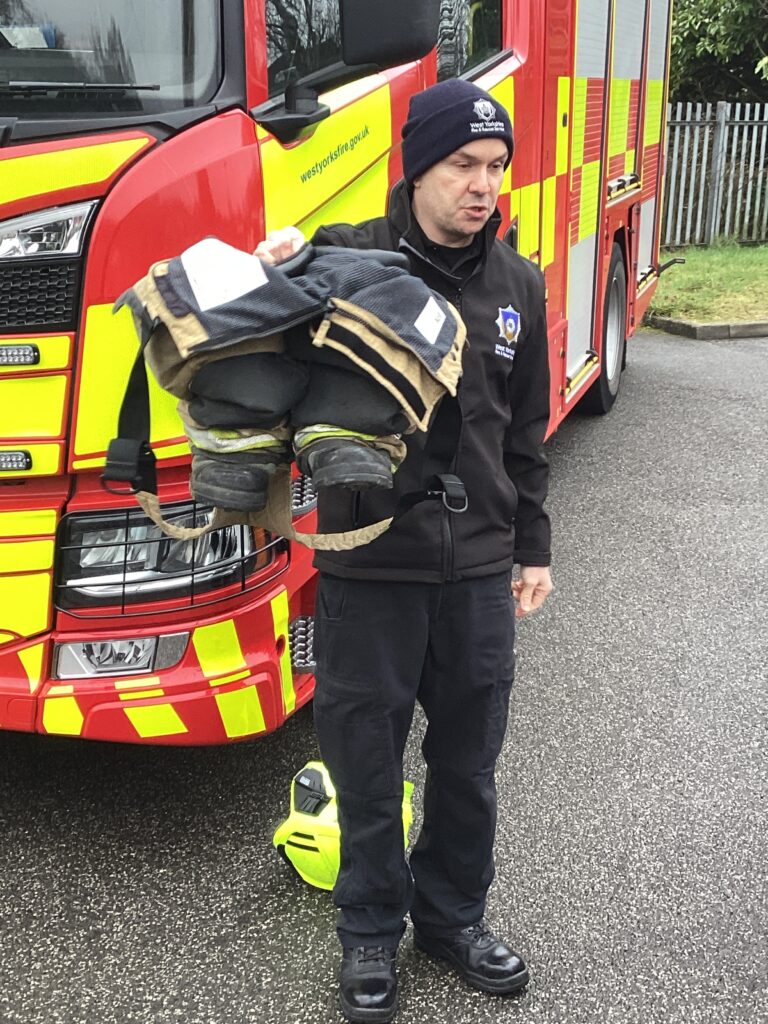
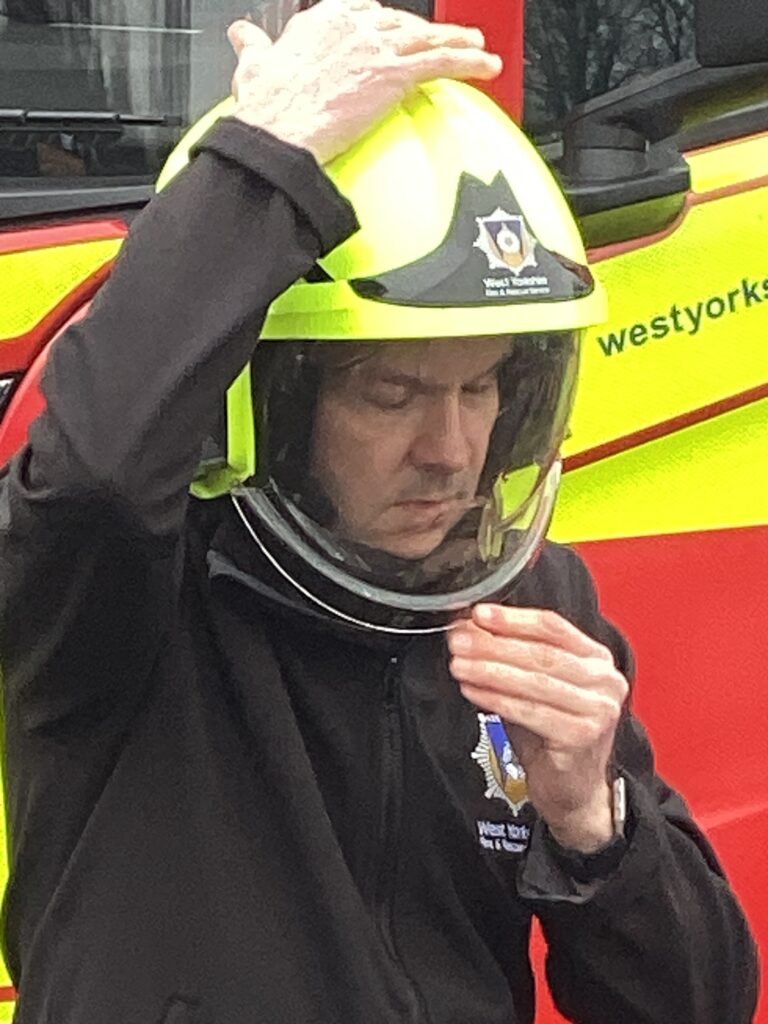
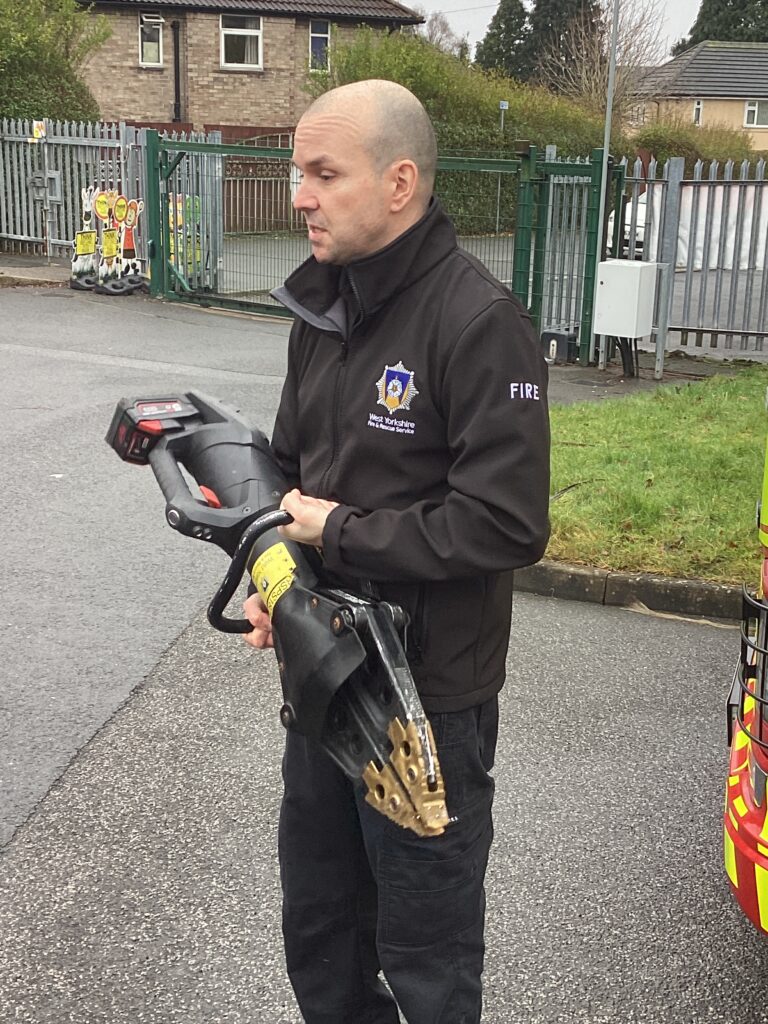
Today, we met firefighter Dan and his bright red fire engine. Moosa flicked on the secret button and the blue lights started to flash. We discovered that the long ladder helps Dan and his friends climb up tall buildings. We noticed that his trousers were attached to his boots, which makes them faster to put on in an emergency. His helmet has a strong visor to protect his eyes and face. He explained that, as well as rescuing people from fires, firefighters also rescue people when they are trapped in cars. Can the children show you which piece of equipment is used for opening cars up?
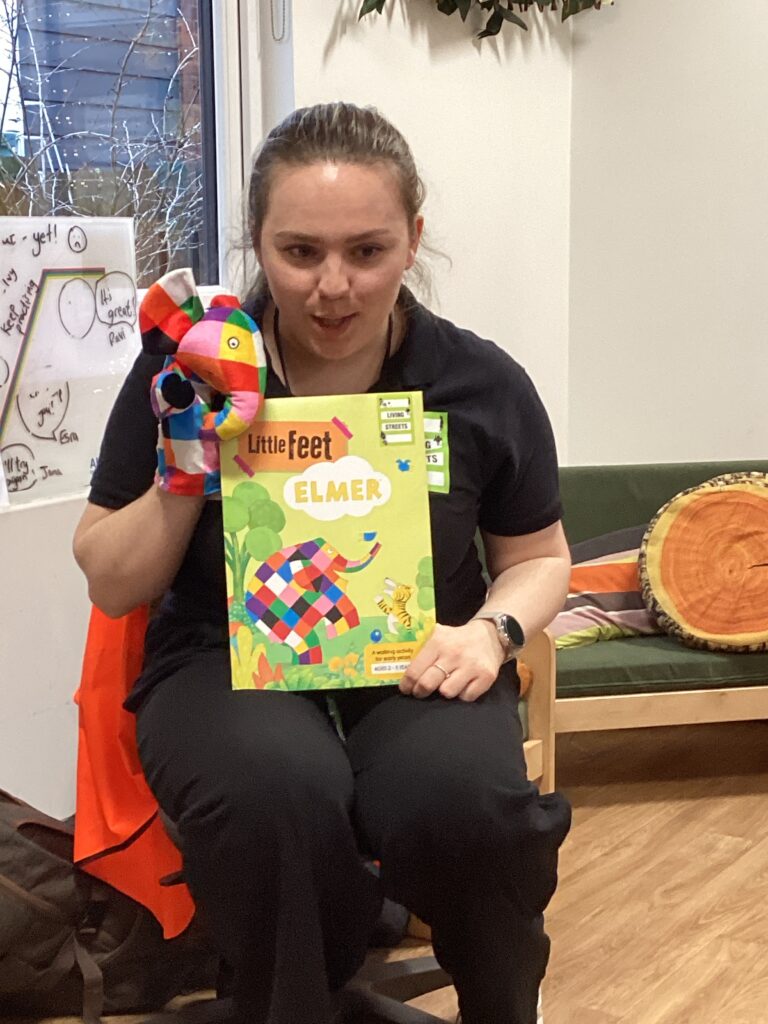
Little Feet
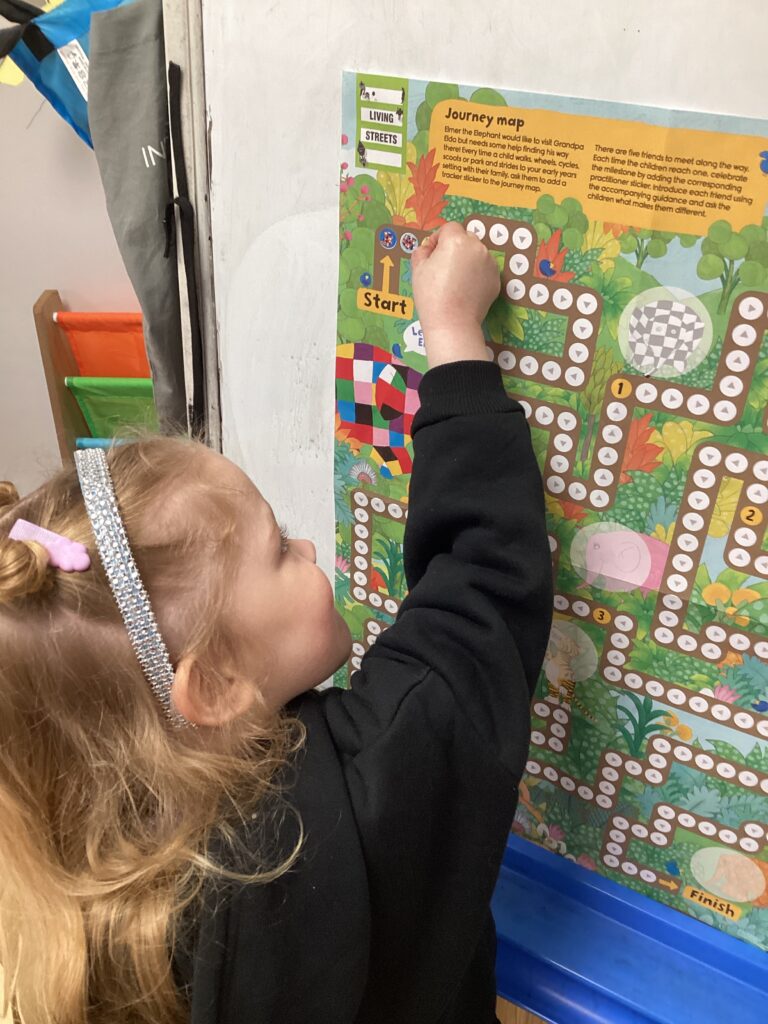
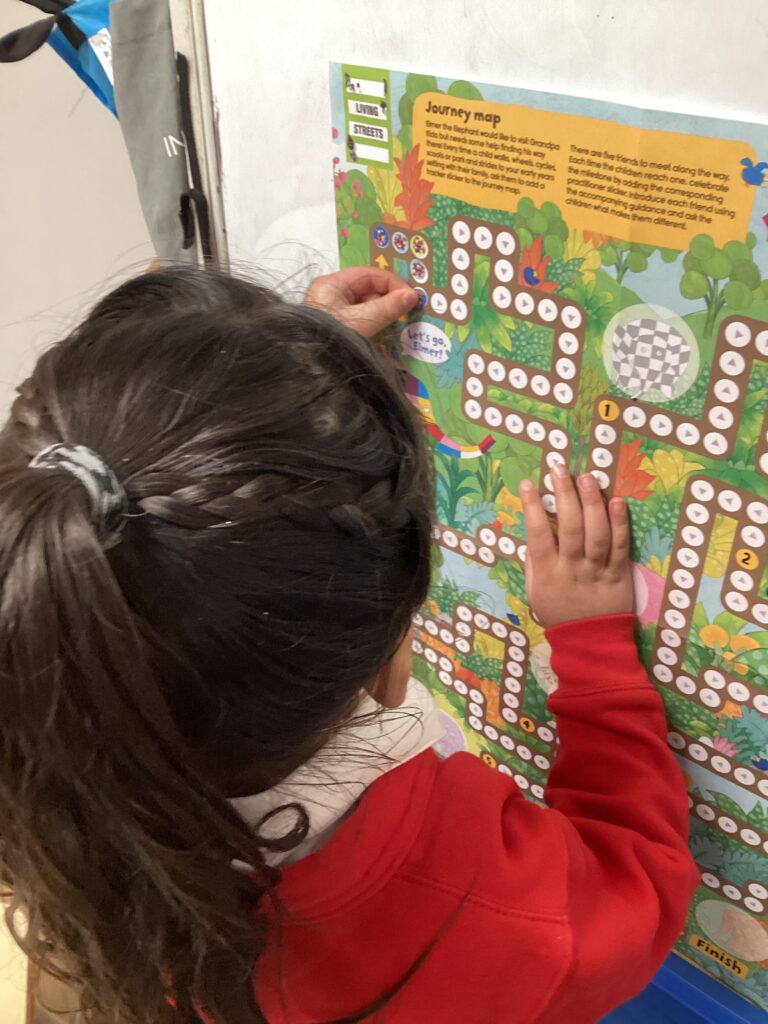
Courtney joined us with her Elmer puppet to introduce us to the Little Feet initiative, which is designed to encourage us to walk and wheel more often. Courtney posed the question of why it is good to move our feet. “It gives us exercise.” Well done, Evie! We showed Elmer our muscles and talked about how, as well as being good for our bodies and minds to start the day with a walk, cycle or scoot, it is also good for the environment: reducing smelly pollution near school. Elmer loves to walk to school as it gives him the opportunity to notice the nature all around him. Courtney encouraged us to take care when we come across roads on our walk to school: we should stop, look both ways and listen for traffic before we cross. We need to think, ‘Is it safe?’. Which Reception class will make the biggest effort to walk or wheel to school and fill their sticker chart first, completing the Little Feet mission?
Thank you to police community support officers, Sarah and Paul, who talked to the children about how the police help us and answered the what/why/who/where and how questions that we had thought of. We learned that the police van is brightly coloured so that other cars know when to move out of the way. The uniform makes the police look smart and easily identifiable. The boots have protective steel toes caps. Sarah and Paul explained that you cannot have fun in prison, which encourages people to make good choices when they are released. As well as catching criminals, the police also help to direct traffic and educate people. Their main role is to keep us safe. Sarah and Paul promised to come and show us their handcuffs when they are next passing school.
Exploring the police van was fun, especially when the teachers were locked up in the cell and Paul lost the key. We loved listening to the sirens and looking at the lights: can the children tell you out why they do this?
Listening is important because it helps us stay safe, learn new things, and be kind to others.
Imagine you’re crossing a road, and someone says, “Stop, there’s a car coming!” If you listen, you don’t get hurt. That keeps your body safe.
When you listen to your teacher or a grown-up, your brain is offered new ideas, such as how to bake a cake, build interesting models or learn fun songs with actions.
And, when you listen to your friends, they feel happy because they feel like you care about them. Listening is like saying, “You matter to me,” without using words.
We have practised listening carefully to a partner and played (even more) listening games (than usual).
We have also enjoyed listening to Ed Sheeran: our musician of the month. It is so interesting to compare our individual rersponses.
Can you show off your listening skills at home too?
….and, with great excitement, we wore our festive jumpers to school.
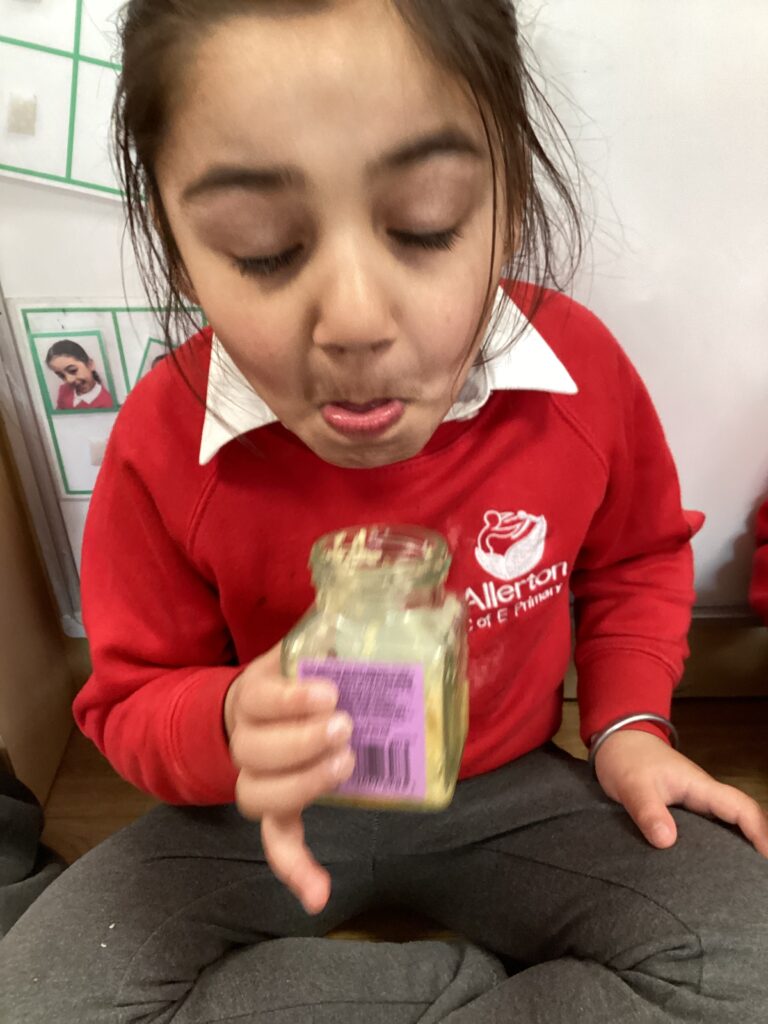
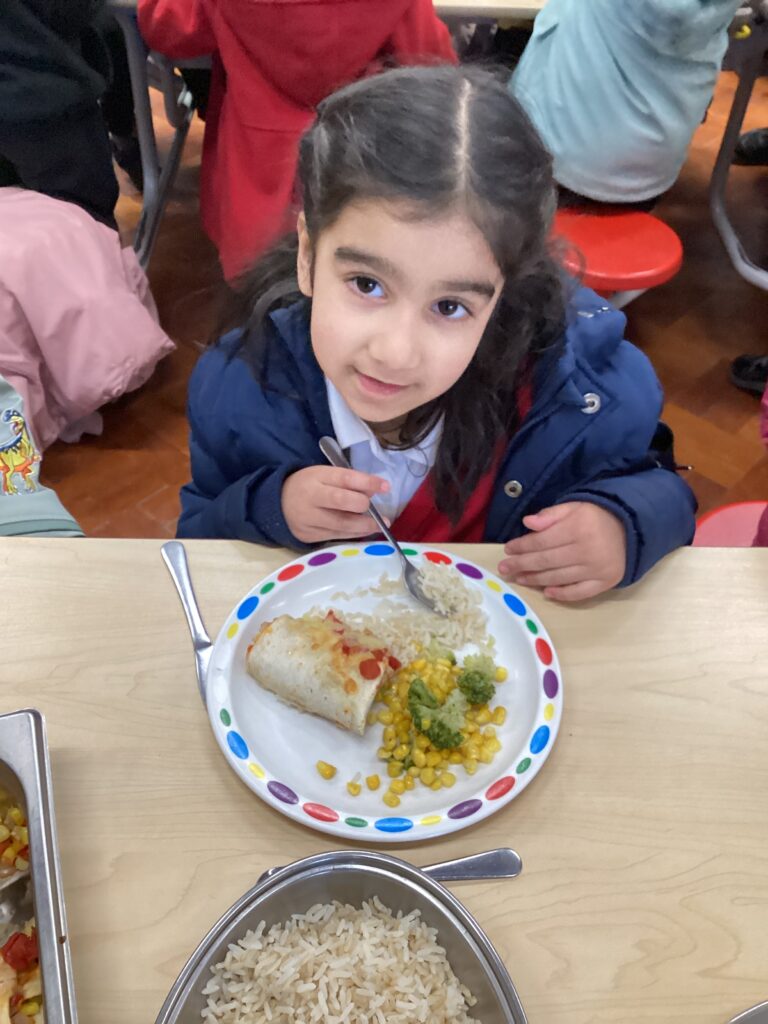
Thank you to the lunchtime team for our delicious Christmas dinner. Stuffing seemed to be a new culinary experience for many of the children but we agreed that it’s always good to try new things!
Making Christingles
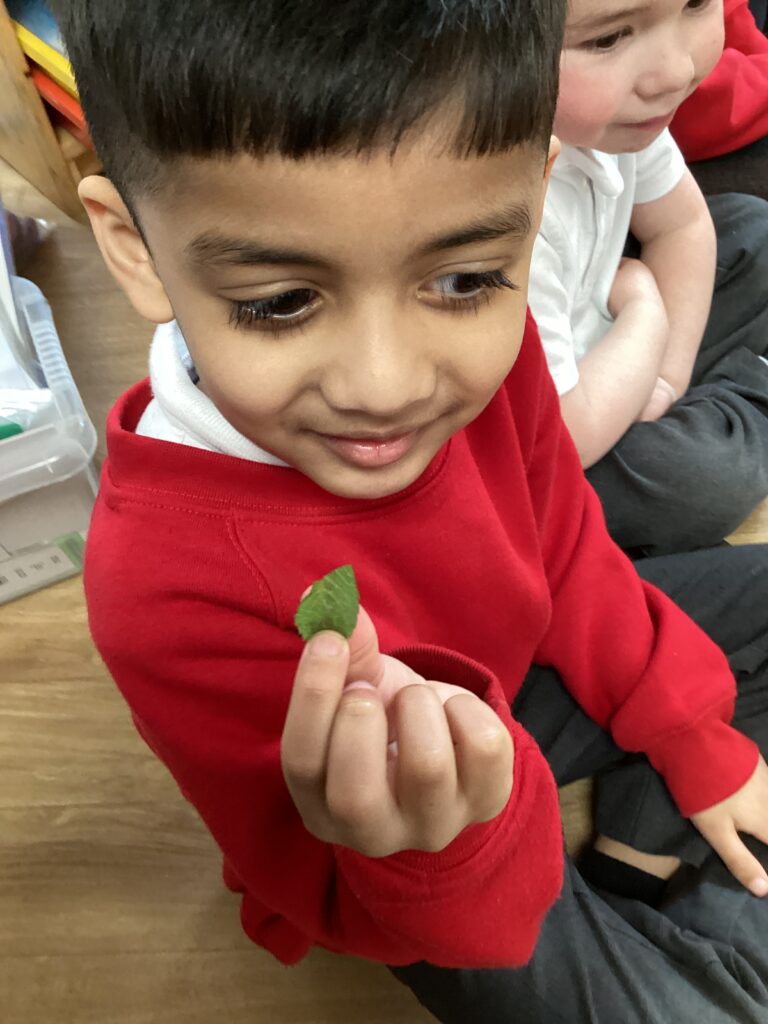
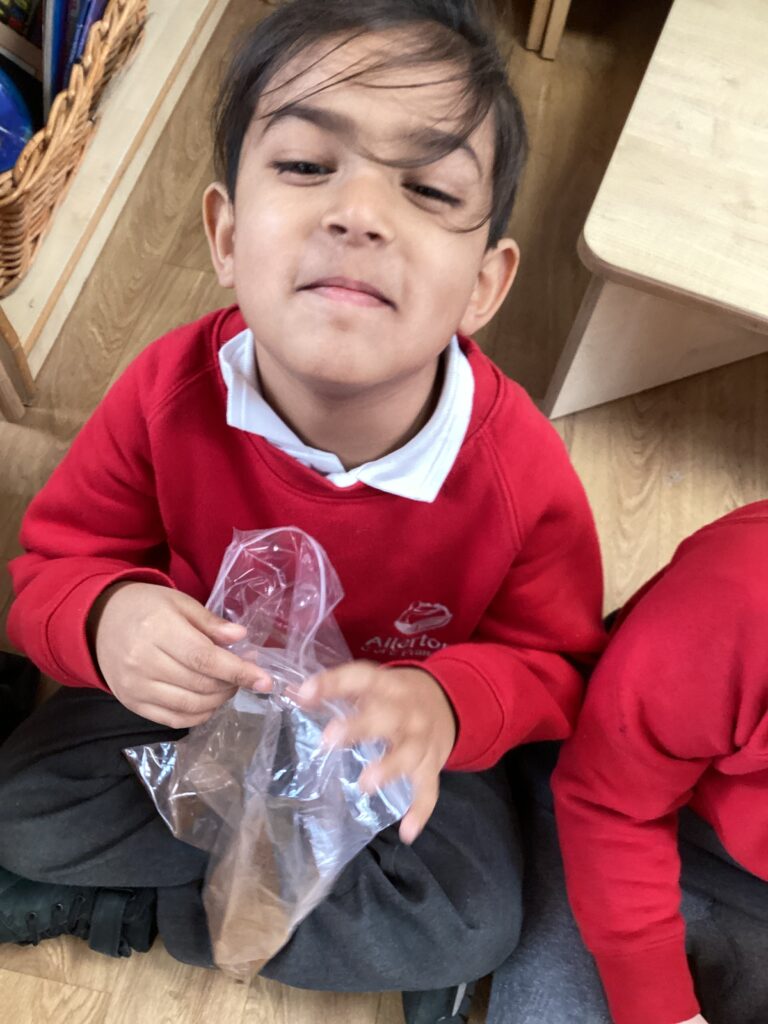
In preparation for our Christingles services on Friday afternoon, the children have been learning about the significance of Christingles. Some Christians believe that the orange represents the world, the raisins on sticks reflect the four seasons and the fruits of creation. Red tape represents the love of God. Jesus, the light of the world, shines through the candle.
We are very grateful for all of the festive messages you have sent in and wish you and your families the most magical of Christmases.